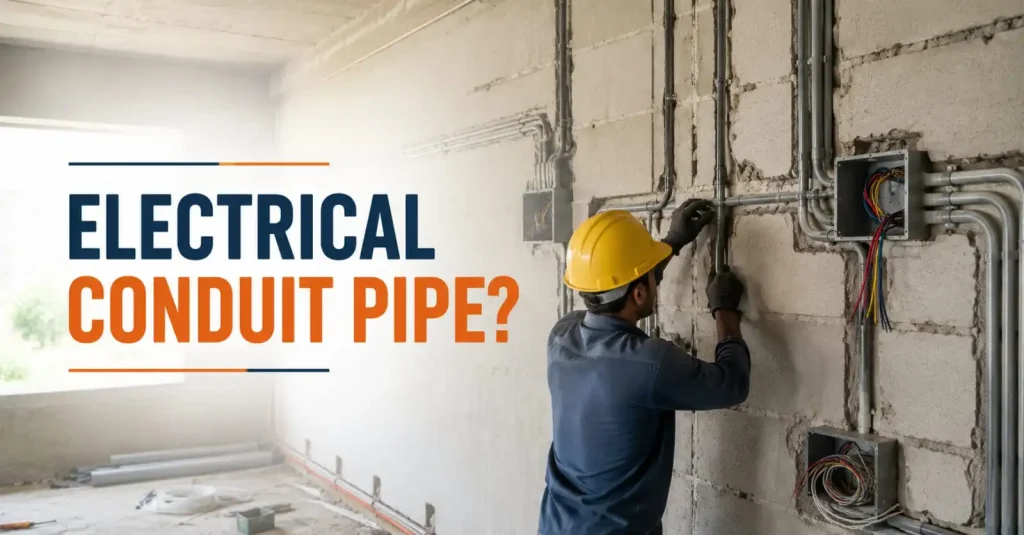
Every appliance that powers depends on electrical wire that hides inside the walls. These wires carry electricity throughout the building. It is necessary to protect these wires as they are concealed for decades. This is where an electrical conduit pipe comes into play. A conduit pipe covers electrical wires and cables. There are different types of electrical conduit tubes. Modern homes often prefer them because they not only prevent physical damage but also reduce exposure to moisture and chemicals.
Read on this blog post to know the electrical conduit pipe price and types in detail.
What Are the Common Uses of Electrical Conduit Pipe?
An electrical conduit pipe is an essential part of an electrical infrastructure. Every modern construction project relies on an electrical conduit system. Some of the common applications are as follows:
- Residential homes
- Apartments
- Commercial buildings
- Schools
- Hospitals
- Factories
- Warehouses
- Infrastructure projects
What Are the Benefits of Electrical Conduit Pipes?
Given below are the benefits of conduit pipes:
- Enhanced Safety
Electrical wires are vulnerable to various external factors. Thus, the insulation around the wires can deteriorate over time without a protective conduit. This increases the risk of electrical faults. An electrical conduit creates a physical barrier that protects wiring.
- Longer Cable Life
Electrical cables can survive for decades if they are protected from harsh environmental conditions. An electrical conduit pipe protects cables from exposure to sunlight and excessive moisture. Hence, it makes cables more durable and lasts longer.
- Easy Maintenance
It is necessary to replace a damaged cable inside a finished wall. However, you need to break tiles or cut plaster if the cables are without conduit pipes. This is why modern homeowners install electrical conduit pipe, as it allows electricians to replace damaged wires easily through the existing conduit.
- Better Electrical Safety
Electrical safety is one of the biggest reasons for using conduit systems in modern buildings. Improper insulation exposes live conductors. Hence, it increases the risk of electrical shocks and short circuits.
What Are the Different Types of Electrical Conduit Pipe?
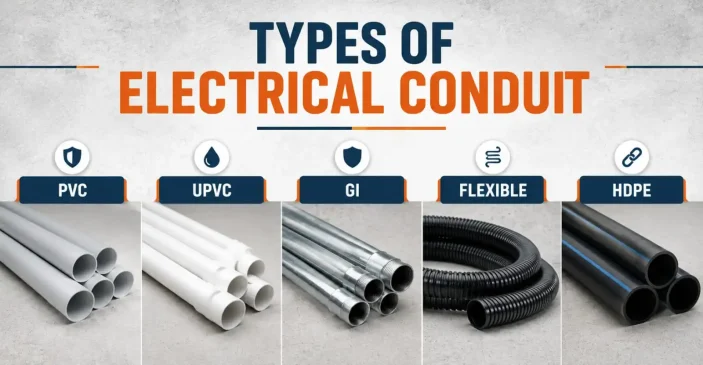
The table below highlights the features and uses of different types of electrical conduit pipe:
| Type of Conduit Pipe | Material | Common Uses | Benefits |
| PVC Conduit | Polyvinyl Chloride | Residential buildings | Lightweight and corrosion-resistant |
| UPVC Conduit | Non-plastic PVC | Concealed wiring | Higher strength and durability |
| GI Conduit | Galvanised Iron | Industrial buildings | Superior mechanical protection |
| Flexible Conduit | Plastic or metal | Machinery or HVAC | Easy to install around bends |
| HDPE Conduit | High-density polyethylene | Underground cables | Resist moisture |
What Is the Process to Install an Electrical Conduit Pipe?
Given below is the step-by-step guide to install an electrical conduit pipe:
- Plan the Electrical Layout
The first step is to prepare a proper electrical layout that highlights the following:
- Location of switches
- Lighting points
- Distribution boards
- Major appliances
The advanced layout helps you minimize extra bends. What’s more? It helps you reduce the wastage of material.
- Choose the Conduit Size Accurately
The conduit should be large enough to manage all the cables efficiently. The cable pulling becomes difficult if you fill it beyond its capacity. Thus, it is advisable to leave some spare capacity for future wiring.
- Install the Conduit Securely
It is necessary to fix the conduit firmly before plastering or concrete work. Loose conduits may shift during construction. This leads to misalignment at switch boxes or junction boxes. However, proper support helps you prevent sagging in long conduit runs.
- Minimise Sharp Bends
Every bend creates additional friction when electricians pull cables. Hence, future cable replacement can become difficult due to several bends. This is why electricians use smooth bends and junction boxes to maintain easy cable access.
- Pull the Wires Carefully
Cables are pulled through the conduit using fish tape or draw wire after construction. The electricians might use lubricants to prevent cable damage and ensure long life.
- Test the Electrical System
Electricians perform multiple tests before connecting the power supply. Some of these tests include:
- Insulation resistance test
- Continuity test
- Earthing checks
This is to ensure that wiring is done properly and that it is safe to use the electrical system.
What Are the Factors that Influence Electrical Conduit Pipe Price?
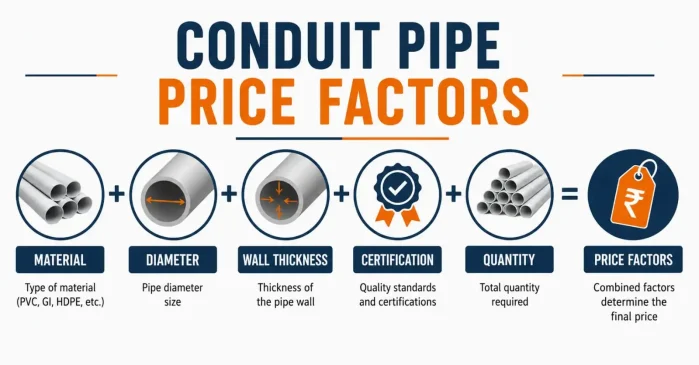
Given below are the factors that affect the electrical conduit pipe price:
- Material of Conduit Pipe
It is one of the biggest factors that affects the cost of electrical conduit pipes. PVC conduits are more affordable than UPVC conduits. But UPVC pipes offer better durability in comparison to PVC conduits.
- Pipe Diameter
The diameter of an electrical conduit pipe directly affects its price. Larger conduits are manufactured using heavy raw materials. Thus, they can accommodate many electrical cables. They are usually more expensive than smaller-sized conduit pipes.
- Wall Thickness
Conduits are available for different wall thicknesses. It depends on the level of protection required by the walls. Heavy-duty conduit pipes have thick walls that help them resist harsh site conditions. They increase the electrical conduit pipe price but offer greater durability.
- Quality Standards
Electrical conduit pipe prices are higher if they are ISI-certified. It helps you ensure that conduit pipes comply with quality and safety standards. Experts recommend buying certified conduits because they provide better reliability and long-term value.
- Quantity Purchased
An individual who buys conduit pipes in bulk may pay a lower per-unit cost. This is because manufacturers and suppliers offer discounts on large volumes. However, it helps you reduce material wastage if you buy conduit pipes in less quantity.
The Final Words
Electrical wiring is a hidden part of the building. Yet it works continuously to ensure a regular power supply at our home. It protects your wire from external factors, such as moisture or corrosion. It is advisable to hire a professional electrician who can help you compare the electrical conduit pipe prices and choose the most suitable type for your home.
FAQs
1. What is the purpose of an electrical conduit pipe?
An electrical conduit pipe protects electrical wires from moisture, dust, impact, corrosion, and heat. It also creates a secure pathway for cables, making maintenance, upgrades, and cable replacement easier while improving the overall safety and lifespan of an electrical system.
2. Which electrical conduit is best for residential buildings?
PVC and UPVC are the best electrical conduit options for homes. They are lightweight, corrosion-resistant, durable, easy to install, and cost-effective, making them ideal for concealed wiring in residential buildings.
3. Can electrical conduit pipes be installed underground?
Yes, electrical conduit pipes such as HDPE and heavy-duty PVC are designed for underground installations. They protect cables from moisture, soil pressure, corrosion, and physical damage, ensuring reliable long-term performance.
4. How does electrical conduit pipe price vary?
The electrical conduit pipe price depends on factors like material, pipe diameter, wall thickness, quality certification, brand, and quantity purchased. Heavy-duty and certified conduits generally cost more due to their higher durability and performance.
5. How long does an electrical conduit pipe last?
A high-quality electrical conduit pipe can last 30 to 50 years or more when installed correctly. Its lifespan depends on the material, installation quality, environmental conditions, and regular maintenance.
6. Is conduit mandatory for electrical wiring?
Building codes vary by region, but using an electrical conduit is strongly recommended for most electrical installations. It improves cable protection, enhances electrical safety, simplifies maintenance, and supports compliance with modern construction standards.