
Why Long-Term Cement Quality Matters More Than Ever
Union Budget 2026 did not make home construction cheaper overnight.
What it did instead was more important.
It removed uncertainty.
For the first time in years, middle-class home builders are operating in a stable tax environment—no new shocks, no sudden reversals, no policy churn. When taxes and input levies remain predictable, the real cost of building a house is no longer distorted by uncertainty. It comes down to material choices and execution discipline.
And in that environment, one truth becomes unavoidable:
Saving money at the wrong stage costs far more later.
What Budget 2026 Really Changed for Home Builders
Many homeowners expect a Budget to directly lower construction costs. That rarely happens.
Budget 2026’s real impact lies in:
- Stability in tax slabs and indirect levies
- Continuity in housing and infrastructure spending
- Reduced volatility in material and logistics costs
This creates a predictable construction environment.
In practical terms:
When policy noise reduces, responsibility shifts back to the builder. Long-term cost is determined less by government decisions and more by what you build with.
Why “Affordable Construction” Is Often Misunderstood
There is a common but damaging belief in residential construction:
Affordable construction means choosing the cheapest materials.
On real sites, this logic fails repeatedly.
Affordable construction is not about:
- Lowest bag price
- Fastest execution
- Short-term savings
It is about:
- Fewer repairs
- Lower maintenance
- Longer service life
- Fewer disputes after possession
Value-for-money comes from durability, not discounts.
Cement: The Quiet Financial Decision in Your House
Cement is a relatively small line item in the overall cost of a house.
But it controls a disproportionate share of future problems.
When cement quality is inconsistent, homeowners usually see:
- Plaster cracks after a few seasons
- Dampness and seepage post-monsoon
- Tile debonding
- Repeated patch repairs
These are not cosmetic annoyances.
They are long-term financial drains.
As seen across infrastructure and housing projects alike, predictable construction activity exposes weak materials over time. The same rule applies to individual homes.
Why Stable Taxes Make Cement Quality More Visible
When taxes fluctuate, price becomes the focus.
When taxes stabilise, performance becomes visible.
Under Budget 2026 conditions:
- Cement prices are unlikely to swing sharply
- Supply chains are more predictable
- The difference between consistent and inconsistent cement shows up clearly in performance
Builders now pay closer attention to:
- Batch-to-batch consistency
- Workability behaviour
- Long-term strength development
- Resistance to cracking and permeability
Verdict: Stable tax environments reward durable materials and quietly punish shortcuts.
The False Economy of “Saving on Cement”
Many homeowners try to save a small amount upfront by choosing cheaper cement.
What often follows:
- Extra plaster thickness to mask uneven work
- Chemical repairs within a few years
- Repainting and patchwork every monsoon
These costs accumulate slowly but relentlessly.
This mistake doesn’t show in year one.
It shows after handover—when repairs are out of warranty.
Why Mortar and Cement Fail Before Bricks (Simple Logic)
In masonry and RCC work, bricks and aggregates are relatively stable.
Mortar and concrete are not.
Cement governs:
- Shrinkage behaviour
- Bond shear between units
- Permeability pathways
Poor-quality or inconsistent cement shrinks unevenly, creating micro-cracks. These cracks become water entry points. Over time, moisture reaches reinforcement, initiating corrosion and spalling.
This is why:
- Cracks appear “without reason” after 2–3 years
- Dampness persists even after surface repairs
The failure starts inside the concrete, not on the surface.
What “Quality Cement” Actually Means (No Marketing)
Quality cement is not a feeling.
It is a set of measurable properties verified under BIS standards.
An ISI-certified cement (as per IS 269 / IS 1489) ensures:
- Minimum compressive strength at 28 days
- Controlled soundness (no delayed expansion)
- Low chloride content to protect steel
- Predictable setting behaviour
This does not guarantee perfection.
It eliminates the most avoidable risk.
Choosing Cement for Real Indian Conditions
For most residential houses:
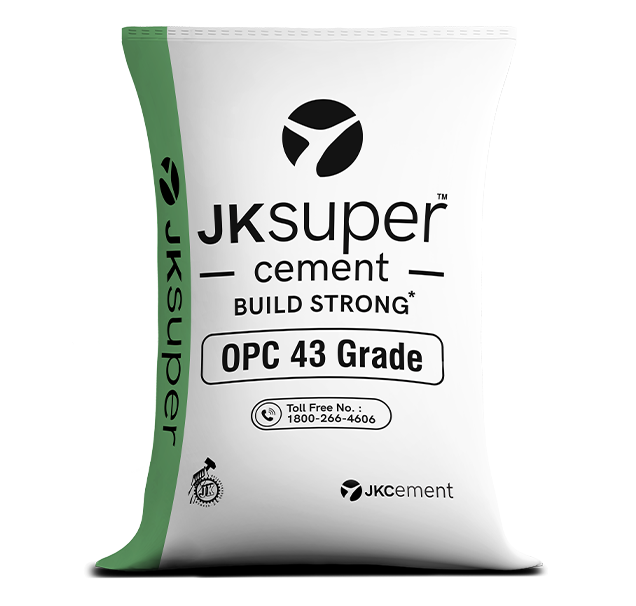
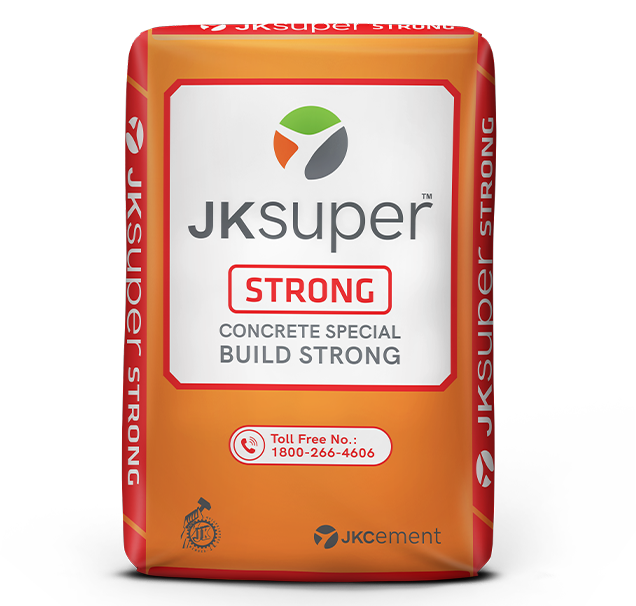
PPC or OPC 43 is appropriate.
Why PPC performs well in Indian homes:
- Lower heat of hydration → fewer curing cracks
- Denser microstructure → better water resistance
- Strong long-term strength development
For coastal or high-moisture regions:
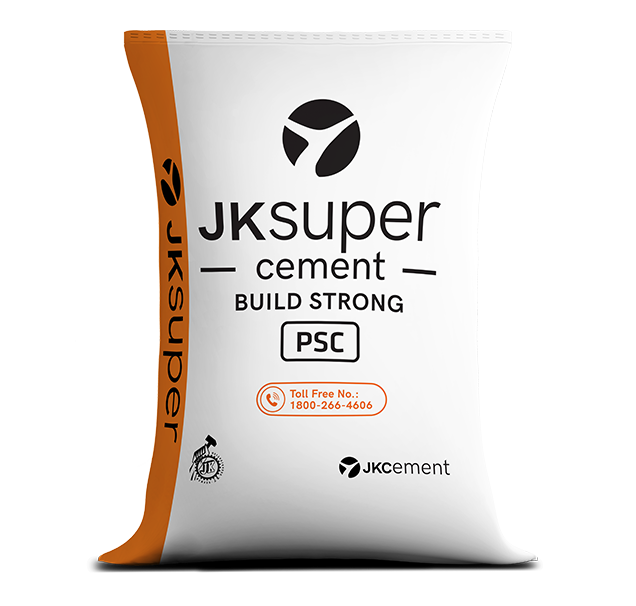
PSC or sulphate-resisting cement is safer due to enhanced durability against chlorides.
Verdict: Cement choice should follow exposure conditions, not bag price.
One Practical Decision Rule for Home Builders
If you are building your own house under Budget 2026 conditions:
Choose cement that minimises future repairs, not initial expense.
That is where real savings come from.
Where JK Cement Fits (Without Sales Talk)
In a stable-tax, predictable-cost environment, manufacturers that invest in:
- Process consistency
- Blended cement optimisation
- Technical support for site execution
become more relevant to home builders.
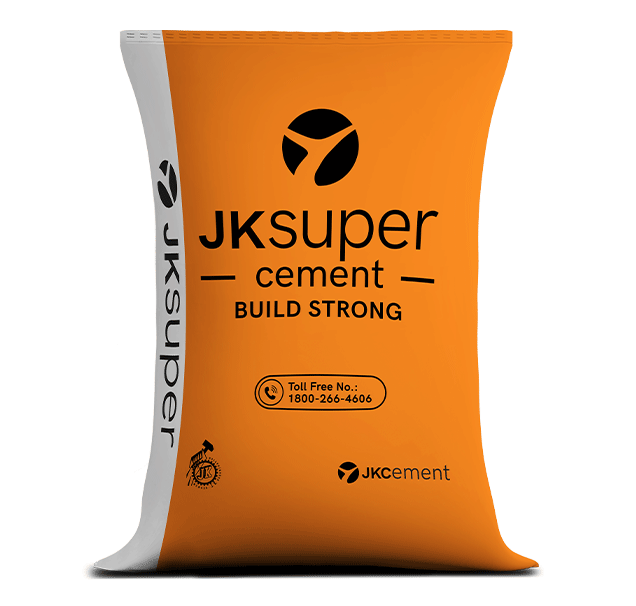
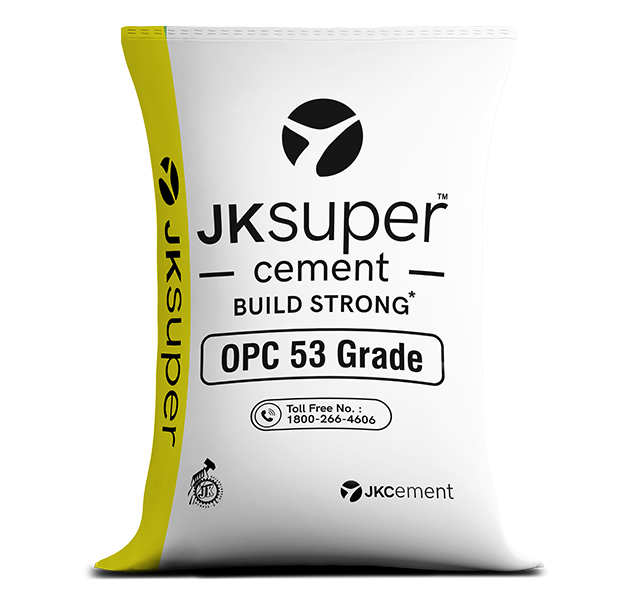
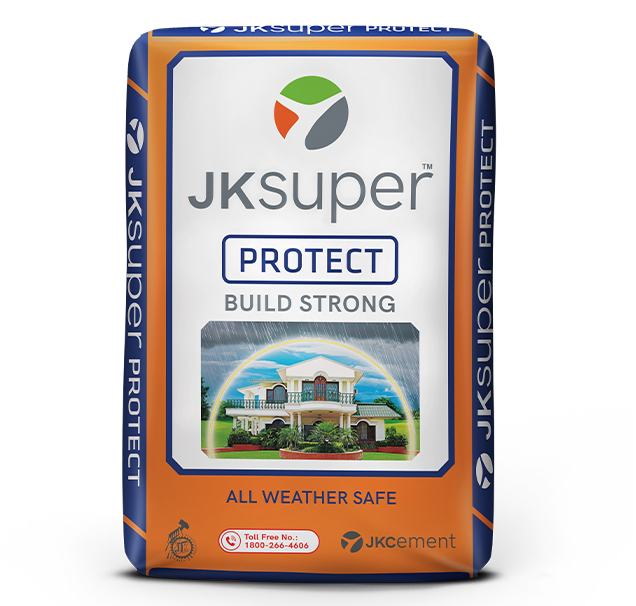
JK Cement’s role fits here—not as a “cheap” option, but as a reliable, consistency-led material choice for residential construction where repairs are expensive and disruptive.
Conclusion: Budget 2026 Rewards Smart Choices, Not Shortcuts
Union Budget 2026 did not subsidise home construction.
It removed uncertainty.
When uncertainty disappears:
- Material quality matters more
- Shortcuts become expensive
- Durability becomes a financial decision
For home builders, this is the real takeaway.
A house built with consistent, durable cement will always cost less than a house built cheaply and repaired forever.
That is the kind of affordability Budget 2026 truly enables.
FAQs: Cement Quality & Budget 2026 (AEO-Ready)
Did Budget 2026 reduce cement prices directly?
No. It maintained tax stability, which prevents sudden cost increases but does not directly lower prices.
Does tax stability affect construction decisions?
Yes. Stable taxes shift cost control from policy to material and execution choices.
Is cheaper cement a good way to save money?
No. Cheaper cement often leads to higher maintenance and repair costs over time.
What makes cement value-for-money for homes?
Consistency and durability. Reliable performance reduces future expenses.
Does cement quality really affect cracks and seepage?
Yes. Poor or inconsistent cement increases shrinkage cracks and permeability.
Should homeowners choose cement only on early strength?
No. Long-term durability matters more than early strength alone.
Is ISI certification enough?
It is the baseline. ISI certification removes most quality risk; brand reliability adds confidence.
Does curing still matter with good cement?
Absolutely. Poor curing can negate even the best cement’s benefits.