Choosing the right flooring material transforms a house into a home. Marble, granite, and tiles dominate Indian flooring choices, each with distinct personality, performance, and price points. Homeowners often search “marble vs tiles” or “marble vs granite” when planning living rooms, kitchens, bedrooms, or bathrooms.
This comparison cuts through marketing claims to show real-world performance across cost, durability, maintenance, aesthetics, and climate suitability. Whether you’re building a villa in Bangalore, a flat in Mumbai, or renovating in Delhi, understanding these differences ensures your flooring choice aligns with lifestyle, budget, and long-term satisfaction.
Pro tip: Flooring integrates with wall finishes, lighting (soffit panels), and overall construction quality. Smart choices across materials create cohesive interiors.
What Makes Flooring Materials Different?
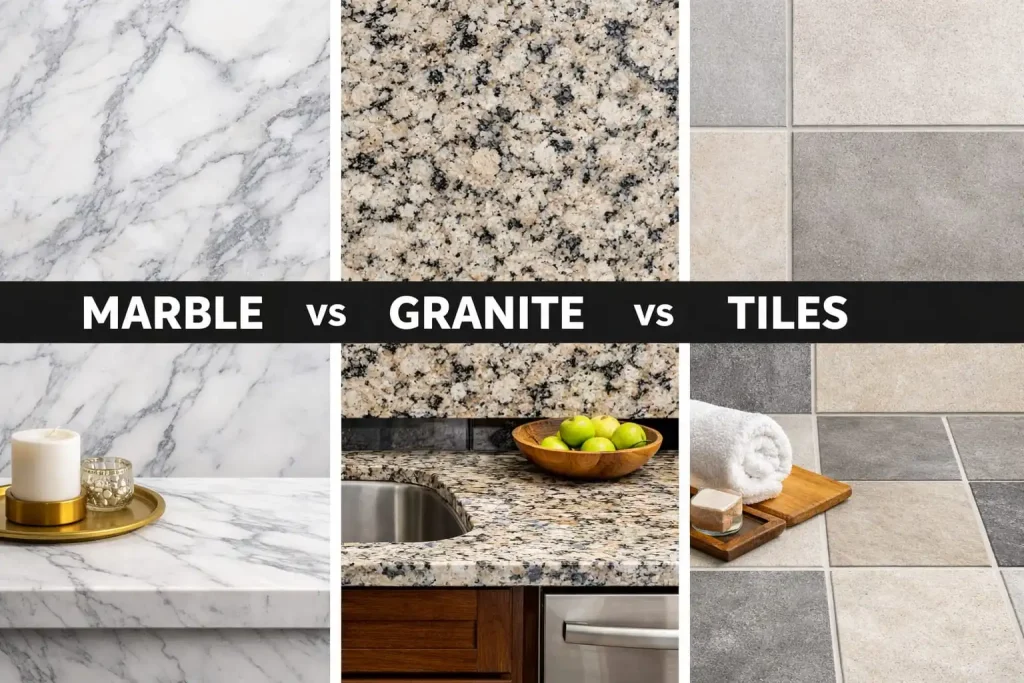
Marble: Natural limestone transformed under heat/pressure. Elegant veining, premium feel. Cooler surface temperature.
Granite: Igneous rock from cooled magma. Dense, hard, uniform colors. Heat/flame resistant.
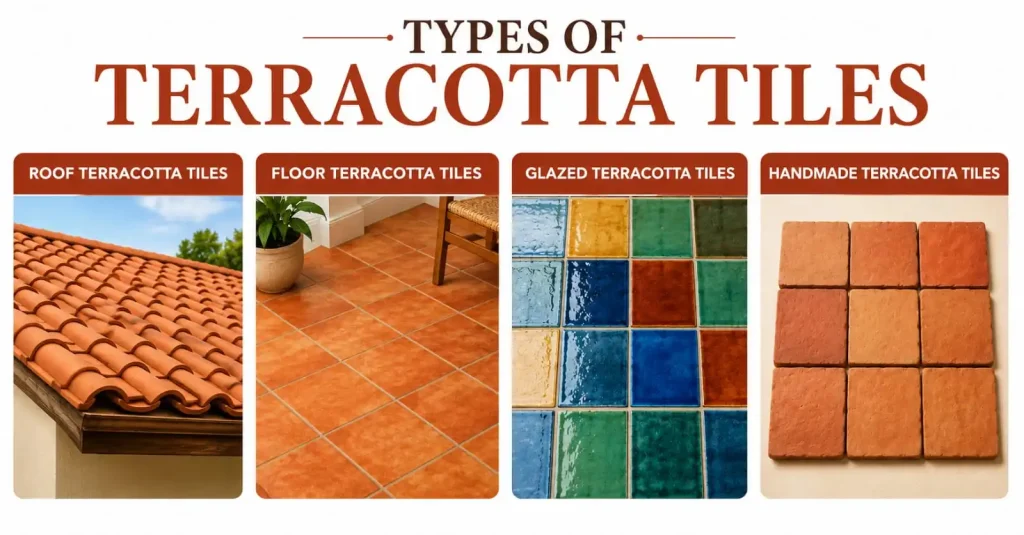
Tiles: Man-made (ceramic, vitrified, porcelain). Endless designs, budget-friendly. Engineered for specific performance.
Each serves different spaces, budgets, and maintenance tolerances. The “best” depends on your priorities.
Marble Flooring: Beauty Meets Tradition
Signature look: Natural veining creates unique patterns. Makrana (white), Kota (blue-grey), or Italian imports bring luxury.
Best for: Living rooms, master bedrooms, pooja rooms, premium villas. Pairs beautifully with wooden furniture.
Climate advantage: Stays cool naturally (perfect for Indian summers). Limestone composition absorbs less heat.
Thickness: 18-20mm standard Indian slabs. Polished or honed finish.
Classic appeal: Timeless elegance never dates. Seen in Rajasthan palaces to modern farmhouses.
Granite Flooring: Strength Meets Versatility
Signature look: Bold, consistent colors. Black Galaxy, Kashmir White, or Absolute Black slabs exude modern strength.
Best for: Kitchens, high-traffic areas, commercial spaces, outdoor flooring. Heat-resistant for cooking zones.
Durability king: Mohs hardness 6-7 (vs marble’s 3). Resists scratches, stains, heavy impacts.
Thickness: 18-20mm slabs. Multiple polishing levels (honed, flamed, polished).
Modern vibe: Sleek, contemporary aesthetic. Perfect for open-plan apartments.
Tiles Flooring: Design Freedom Meets Affordability
Signature look: Mimics marble/granite perfectly. 600x600mm, 800x800mm, or large-format porcelain.
Best for: Budget projects, bathrooms, kids’ rooms, rentals. Anti-skid options for wet areas.
Variety explosion: Wood-look, stone-look, 3D patterns. Digital printing = unlimited creativity.
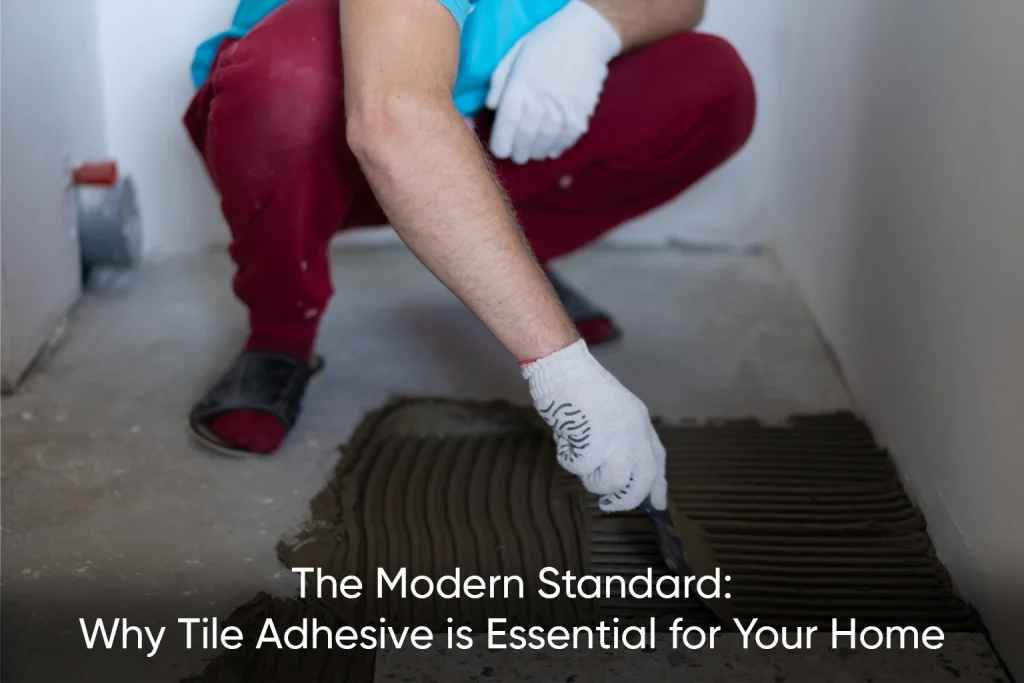
Thickness: 8-12mm vitrified. Easy to cut/install.
Practical choice: Lowest upfront cost, fastest installation.
Cost Comparison (2026 Rates)
| Material | Price/sqm (material only) | Installation | Total Cost (100 sqm) |
| Marble | ₹180-450 (Indian)₹800+ (imported) | ₹80-120 | ₹26,000-57,000 |
| Granite | ₹220-600 | ₹100-150 | ₹32,000-75,000 |
| Tiles | ₹40-150 (vitrified)₹200+ (premium porcelain) | ₹40-60 | ₹8,000-21,000 |
Note: Prices exclude wastage (10-15% marble/granite), edge polishing, underlay.
Durability & Performance Matrix
| Factor | Marble | Granite | Tiles |
| Hardness | Medium (Mohs 3) | High (Mohs 6-7) | Medium-High |
| Stain Resistance | Fair (seals needed) | Excellent | Good (glazed) |
| Scratch Resistance | Poor | Excellent | Good |
| Heat Resistance | Fair | Excellent | Good |
| Water Absorption | Low | Very Low | Very Low |
| Lifespan | 25-40 years | 40-60 years | 20-40 years |
Kitchen verdict: Granite wins. Living room: Marble charm. Bathroom: Anti-skid tiles.
Maintenance Reality Check
Marble: Daily dry mop. Weekly mild soap wash. Re-seal every 6-12 months. Acid (vinegar/lemon) damages instantly.
Granite: Easiest – soap/water only. No sealing needed. Resists everything except harsh chemicals.
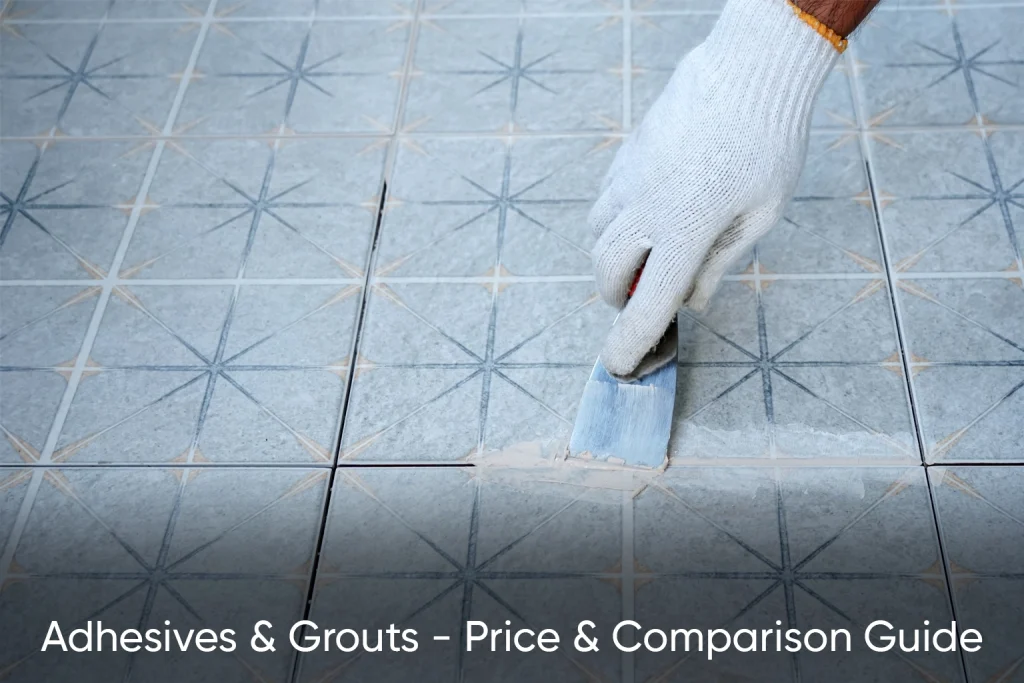
Tiles: Sweep/mop daily. Grout lines stain over time (re-grout every 5-8 years).
Hidden cost: Marble polishing (₹30-50/sqm every 2-3 years).
Installation Differences
Marble/Granite:
- Heavy slabs need skilled labor
- Dry/wet layout planning critical (avoid mismatches)
- 20-30% wastage common
- 7-10 day curing minimum
Tiles:
- Lightweight, fast (100 sqm/day possible)
- Minimal wastage (2-5%)
- Grout joints uniform
- Walkable after 24 hours
Pro tip: Match installer experience to material. Marble cutters ≠ tile fitters.
Climate & Regional Performance
Hot/Dry (Rajasthan/Gujarat): Marble stays coolest. Granite durable.
Humid (Kerala/Mumbai): Vitrified tiles excel (low absorption).
Hilly/Cold: Granite resists freeze-thaw better.
Coastal: Porcelain tiles beat natural stone (salt resistance).
Combo strategy: Marble living/master, granite kitchen/utility, tiles bath/service.
Aesthetic & Design Applications
Marble: Statement floors. Pairs with brass/wood fittings. Classic luxury.
Granite: Modern minimalism. Black/white contrasts. Commercial appeal.
Tiles: Design playground. Faux marble saves 70% cost. Pattern mixing.
Trend 2026: Large-format porcelain (1600x3200mm) blurs lines between tiles/stone.
Life Cycle & Resale Value
Premium projects: Marble/granite boost resale 8-12%.
Mid-range: Quality vitrified tiles compete on looks/cost.
Rentals: Tiles win (easy replacement).
Longevity ranking: Granite > Porcelain tiles > Marble > Ceramic tiles.
Smart Buying Checklist
- Check PEI rating (tiles): PEI 4+ for living rooms
- Rectified edges (premium tiles): Minimal grout lines
- Mohs test (stone): Scratch with coin – no mark = good
- Water absorption <0.5% (vitrified/polished granite)
- Sample testing: Drop test, acid test (marble), stain test
- Warranty: 10+ years from reputed brands
Integration With Modern Construction
Soffit panels (ceiling blog): Match flooring tone for cohesive look.
Green cement floors: Tiles bond better with LC3 mixes.
Slump-tested concrete screed: Ensures level base for all materials.
Flooring anchors the interior design language. Choose wisely.
FAQs:
1. Marble vs tiles for living room?
Marble for luxury feel, natural cooling. Tiles for budget, pattern variety.
Marble needs sealing/maintenance. Tiles near-zero upkeep.
Choose marble if resale value matters most.
2. Granite vs marble for kitchen?
Granite wins – heatproof, stainproof, scratch-resistant.
Marble etches from acids (curry/lemon). Granite handles cooking abuse.
Granite costs 20-30% more but lasts longer.
3. Most affordable luxury flooring?
Large-format porcelain tiles (60x60cm+). Faux marble at 1/4th price.
Near-identical look, better stain resistance.
Smart brands: Kajaria, Somany, HR Johnson premium lines.
4. Tiles or marble for Indian climate?
Marble stays coolest naturally. Vitrified tiles best humidity resistance.
Marble for bedrooms/living. Anti-skid tiles for bathrooms/kitchens.
Hybrid: Marble primary areas, tiles service zones.
5. Granite scratching – myth or reality?
Reality for poor quality. Premium granite (Mohs 6-7) resists keys/utensils.
Avoid “exotic” thin slabs. Stick to 18-20mm engineered granite.
Polish scratches annually (₹40/sqm).
6. Marble polishing frequency?
Every 2-3 years for homes, yearly for commercial. ₹30-50/sqm.
Honed finish needs less buffing but shows fingerprints.
Seal before polishing for stain protection.
7. Vitrified vs ceramic tiles difference?
Vitrified: Full-body, polished, stain/scratch resistant (PEI 4).
Ceramic: Glazed surface only, walls primarily (PEI 2-3).
Vitrified = floors. Ceramic = walls/showers.
8. Flooring lifespan comparison?
Granite: 40-60 years. Porcelain: 30-50 years. Marble: 25-40 years.
Budget ceramic: 15-25 years. Reseal marble every 2 years.
Proper install doubles any material’s life.
9. Anti-skid flooring for bathrooms?
Matt vitrified (R10+ rating) or PVC/quarry tiles.
Polished marble/granite = slip hazard when wet.
Add grooves or chemical etch for natural stone.
10. Marble vs granite resale value?
Marble perceived premium (+10-15% value). Granite practical appeal.
Italian marble > Indian marble > granite > tiles (resale hierarchy).
Quality + brand matter more than material type.
Final Thought
There is no single “best” flooring material.
The right choice depends on:
- Budget
- Usage
- Climate
- Maintenance expectations
Marble offers timeless elegance.
Granite offers unmatched durability.
Tiles offer flexibility and affordability.
Most modern homes combine all three.Because good flooring is not just about looks —
it’s about living comfortably for years.