When you walk into a home and feel that sense of safety, you rarely think about the roof above your head. Yet, every drop of rain you never see is because someone went through the process of waterproofing before slab casting. Let’s chat about why that step matters and walk through practical waterproofing tips you can apply.
Why Waterproofing Before Slab Casting Is a Big Deal
Think of your RCC roof as a sandwich: the slab is the filling, and waterproofing is the outer crust that keeps moisture out. If the crust is weak, water seeps in, and before you know it, ceilings start leaking, paint bubbles, and steel rebar rusts. Investing in waterproofing early saves you from future headaches and expensive repairs.
1. Clean and Dry the Surface = Foundation of Trust
First things first: your concrete surface must be smooth, clean, and dry. Masons treat it like prepping a canvas before painting. You mop it, sweep it, patch holes, and ensure no dust or moisture is hiding in cracks. Even tiny debris can block waterproofing layers from bonding properly.
Tip: After plastering, sprinkle some water and watch it dribble away. Steady drying in 24–48 hours = ready-to-go under-slab protection.
2. Add a Slope in the RCC Level
Water shouldn’t sit anywhere, right? So, before sealing anything, design your slab with a slight slope – about 1–2%. That keeps rainwater naturally moving towards the drains. No slope? Water pools overnight and becomes the enemy of longevity.
Tip: If you build a flat sandcastle, water rings it in. Add slope, and the waves just lob at the moat, not your structure.
3. Primer and Sealant on the Concrete
Once clean and sloped, the slab needs a primer or cementitious slurry coat. This is a watery mix of cement and water (sometimes with special additives). It seeps into pores and gives a rough key for the waterproofing layer to grab onto.
Skimp on this step and your waterproofing layer becomes a peeling sticker instead of a fused shell.
4. Choose Your Waterproofing Method Wisely
Now comes the fun (and sometimes overwhelming) part: selecting your waterproofing layer. Let’s break it down:
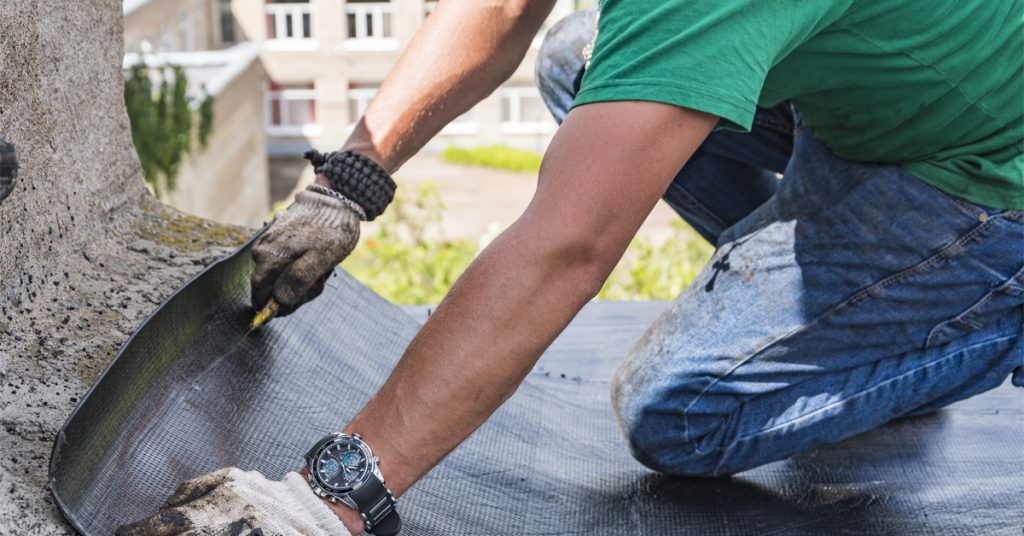
- Bituminous Membranes – Tar-like sheets you torch on. Excellent for long roofs and terraces.
- Liquid Applied Coatings – Think paint that cures into rubber. You roller on cement-based or polymer blends.
- Cementitious Waterproofing – Cement mixed with waterproof powders—brush it or trowel it on. Great under tiles.
- Thermal Insulated Panels – Foam boards with waterproof bonded underneath—not common, but useful in some climates.
5. Pay Special Attention to Joints and Corners
Corners are like the elbows of a body – they get bent, twisted, and tend to wear out. During waterproofing before slab casting, corners, pipe joints, and roof chimneys need extra care.
Tip: Use ready-made corner flashing strips or apply two coats of waterproofing with extra mesh embedded. It’s like doubling up your raincoat in tricky spots.
6. Overlap Everything and Check Thoroughly
Waterproofing sheets or liquid coats must overlap by 10–15 cm wherever they meet. Always follow the product guide. Think of it like tucking in bedsheets—no gaps, no loose ends.
Tip: Once done, do a simple water ponding test: flood a 1 sq. meter section 50 mm deep, let it sit overnight, then check for leaks below (inside the ceiling or waterproof proof rooms). No seepage? You’ve nailed it.
7. Protect the Waterproofing Layer Before Concrete Pouring
After the waterproofing is done and has fully dried, don’t rush into concreting. That layer is delicate – one wrong step can damage it.
Before fixing steel or pouring concrete, cover the surface properly. Use protection boards, a thin screed layer, or geotextile fabric so the membrane stays safe while the next stage of work happens.
Tip: Never let workers walk or place rebar directly on the waterproofing. Once it’s torn or punctured, the whole purpose is lost.
8. Check Surface Readiness Before Pouring RCC
Before you start pouring the RCC slab, inspect the waterproofed area closely. Ensure it is dry, clean, firm and devoid of any dust, oil, or loose patches anywhere. Skipping this step can lead to an unruly surface, which is impossible to fix later.
Tip: This step sounds trivial, but it has a huge impact on the smoothness of the concrete pour.
9. Final Inspection Before You Finish Up
Once the waterproofing is dry and your slab has cured, inspect the surface. The texture should be even, with no cracks or soft spots. Run your hand over it—smooth and firm wins.
Tip: If anything feels off, repair it with a topping coat or patch before tiling or roofing over it.
Why These Waterproofing Tips Matter
Applying waterproofing before slab casting is like wearing sunscreen before stepping out – you won’t see the benefit instantly, but your structure will thank you in years to come. It keeps your home free from leaks, walls healthy, steel rust-free, and the cost of repairs at bay.
Even a small balcony slab, if done right, can stay watertight for decades. Done poorly, and it shows cracks and dampness within months. So treat it with care.
Waterproofing tips are more than a rainy-day fix – they’re your home’s insurance. Take the time, follow the steps, use decent materials, and you will build with confidence. When you feel raindrops outside, your slab stays dry inside, and there’s nothing quite like that peace of mind.
Now you’re prepared to talk to contractors, inspect a job site, and make sure your roof is ready to handle monsoons, heat, and time, without regrets. Because what sits above your head matters, even when you don’t see it.
FAQs
1. Why is waterproofing before slab casting needed?
Waterproofing blocks all gaps and cracks before the slab is poured. It’s a necessity, not an option.
2. What’s a good waterproofing method for flat roofs?
A liquid cement or polymer coating works great. Just add slope, let it dry, and you’re set.
3. Can I skip cleaning the slab before waterproofing?
Nope. You need a clean, dry slab—just like you’d never wallpaper over a dusty wall.
4. How much slope should an RCC slab have?
About 1–2% (10–20 mm drop per metre) keeps rainwater from puddling—barely noticeable but makes a big difference.
5. Do corners and edges need extra waterproofing care?
Yes, corners are leak magnets. Use flashing or extra layers to protect them, like reinforcing shoe soles in the monsoon.
6. How long should waterproofing sit before casting concrete?
Give it 24–48 hours to dry fully. Pour too soon, and you might damage the layer, which defeats the purpose.
7. Should the slab be cured after waterproofing?
Definitely. After pouring, keep it damp for 10–14 days. Think of it like letting dough rest before baking—it helps everything settle strongly.