Gravel is one of those materials everyone has seen but not everyone understands.
If you ask, ‘What is gravel?’ The answer would be: It’s a collection of small stones used to support, drain, and protect surfaces in construction and landscaping. That’s only half the story. The real meaning of gravel lies in what it does: it spreads load, allows water to pass, and creates a stable base where soil alone would fail.
Walk around any construction site in India, and you’ll spot gravel before you see cement or steel.
It sits under floors, between pipes, beneath roads, and along garden paths.
From village roads to modern homes, gravel stone quietly does the heavy lifting under our feet.
Once you know the meaning of gravel, you realise it’s not decorative filler—it’s a workhorse.
This guide breaks down the meaning of gravel, its uses, and how to choose the right type without overthinking it.
What Is Gravel?
The meaning of gravel is simple: a mixture of small, loose stones formed naturally or by crushing larger rocks.
In construction terms, what is gravel becomes more specific:
- Stone pieces between sand and boulders in size
- Usually 2 mm to 65 mm
- Used for strength, drainage, and stability
- A gravel stone can be river-washed, machine-crushed, rounded, or angular. Each shape behaves differently under load and water.
Once you understand the meaning of gravel, you stop treating it as leftover material and start planning it properly.
Types of Gravel You’ll Commonly See
Not all gravel is the same. Choosing the wrong one causes problems later.
1. Crushed Stone Gravel
This is the most common gravel stone used in construction.
- Sharp, angular edges
- Excellent load-bearing capacity
- Locks together well
Used for:
- Foundations
- Driveways
- Concrete mixing
When people ask what gravel in building work is, this is usually it.
2. River Gravel
These are collected from riverbeds.
- Naturally rounded.
- Smooth texture
- Good drainage
- Less interlocking strength
- Often used in landscaping and garden paths rather than in heavy construction.
3. Pea Gravel
They are small, rounded gravel stones.
- Comfortable to walk on
- Decorative
- Limited structural strength
- Best for patios and walkways, not foundations.
4. Quarry Gravel
This is a mix of crushed stone and fine particles.
- Packs tightly
- Strong base material
- Affordable
- Common in rural roads and base layers.
Each type serves a different purpose, which is why understanding the meaning of gravel matters before buying.
Uses of Gravel in Construction and Landscaping
Gravel doesn’t get credit, but it shows up everywhere.
What is gravel really about in construction?
It is about performance in:
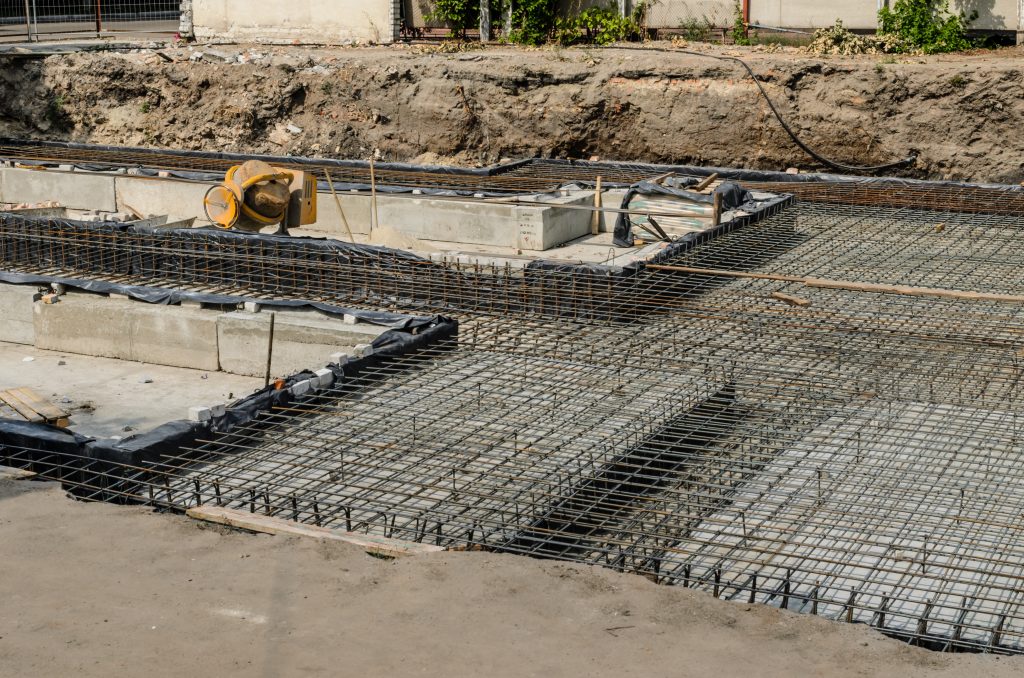
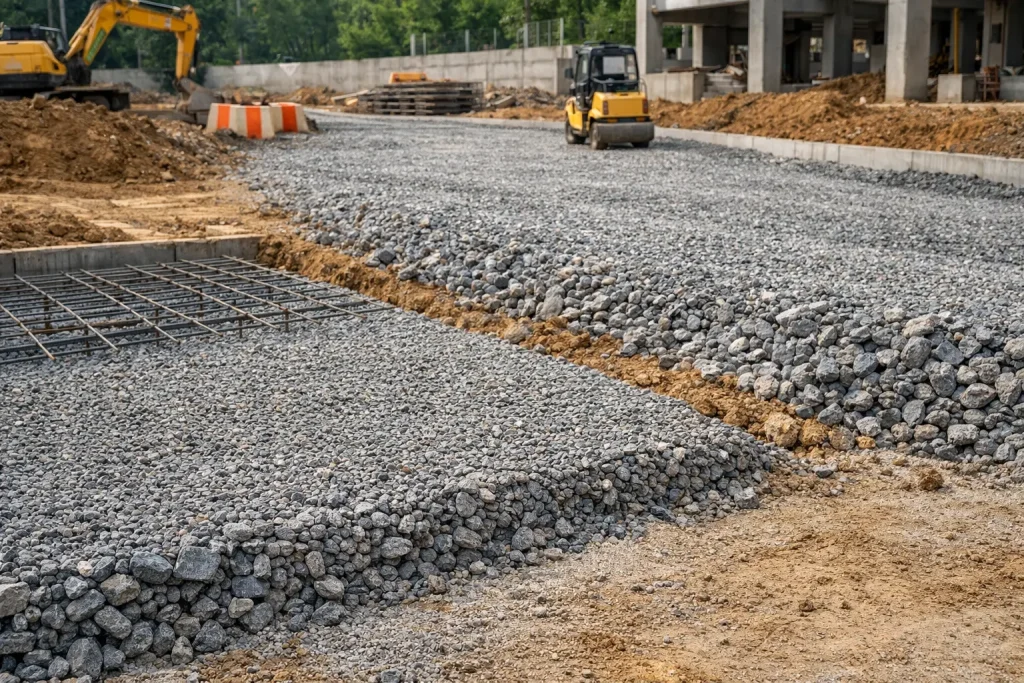
- Foundation base: Gravel spreads the building load evenly
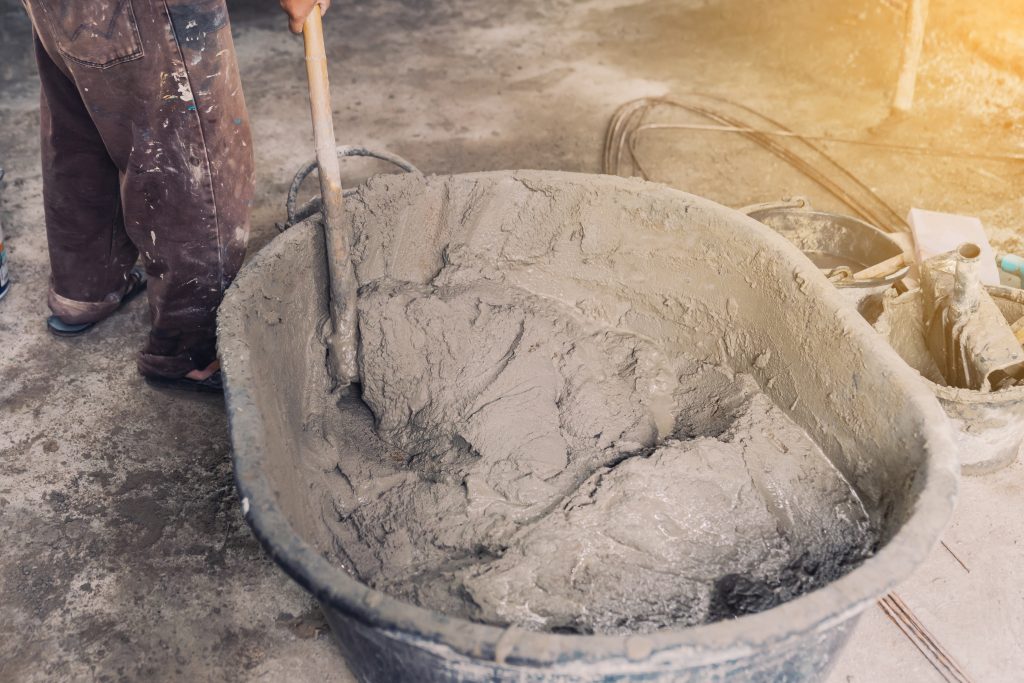
- Concrete mix: Gravel stone adds strength to concrete
- Drainage layers: Prevents water buildup under slabs
- Road construction: Forms strong sub-base layers
Without gravel, concrete alone would crack faster, and roads would sink after monsoons.
If you’re working with concrete, material quality matters. That is why JK Super Cement is recommended for long-lasting durability.
In landscaping, gravel solves everyday problems.
- Garden pathways
- Courtyards
- Terrace gardens
- Around plants for moisture control
- A well-laid gravel path stays usable even during rain.
That’s the practical meaning of gravel in daily life.
How to Select the Right Gravel for Construction
This is where many projects go wrong—not because gravel is bad, but because the wrong type is chosen.
Step 1: Know the Purpose
Ask one simple question: load or looks?
Load-bearing → crushed stone gravel
Decorative → river or pea gravel
Step 2: Check Size
Too small, and it washes away.
Too large, and it doesn’t compact well.
For most building work, medium-sized gravel stone works best.
Step 3: Think About Drainage
If water needs to pass through, rounded gravel performs better.
For strength, angular gravel is safer.
Step 4: Don’t Compromise on Quality
Dirty or mixed gravel weakens foundations.
Clean, graded gravel costs more but saves repair later.
Gravel vs Sand: A Common Confusion
People often mix these up.
Sand fills gaps. Gravel carries the load.
In concrete, sand binds while gravel provides strength. Remove gravel, and the concrete loses its backbone.
That comparison alone explains what gravel is better than any definition.
Practical Tips from Real Sites
- Always compact gravel layers properly
- Use a geotextile layer under gravel on soft soil
- Don’t mix gravel sizes randomly
- Keep drainage slopes in mind
Many times, contractors save money by skipping gravel layers. This results in them redoing entire floors later. Gravel is cheaper than repairs.
Gravel doesn’t look impressive, but it holds everything together. The real meaning of gravel lies in stability, drainage, and long-term strength.
Whether it’s a village road, a house foundation, or a garden path, knowing about gravel helps you build smarter. Choose the right gravel stone, place it correctly, and it will quietly do its job for decades.
Build strong from the ground up. Gravel is where that strength begins.
FAQs
1. What does gravel do in construction?
Gravel gives a strong base to foundations, concrete, drainage, roads, and landscaping.
2. What is the meaning of gravel in construction?
In construction, gravel is the material that carries the load and prevents the buildup of water below the slabs.
3. Is gravel better than sand for foundations?
Yes. Gravel carries the load better, while sand mainly fills gaps.
4. What size of gravel is best for construction?
Medium-sized crushed gravel works best for most construction work.
5. Can gravel be used without cement?
Yes, for non-structural work such as paths and drainage. For structural work, it’s used with cement.
6. Is river gravel good for buildings?
It’s better for drainage and landscaping than heavy structural support.
7. Does gravel need maintenance?
Minimal. Occasional levelling and cleaning are usually enough.