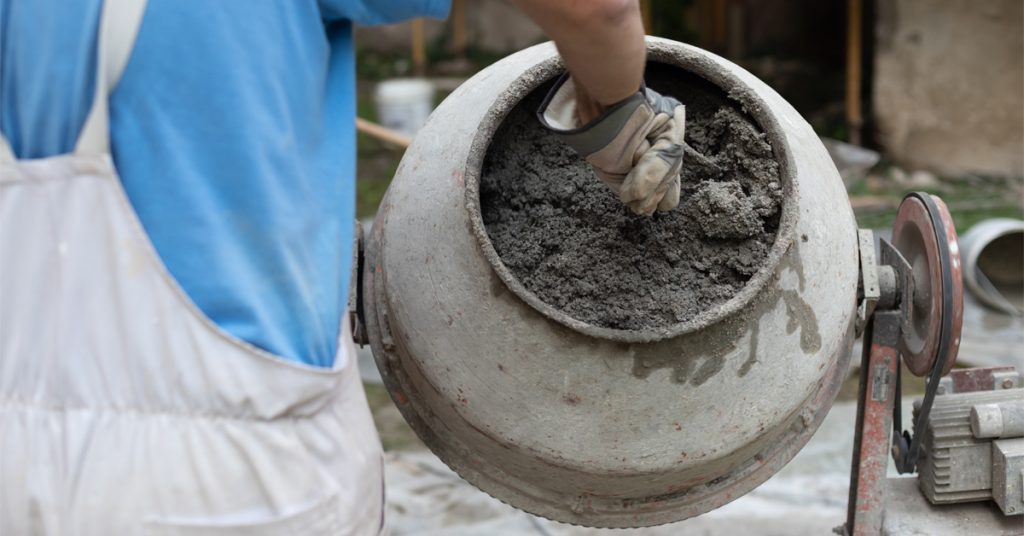
Mixing cement mortar might seem like a simple job — just dump dry mix in water and stir — but if the ratio is off, your bricks get wobbly, plaster peels, or cracks show up sooner than you’d expect. Whether you’re patching a wall, laying bricks, or plastering, understanding the right mortar mix ratio and the basics of cement mortar preparation makes all the difference between a job that lasts and one you replay every few years. Let’s talk shop — in everyday, friendly terms — so you get reliable results, not surprises.
Why Mortar Mix Ratio Matters
Think of mortar as peanut butter between bread slices: too thin and the sandwich is dry; too thick and it’s soggy. The right mortar mix ratio — the amount of cement, sand, and water — holds bricks tight, resists weather, and stays smooth. It’s less about fancy specs, more about durability and peace of mind.
Common Mortar Mix Ratios (and When to Use Them)
- 1:6 (Cement: Sand)
- Ideal for plastering and rendering walls.
- Creates strong but workable mortar — easy to spread and gives a neat finish.
- Think of it like “comfort toast”: strong hold, easy on the hands.
- For a 9” wall 1:6 ratio is used for masonry
- Ideal for plastering and rendering walls.
- 1:4
- Used for bricklaying for a 4.5-inch wall or blockwork, where strength is more important.
- Slightly stiffer than 1:6 — holds tiles or bricks firmly in place.
- Used for bricklaying for a 4.5-inch wall or blockwork, where strength is more important.
- 1:3
- Heavy-duty tasks like stonework or fixing load-bearing bricks.
- Strong and hard-setting, but tougher to work with — like thick peanut butter, you spread slowly.
- Heavy-duty tasks like stonework or fixing load-bearing bricks.
Step-by-Step: Cement Mortar Preparation
1. Measure First, Mix Second
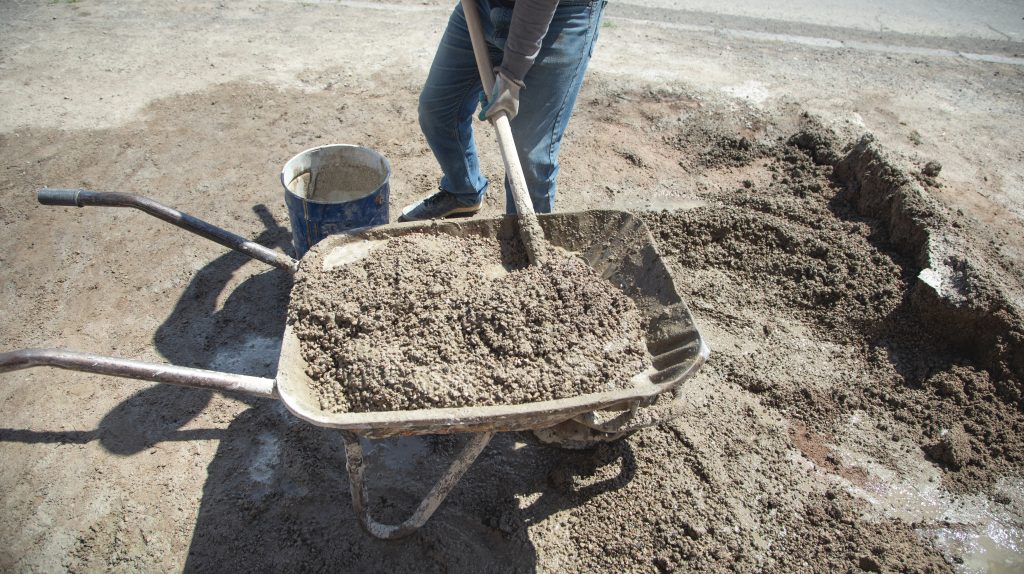
Use buckets or tins for consistency. For a 1:6 mortar mix ratio, scoop 1 bucket of cement and 6 buckets of dry sand.
2. Prep the Sand
Sand should be clean and dry. If it cakes or leaves dark water in buckets, rinse and shake it dry. Clean sand gives better binding. Sand should be free from clay and organic materials.
3. Mixing Dry Ingredients
Mix cement and sand until the blend is uniform and colour even. The ratio only matters if you mix it properly.
4. Add Water Gradually
Pour in small amounts of water while mixing. Aim for a peanut-butter texture — moist and cohesive, not runny. Add only as much to make it workable.
5. Let it ‘Rest’
Let the semi-wet mix sit for about 5 minutes. This allows cement to hydrate just enough. Mix again before using. This little pause helps make the mortar smoother.
Things to Keep In Mind
1. Water Content Changes Everything
- Too much water: weakens the mix (like overwatering cereal), and the mortar shrinks and cracks.
- Too little water: stiff, hard to apply, and may not bond well.
Find that sweet spot — like the right amount of milk in your coffee.
2. Test Your Mortar Before You Go Full-On
Before you start the full wall or patch, apply a small test patch:
- Does it grab bricks firmly with one tap?
- Is the surface even without water pooling?
- Can it hold a chalk line for alignment?
If yes, proceed. If not, tweak the water or sand mix.
3. Weather Matters
- Hot day caution: Mortar dries fast. Keep your mix slightly wetter and work quickly, or dampen the surface before applying. It’s like spreading butter on hot toast — it’s going to melt fast.
- Cool weather caution: It slows down. Use slightly warmer water or shade your mix to prevent slow set or frost damage.
4. Don’t Let Mortar Sit Too Long
Once mixed, the mortar starts setting in 30–60 minutes. As humidity and temperature vary, its usability decreases rapidly. Again, like toast: leave it too long, and it gets hard. Use mixed mortar promptly, or it’ll lose its stickiness, and you’ll end up wasting time and materials.
Common Mistakes
- Skipping ratios: Flood a mix with cheap cement or sand, and it becomes either brittle or weak.
- Ignoring water: too much = cracks. Too little = poor adhesion
- No rest time: Skipping the hydration pause can give poor-quality bonding
- Using dirty sand: Debris interferes with bonding strength, like chunky peanut butter in a delicate spread
Cement mortar preparation isn’t rocket science — but it does reward care. Scoop with purpose, aim for consistency, hydrate correctly, and don’t rush steps. That way, your wall stays straight, your plaster stays smooth, and every brick holds steady.
Turn mortar from messy guesswork into reliable results: pick the right mortar mix ratio, pay attention to cement mortar preparation, and build with confidence. Because when your mix is right, your structure is too.
FAQs
1. How much water is poured when mixing?
It should create a paste consistency that is neither too dry nor too watery. For every 50 kg of cement, 20-25 litres of water is the thumb rule.
2. How long can I use the mix once it’s prepared?
Use it within 30–45 minutes max. After that, it starts setting. Mixing a large batch and letting it sit is a common mistake — small batches are better.
3. Is it okay to reuse leftover mortar the next day?
No. Once it’s started to set, the bonding strength drops. Mortar mix ratio won’t matter if the cement’s already gone stale. Better to mix fresh every day.
4. What’s the role of curing in cement mortar preparation?
Curing keeps the mix from drying too fast. For walls, start water curing after 24 hours, and continue for at least 7 days. It helps the mortar gain full strength, kind of like letting dough rise properly before baking.