Designing a home in India with a vastu floor plan isn’t about rituals or blind superstition—it’s about blending traditional wisdom with real-world practicality. A well-thought-out, vastu home design plan can bring balance, comfort, and a sense of peace into everyday living. Let’s walk through how you can embrace Vastu in your layout without losing modern convenience or style.
1. The Main Entrance: Heart of the Home
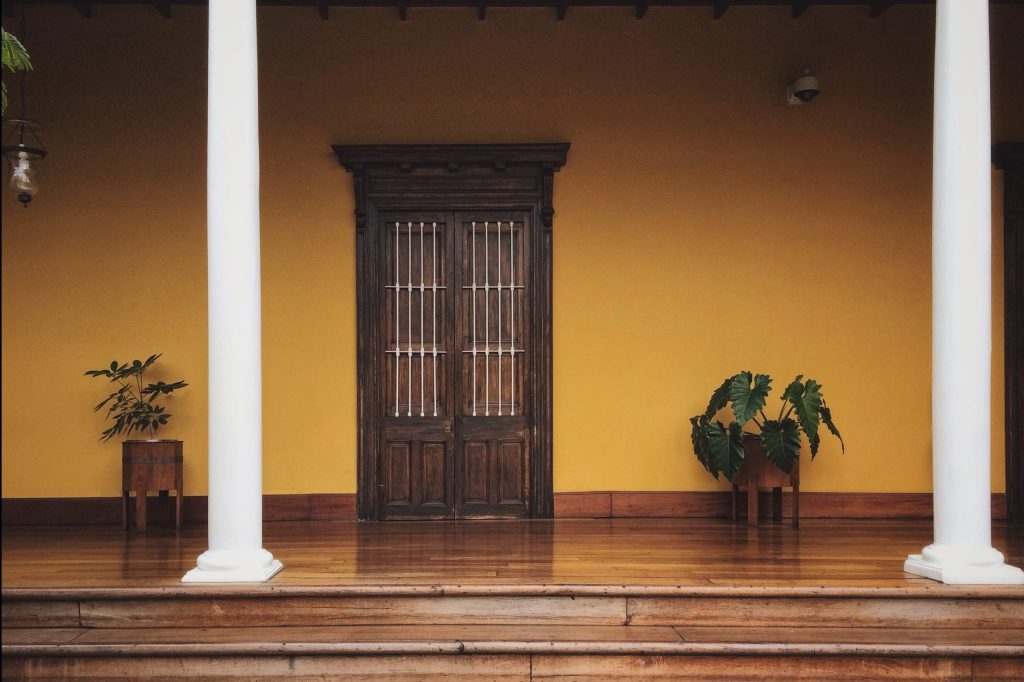
In Vastu, the entrance is like your front door into a friend’s life – it sets the tone. The ideal direction for the main door is North or northeast, as it welcomes positive energy.
Tip: Keep it clutter-free and well-lit. If your layout doesn’t allow northeast, east also works well – just ensure a clear and inviting doorway.
2. Living Room: Where Conversations Flow
The living room is the stage of daily life, and Vastu offers seating suggestions for ease and harmony. The best placement for a living room is North, East, or Northeast zones. These directions keep it bright and fresh. Sit facing east or north. It’s a bit like tuning into the right channel – comfortable energy and good vibes.
Tip: Avoid placing a sofa directly under a beam or directly opposite the entrance; a beam overhead can feel heavy, and a direct alignment with the door might make you feel too exposed.
3. Kitchen: Energise with Smart Zoning
In Vastu, the kitchen represents fire and nourishment – locate it carefully. The best location is the Southeast. If that’s not possible, Northwest is a fallback. Face east while cooking. It’s like catching the first light—fresh and hopeful.
Tip: Keep the sink and refrigerator in the northeast section—water and fire should not dominate the same corner.
4. Master Bedroom: Rest, Recharge, Repeat
This is your sanctuary, so Vastu advises placement that supports calm and sleep. Southwest is grounded—ideal for master bedrooms. Sleep with your head towards the south or east. It’s like planting your mind’s roots in stable ground.
Tip: Avoid a TV or mirror directly facing the bed. Soft, indirect lighting and natural tones help maintain a relaxed atmosphere.
5. Pooja & Meditation Space: Inner Stillness
Designing for devotion? Vastly enhances peace. The ideal zone for pooja rooms is the Northeast or East. Space facing northeast feels lighter and more positive.
Tip: Keep it minimal with a small shelf or cabinet, soft lighting, and sacred items. It’s less about grandeur and more about inner clarity.
6. Children’s Room or Study: Growth & Focus
Kids need energy and concentration – vastu helps channel that. The best direction for growth is East or north-facing for natural light and freshness. A desk facing either north or east helps concentration, like staring at sunrise or steady ground.
Tip: Avoid putting the study under beams; a free ceiling keeps thoughts flowing.
7. Bathrooms & Toilets: Keep the Flow Clean
Vastu has simple yet useful advice to prevent negativity, the best location being the North or the northwest. That helps keep unwanted energy contained. Ensure a window or ventilator opens outward—fresh air keeps it uplifting.
Tip: Keep toilets away from the northeast corner – it’s considered the most sacred.
8. Dining Area: Nourishment Meets Togetherness
Eating together brings energy—vastu emphasises a location that feels right. West or northwest ensures light and easy energy flow. Sit facing east or north—it feels natural and calm.
Tip: Don’t place the dining table directly under toilets, beams, or heavy balconies above—it feels oppressive and awkward.
9. Staircases: Rise Smoothly
In multi-level homes, stairs can significantly influence energy movement. The Southwest is considered ideal as your foundation supports upward moves. Ascend clockwise, levelling energy in a gentle, positive spiral.
Tip: Keep them uncluttered, well-lit, and capped—they shouldn’t lead directly to toilets or be central in the northeast.
10. Open Spaces: Courtyards, Balconies, and Terraces
Outdoor living is vital for ventilation and light. Northeast courtyards are perfect—they bring light, air, and a tiny patch of sky that doesn’t need walking out to be enjoyed. East or north balconies catch morning light. Spread your yoga mat, sit, and soak it in.
Tip: Add small plants like bamboo, money plant, or tulsi in the northeast to bring clean air and calm cheer.
Why Vastu Home Design Works Even Today
It isn’t just old thinking—it’s good home sense:
- It respects sun paths and wind flow.
- It places heavy functions on solid footing.
- It designates quiet and noisy zones for health and social living.
- It mixes science with tradition, placing lighter uses (like pooja or plants) in energetic zones.
A vastu floor plan isn’t restrictive—it’s a thoughtful blueprint. You’re aligning doors, windows, rooms, and functions to feel natural. Ground the heavy stuff southwest, open energy in the northeast, cook in the southeast, and sleep with your head south or east.
Light and airflow should flow from east and north; they’re like daily blessings, and ventilation planning keeps them moving through the house. Small tweaks often make the biggest impact—facing seats correctly, adding a skylight where there’s little sun, moving a TV frame, or choosing the right corner for your bookshelf. These are simple adjustments, not remodels.
A vastu home design plan isn’t a rulebook. It’s a friendly reminder to plan thoughtfully – not too dark, not too heavy, but balanced and human-centred. Most of all, it’s not about perfection – it’s about intention. If your rooms feel brighter, your mornings softer, your evenings quieter—it’s working. That’s the essence of Vastu in everyday, modern homes – simple flows, bright spaces, calm hearts.
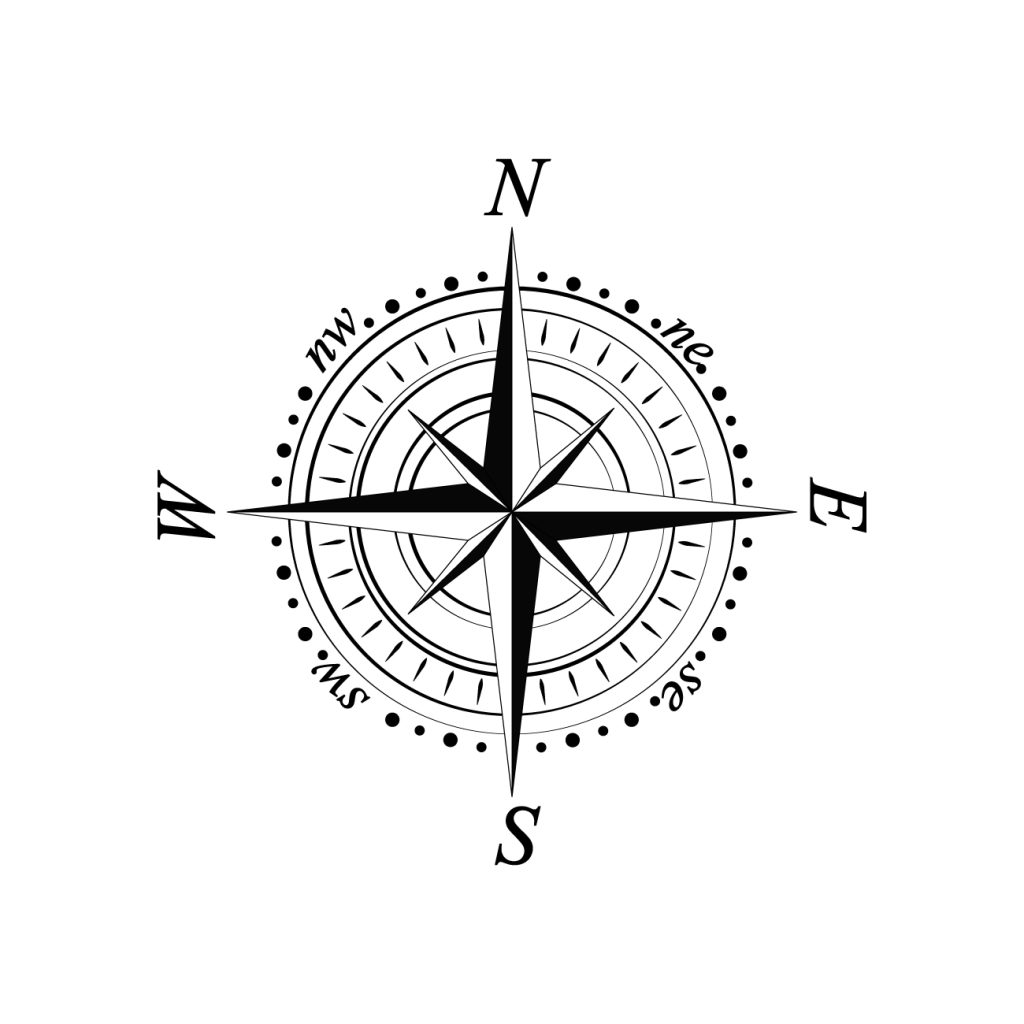
So take your floor plan, your compass directions, and what rooms matter most. Place entrances, lounges, kitchens, and sleep zones with a bit of care. Paint with light, air, and direction—and let your home become a reflection of mindful living.
FAQs
1. Can I use Vastu floor plan concepts in small apartments?
Absolutely. Even window positioning, furniture direction, and small plants help balance energy—you’re working with flow, not size.
2. What if my home layout doesn’t allow ideal directions?
Use remedies—mirrors, lighting, and colours—to support what you feel is missing. A light paint or corner lamp in the northeast can uplift that zone.
3. How much does Vastu cost?
Usually, just a few adjustments—repositioning furniture, adding a skylight, or small shading devices. It’s more about planning than renovation.
4. Is Vastu only about rooms and directions?
No. It also considers light, ventilation, beams, water and fire placements. The design is holistic, not shallow.
5. Can I ignore it if I don’t believe in it?
You’ll still benefit as Vastu often mirrors good design: better light, airflow, and room use. Many non-followers say their homes feel more open and functional afterwards.
6. How do I start creating my Vastu home design plan?
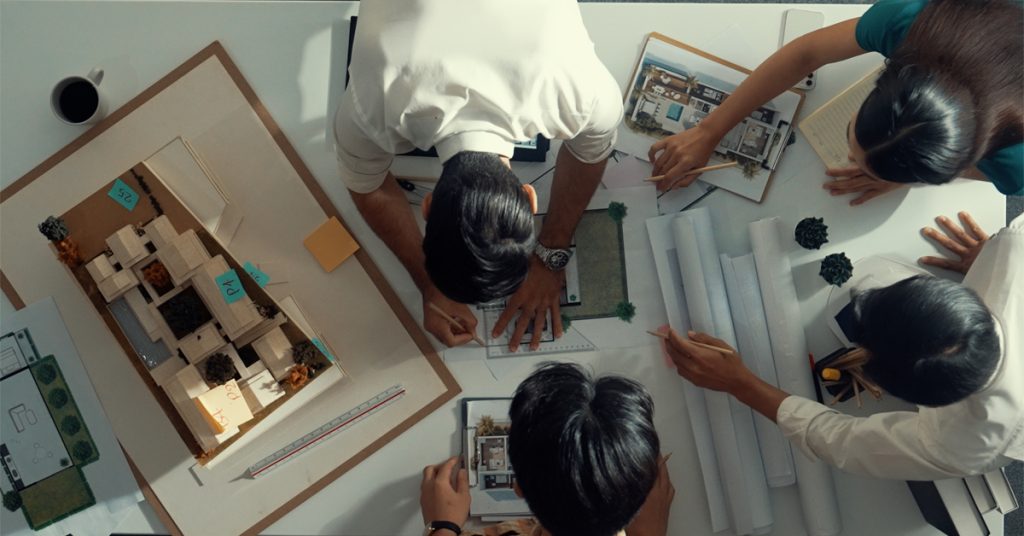
Sketch your floor plan, mark cardinal directions, and map room functions. Then adjust layouts room by room—aligning entry, living, kitchen, bedroom zones.
7. Do I need a guru or an architect?
Helpful, but not essential. A basic compass and awareness are enough for meaningful changes. Yet, a professional can offer precise and effective advice.