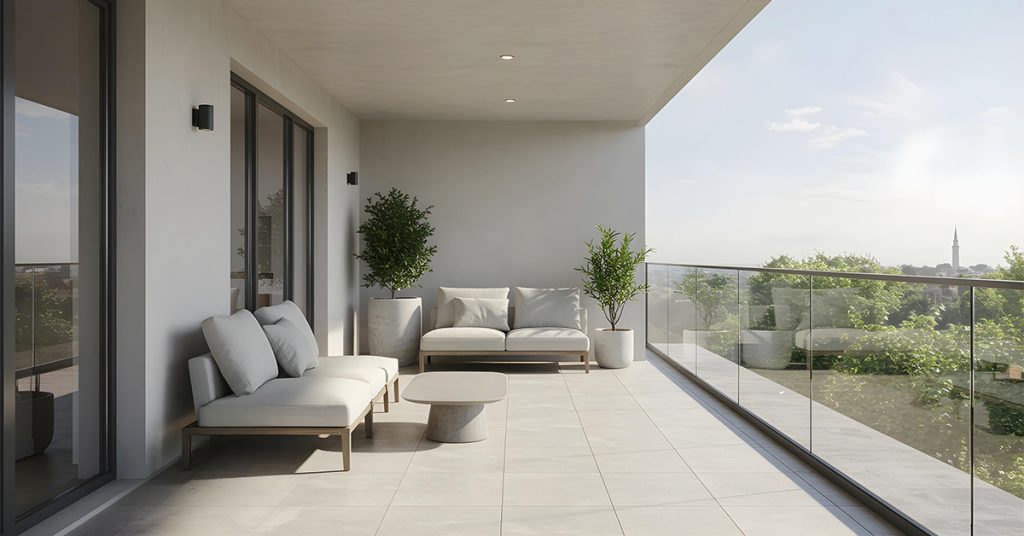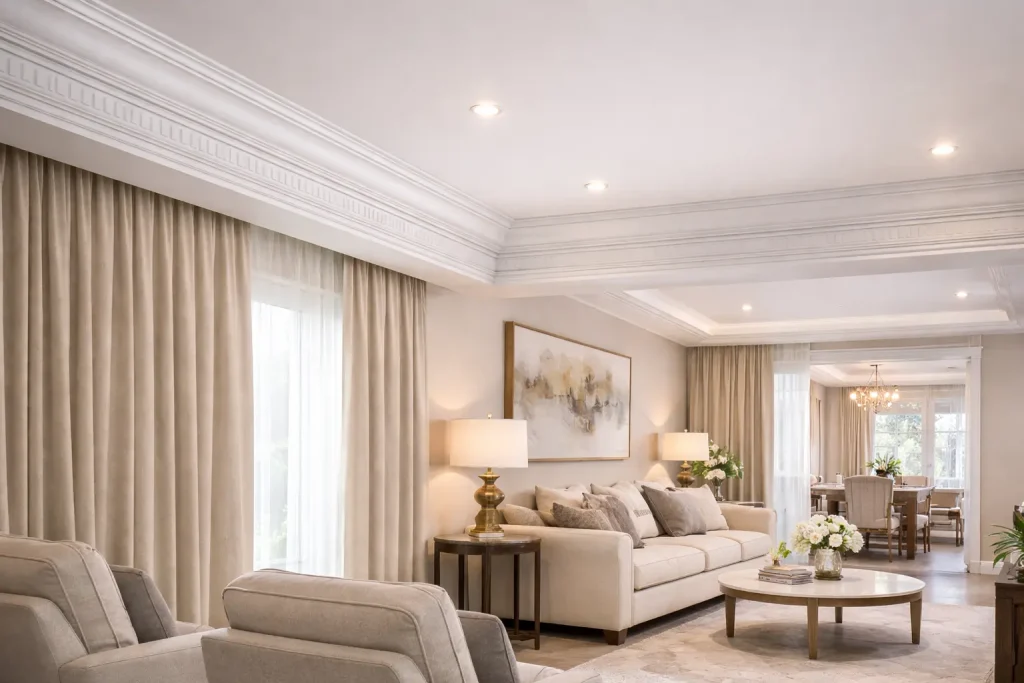
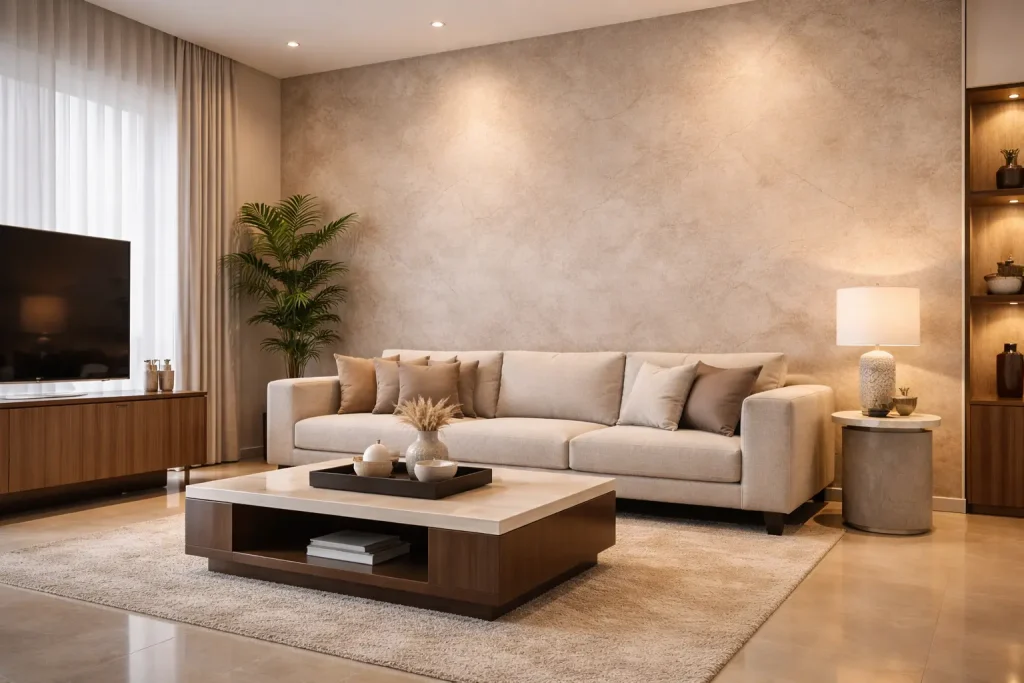
Wall finishes are no longer treated as background surfaces. In Indian homes today, walls carry as much visual weight as furniture, lighting, or flooring. By 2026, wall texture design has moved firmly into the decision-making zone — not as decoration, but as a functional and aesthetic layer that shapes how a space feels, wears, and ages.
Homeowners are asking sharper questions now. Which texture will age well over 8–10 years? Which performs better in heat, dust, or humidity? Which texture design for wall painting suits a bedroom versus a hall? The answers are no longer about fashion alone — they are about performance, maintenance, and long-term comfort.
This guide breaks down wall texture design trends for Indian homes in 2026, with clear use cases, room-wise guidance, and practical rules that help avoid expensive mistakes.
What Is Wall Texture Design?
Wall texture design refers to surface finishes applied to walls using specialised paints, plasters, or compounds to create visual depth, tactile softness, or controlled grain. Unlike flat paint, texture design influences how light behaves on a wall, how dust settles, how cracks appear over time, and how frequently a surface needs maintenance.
In Indian homes, wall texture design is chosen not just for appearance, but for how it performs across daily cleaning, seasonal climate changes, and long ownership cycles.
Why Wall Texture Design Is Changing in 2026
The shift is driven by three realities of Indian homes:
- High-wear environments — dust, heat, moisture, and frequent cleaning
- Smaller average home sizes, especially in cities
- Longer ownership cycles, where wall finishes are expected to last 8–10 years without major repair
As a result, wall texture design in 2026 is less about bold visual impact and more about finishes that age evenly, resist visible damage, and remain visually calm over time.
Major Wall Texture Design Trends for 2026
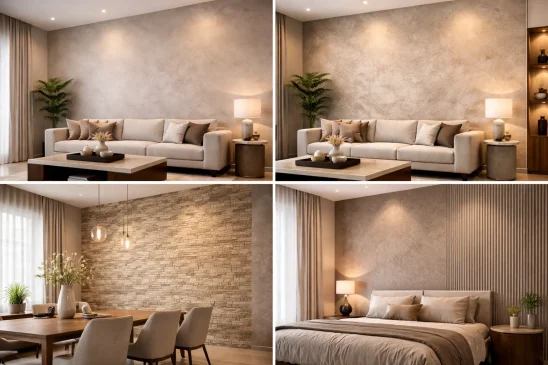
1. Subtle Concrete and Microcement Textures
Heavy, rough concrete finishes are declining. In their place, smoother concrete-inspired textures with controlled grain are gaining preference.
These textures:
- Offer a natural matte appearance
- Do not trap dust easily
- Require less frequent repainting (typically once in 8–10 years)
Best used for:
- Living rooms
- Dining spaces
- Accent walls in halls
Avoid heavy concrete textures in bedrooms, where they can feel visually cold and acoustically harsh.
2. Soft Limewash and Hand-Brushed Textures
Limewash-style wall texture design is growing rapidly due to its breathable nature and soft tonal variation.
Why it works well in Indian homes:
- Handles temperature variation better
- Ages gradually instead of showing sharp cracks
- Allows spot touch-ups without visible patching
Ideal for:
- Bedrooms
- Study rooms
- Homes with strong natural light
This is among the most resilient texture designs for wall painting options in 2026, especially for long-term living.
3. Fabric-Inspired and Suede Textures
Fabric-like textures add warmth without physical depth. They reduce glare and soften artificial lighting.
Best suited for:
- Master bedrooms
- TV back walls
- Quiet zones within the home
These textures typically require gentle dry or damp wiping rather than aggressive cleaning.
4. Layered Neutral Textures Instead of Bold Patterns
Bold geometric and high-contrast textured walls are being phased out. The shift is toward layered neutrals — clay, beige, stone grey — built through subtle variation rather than strong patterns.
This approach:
- Makes rooms feel visually larger
- Reduces repaint fatigue over time
- Adapts easily to furniture or colour changes
For Indian homes with long ownership cycles, layered neutrals offer the safest long-term wall texture design strategy.
Wall Texture Design for Bedroom in 2026
Bedrooms require restraint. Over-textured walls disrupt visual calm and rest.
Recommended wall texture design for bedroom:
- Limewash or brushed textures
- Suede or fabric finishes
- Soft matte surfaces in neutral shades
Avoid:
- Sharp concrete textures
- High-contrast patterns
- Glossy textured paints
In most cases, a single textured wall behind the bed is sufficient.
Wall Texture Design for Hall and Living Areas
The hall carries the highest visual load.
Recommended wall texture design for hall:
- Controlled concrete textures
- Layered neutral finishes
- Subtle stone-inspired effects
Design rule:
If furniture is heavy or dark, wall texture should remain light and fine. If furniture is minimal, the wall can carry slightly more texture.
Texture Design for Wall Painting: What to Avoid
Certain finishes perform poorly in Indian conditions:
- Deep grooves that trap dust
- High-gloss textured paints that highlight imperfections
- Metallic or reflective textures that age unevenly
These finishes often require frequent repair or repainting within 3–4 years.
Practical Rules for Choosing Wall Texture Design
Before finalising, apply these checks:
- Can the texture be cleaned without scrubbing?
- Will cracks or patches become visible over time?
- Does it overwhelm the room size?
- Can it adapt if furniture or colour schemes change?
A good wall texture design supports the room quietly rather than competing with it.
To explore different construction styles, read our detailed guide on the types of walls used in Indian homes.
Understand how wall texture designs vary based on wall type, structure, and finishing material.
FAQs: Wall Texture Design
What is the most popular wall texture design in 2026?
Subtle concrete-inspired and limewash textures lead due to durability and visual restraint.
Which wall texture design is best for bedrooms?
Soft limewash, suede, or fabric-style textures create the calmest environment.
Is wall texture design suitable for small homes?
Yes, when textures are fine-grained and light in colour.
Which texture design for wall painting lasts the longest?
Low-relief, matte textures generally last 8–10 years with minimal maintenance.
Can wall texture design be used in halls with heavy furniture?
Yes, but texture intensity should remain subtle.
Final Word
Wall texture design in 2026 is not about making walls louder. It is about making them smarter.
The best textures handle Indian living conditions gracefully, age without drawing attention to wear, and remain relevant as tastes evolve.
Choose wall texture design with the same care as layout and lighting — because walls are no longer just surfaces. They are part of how a home lives, performs, and lasts.