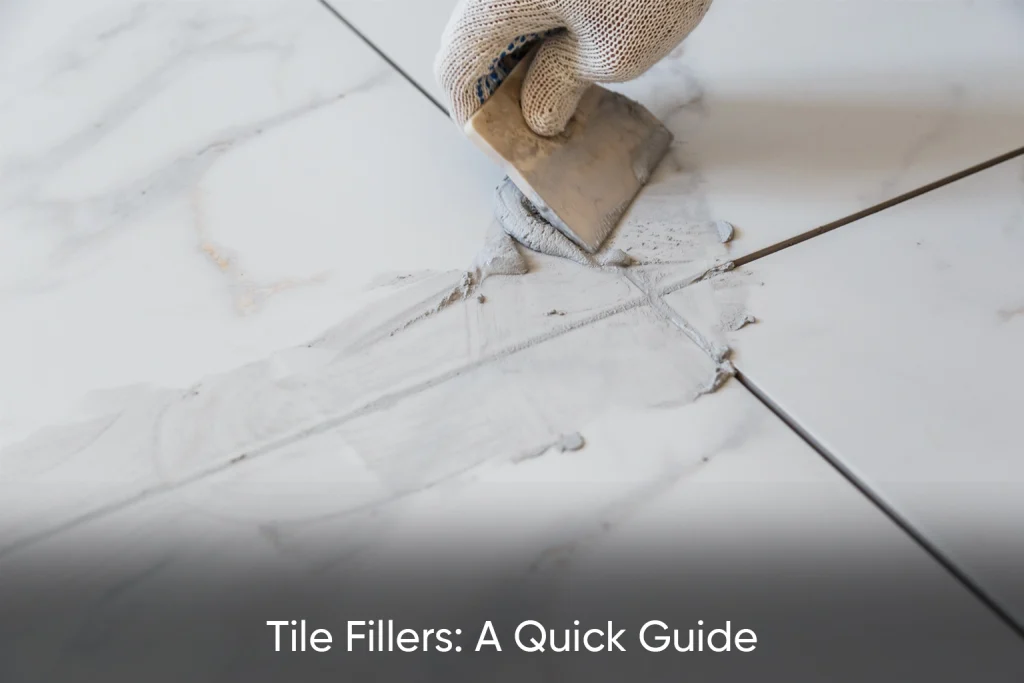
In the world of construction and interior finishing, the terms Tile Filler and Tile Grout are often used interchangeably, but they serve distinct roles depending on the stage of installation and the specific problem they are solving.
According to the JKTylo® technical standards, here is a detailed breakdown of what they are and how they differ.
1. What is Tile Grout? (The Finishing Seal)
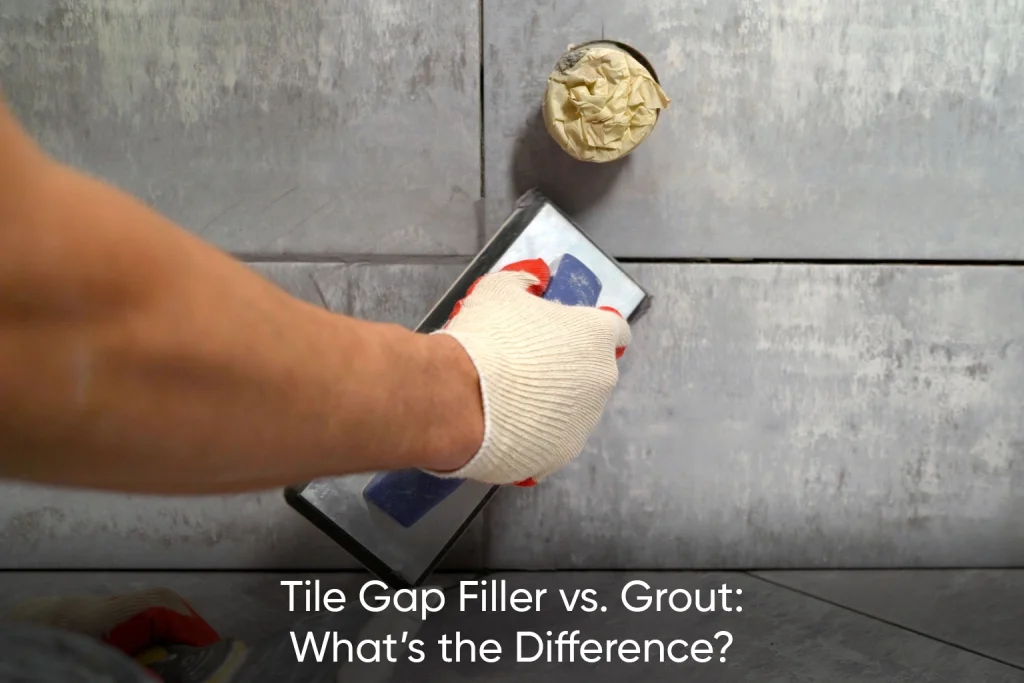
Tile grout is a specialized material designed to fill the intentional gaps (joints) between tiles after they have been laid. Its primary purpose is to bond the tiles together into a structural mass, prevent water from seeping behind the tiles, and provide a finished aesthetic.
· Cementitious Grout: A traditional mix of cement and pigments.1
· Epoxy Grout (e.g., JKTylo 2K Eazy): A resin-based “filler” for joints that is 100% waterproof, stain-proof, and chemical resistant.2 It is the gold standard for hygiene and durability.3
2. What is Tile Filler? (The Repair & Prep Material)
The term “Tile Filler” generally refers to products used to fix imperfections either in the tile itself or in the substrate (the surface underneath) before or after installation.
· Substrate Fillers: Used to level an uneven floor or patch cracks in concrete before applying adhesive.
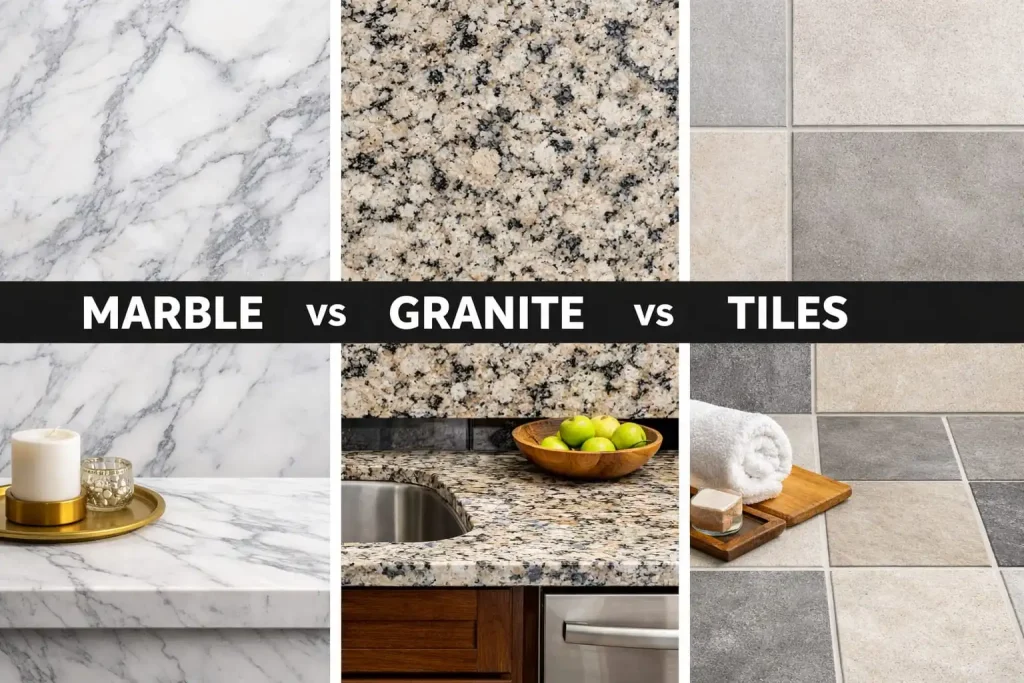
· Tile Surface Fillers: Used to repair chips, cracks, or holes in the surface of natural stone (like marble or granite) or ceramic tiles.4 These are often color-matched resins or “mastics” that mimic the texture of the stone.
· Expansion Joint Fillers: Specialized flexible materials used in large tiled areas to allow for structural movement (thermal expansion).
Key Differences: Grout vs. Filler
| Feature | Tile Grout (e.g., JKTylo 2K Eazy) | Tile Filler (General) |
| Primary Purpose | Filling the gaps between tiles to seal and finish the surface. | Repairing cracks, chips, or leveling the surface before tiling. |
| Application Stage | Applied after the tiles are fixed and adhesive has cured. | Applied before tiling (on the floor) or after if a tile gets damaged. |
| Consistency | Usually a creamy paste designed to be squeezed into narrow joints. | Varies from liquid resins (for chips) to thick mortars (for floor leveling). |
| Flexibility | Designed to handle slight tension between tiles. | Can be rigid (for stone repair) or highly flexible (for expansion joints). |
| Aesthetics | Available in many colors to match or contrast tiles. | Usually intended to be invisible (matching the tile’s exact pattern). |
When to Use Which?
· Use JKTylo Epoxy Grout when you want to fill the lines between your bathroom or kitchen tiles to ensure they are waterproof and mold-free.5 Its Color-Lock Technology ensures the joints remain vibrant.
· Use a Filler if you accidentally chip a piece of expensive marble or if your concrete floor has a deep crack that needs to be filled before you apply JKTylo 111 Classik Grey Adhesive.
The JKTylo Advantage
Whether you are using a grout like JKTylo 2K Eazy or an adhesive for your project, the JKTylo range ensures “Unshakeable Power.” Both grouts and specialized fillers in our range are formulated with No VOCs, making them safe for your home environment while providing a premium, durable finish that protects your tiles for years to come.
FAQs
1. What is the difference between tile filler and tile grout?
Tile grout is used to fill the gaps between tiles after installation to seal and finish the surface, while tile filler is used to repair cracks, chips, or level the surface before or after tiling. Grout is a finishing material, whereas filler is a repair and preparation material.
2. What is tile grout and why is it important?
Tile grout is a joint-filling material that bonds tiles together, prevents water seepage, and enhances the final appearance. Epoxy grouts like JKTylo 2K Eazy are waterproof, stain-proof, and chemical resistant, making them ideal for kitchens, bathrooms, and wet areas.
3. What is tile filler used for?
Tile filler is used to repair damaged tiles, fill cracks in concrete, level uneven floors before tiling, and seal expansion joints. It helps prepare the surface for adhesive and restores damaged stone or ceramic tiles.
4. When should I use epoxy grout instead of cement grout?
Epoxy grout should be used in areas exposed to water, stains, chemicals, or heavy usage such as bathrooms, kitchens, swimming pools, and hospitals. It offers superior hygiene, durability, and colour stability compared to cement grout.
5. Can tile filler replace grout between tiles?
No. Tile filler is not designed to replace grout. Fillers are for surface repair and preparation, while grout is specifically engineered to seal tile joints and provide long-term waterproofing and structural integrity.