Most people don’t give skirting tiles a second thought until the flooring is done and something just doesn’t look right.
You check out the room. Nice tiles. Painted walls. But the spot where the floor meets the wall looks kind of rough. That’s where skirting tiles come in handy.
They sit at the bottom of the wall, protecting it, hiding messy edges, and tying the room together. Whether it’s plain wall skirting tiles, strong black skirting tiles, or neat modern tiles skirting, sorting this out can really improve a space.
These days, skirting isn’t just about function. People are picking cool modern tiles skirting that matches their floor, or even using black skirting tiles to sharply define the room.
What Are Skirting Tiles?
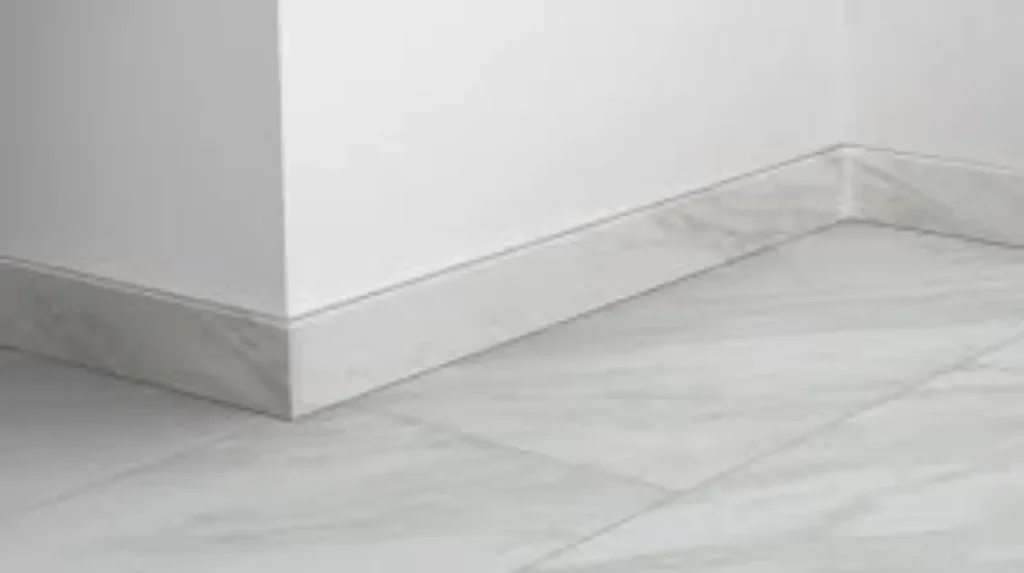
Skirting tiles are those thin strips fixed to the bottom of the wall, right above the floor.
Think of them as the wall’s hemline. They might not be noticeable immediately, but if it’s missing or done badly, you’ll spot it right away.
Earlier, skirting was done with cement or wood. Now, wall skirting tiles are the way to go because they’re tougher, cleaner, and easier to look after.
Basically:
* Flooring covers the surface
* Skirting tiles do the edges
And edges matter!
Types of Skirting Tiles
There are tons of options, but in India, skirting tiles usually come down to these few favourite options.
1. Same Tile as Flooring
This is most commonly seen in apartments. The floor tile is cut into strips and stuck along the wall. Simple. Clean. Easy.
This kind of modern tiles skirting is great because:
- It matches perfectly
- No colour issues
- It’s cheaper
It’s a fail-safe and looks good.
2. Black Skirting Tiles
These are getting really popular, especially with light floors. You’ll often see them in living rooms, hallways, and trendy apartments.
Black skirting tiles:
- Hide dirt and mop marks
- Give the room a crisp outline
- Look classy without trying too hard
If you’ve got kids or a busy household, black skirting tiles are actually easier to keep clean than white ones.
3. Ceramic Wall Skirting Tiles
These are different from floor tiles. They’re thinner, lighter, and made just to protect walls.
You will see these wall skirting tiles mostly in:
* Kitchens
* Bathrooms
* Utility areas
They don’t really stand out, but get the job done.
4. Stone or Marble Skirting
Mostly a common feature in modern fancy homes.
Marble skirting that matches the marble floor provides a stunning look – but only if installed right. Stone skirting needs professional support as it can chip easily.
It’s not for everyone, but when done properly, it’s classic.
Designing with Skirting Tiles – Here’s What Works
You don’t need an interior designer to pick skirting tiles- all you need is knowledge. Designing with these kinds of modern tiles skirting involves:
- Height
- 3 to 4 inches typically
- Bigger rooms can handle 5 or 6 inches
- Being too tall can overwhelm small rooms.
- Colour Choice
- Matching floor = calm, smooth look
- Black skirting tiles = bold, defined edges
- Matching wall colour = subtle and safe
- Darker skirting holds up better.
- Finish
- Matte hides scratches
- Glossy is easier to wipe
- Matte modern tiles skirting looks good for longer.
Installation Process
This is where things can go wrong. Even the best skirting tiles can look bad if you’re not careful.
Usually, the installation process goes like this:
1. Flooring is put in place.
2. Skirting pieces are accurately cut.
3. The wall base is cleaned.
4. Adhesive is applied.
5. Tiles are lined up straight.
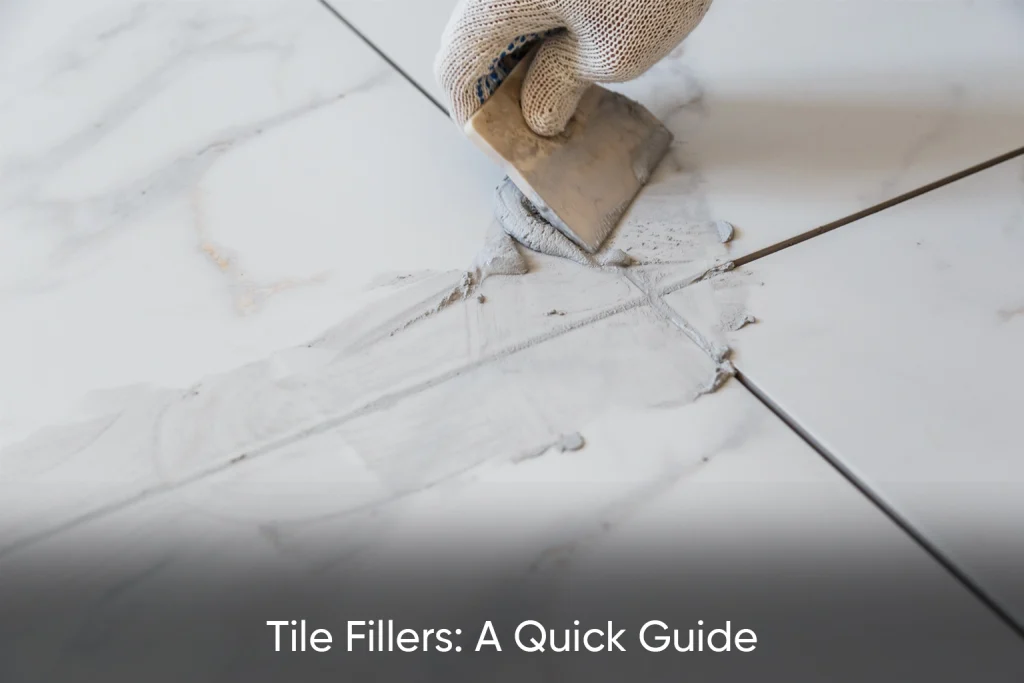
6. Gaps are filled.
Tip: Fix skirting tiles before the final paint job. Otherwise, the paint gets ruined, and touch-ups never look quite right.
Price Range of Skirting Tiles in India
Skirting isn’t that pricey – but some people still hesitate. Here’s an idea of what you might pay:
- Basic ceramic wall skirting tiles: ₹40 – ₹80 per running foot
- Same tile as flooring: ₹60 – ₹120 per running foot
- Black skirting tiles with premium finish: ₹100 – ₹180 per running foot
- Marble or stone skirting: ₹200+ per running foot
Usually, the cost to have them installed is part of the flooring job. Doing it later costs more and can look rushed.
Why Skirting Tiles Are a Good Idea
People wonder if skirting is really worth it. Speaking from experience, yes, it is.
- Wall skirting tiles:
- Protect paint.
- Reduce wall damage.
- Make cleaning easier.
- Modern tiles skirting:
- Hides bad tile cuts.
- Makes rooms look finished.
- Adds balance.
- Black skirting tiles
- Save you from seeing dirt every single day.
Skirting tiles might not be the first thing you notice, but once you install them, they’re really important. Whether you pick plain wall skirting tiles, neat modern tiles skirting, or strong black skirting tiles, plan and get it done properly.
Like all the best construction details, skirting is best when it blends seamlessly.
FAQs
1. What’s the point of skirting tiles?
They’re important for keeping the bottom of walls safe from water, dirt, and damage. They also look great.
2. Is it mandatory to install skirting tiles?
No. But installing them is really helpful, especially in Indian homes, because they protect the wall from dirt and dust.
3. What colour skirting tiles are easiest to clean?
Dark colours, especially black skirting tiles, hide stains better.
4. What should the height of skirting tiles be?
3–4 inches is normal, but taller rooms can go a bit bigger.
5. Can skirting tiles be added later?
Yes, but doing it with the flooring can cost less and give a neater finish.
6. Do skirting tiles increase the cost?
No. They’re only a small part of the flooring budget, but they add a lot of value.