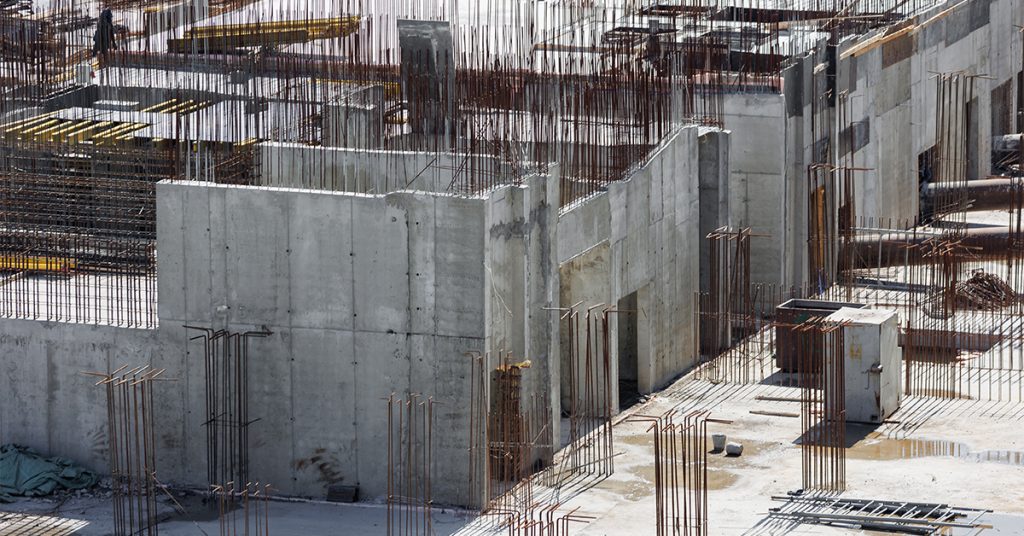
If you’ve ever watched a builder at work or peeked at drawings for a new home, you’ve probably spotted that mesh of steel bars crisscrossing inside beams and columns. That’s not just random metal – it’s RCC reinforcement spacing doing its job, making sure your beam column reinforcement stays strong and reliable.
Why Reinforcement Placement Matters
Reinforcement is placed in concrete because concrete is strong in compression but weak in tension. Steel bars (rebars) are added to handle tensile forces, improve load-carrying capacity, control cracking, and enhance structural stability. Steel is preferred because it bonds well with concrete and has very similar thermal expansion.
The Basics: Bars, Spacing, and Clear Cover
Three factors matter most here:
- Bar size and quantity – How thick the steel rods are, and how many you need.
- Spacing between bars – This is what we call RCC reinforcement spacing.
- Clear cover — the gap between steel and the outer concrete, usually around 25–40 mm. It protects the steel from rust and heat. Too little cover, and will lead to corrosion in reinforcement bars in the monsoon season. T
Beam Reinforcement
In beams, steel bars go both at the bottom and top. Bottom bars handle tension force due to dead and live loads when the beam sags under weight. Top bars resist tension if the beam bends the other way, often near supports. Spacing is key.
Typically, 12 mm or 16 mm bars are spaced at around 150–200 mm centre-to-centre. For deeper beams or heavier loads, spacing may tighten to 100–125 mm.
Engineers check this using formulas tied to the beam’s size, load, and concrete grade.
Stirrups: The Beam’s Belt
Stirrups are provided in beams mainly to resist shear forces and prevent diagonal cracking. They hold the main reinforcement bars in position during concreting and prevent buckling of compression bars. Stirrups also help in improving the ductility and structural stability of the beam, especially during seismic or heavy loading conditions.
Column Reinforcement
Reinforced concrete columns, commonly square, rectangular, or circular in shape, are designed to carry compressive loads and transfer them to the foundation. Since concrete alone lacks tensile strength and durability, reinforcement is essential. It includes:
Longitudinal reinforcement for load-bearing capacity
Lateral or helical ties to prevent buckling
As per IS 456:2000, the longitudinal reinforcement should be 0.8% to 6% of the column’s cross-sectional area.
Square/Rectangular columns need at least 4 bars (one at each corner)
Circular columns need at least 6 bars, evenly spaced
Bar diameters typically range from 12 mm to 32 mm, depending on load requirements. Adequate concrete cover is also crucial to protect reinforcement and ensure durability
Common Mistakes and How to Avoid Them
- Mixing bar sizes haphazardly: You might see someone place 16 mm and 12 mm bars randomly. That causes uneven reinforcement and weak spots.
- Wide stirrup spacing: Leaving 250–300 mm between stirrups just because it saves steel is a classic home build error. It may hold for a year, but cracks eventually show.
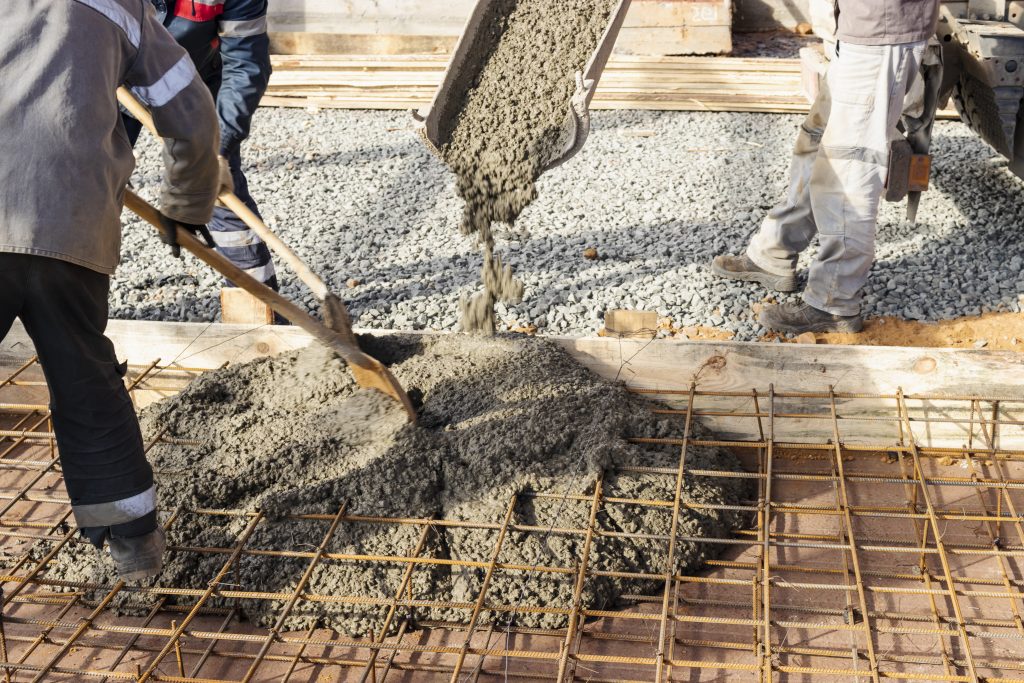
- Ignoring cover blocks: Your steel should rest on small concrete blocks during pouring—without those, bars sink or shift, hurting beam column reinforcement alignment.
- Checking Reinforcement Before Casting
Things to keep in mind before concrete pouring
- Use a tape or spacer to confirm bar spacing. It must match the drawings.
- Check clear cover—steel should match marks on shuttering.
- Ask for a test pour in an interior corner to assure no seepage beneath the shuttering.
- This simple check saves big in fixing headaches later.
Significance of RCC Reinforcement
Proper RCC reinforcement slab is less glamorous than fancy tiles or electric fixtures—but it’s what makes your home last. Good beam column reinforcement gives you peace of mind: no sudden cracks, no repair bills, and a solid base for every bedroom, hall, or staircase.
Tips for Homeowners
- Ask your contractor to show you the layout drawing and bar placement plan.
- Visit the site during shuttering so the steel position can be checked.
- Don’t be shy—learn to recognise proper bar placement; your house’s safety depends on it.
Building a home in India often focuses on what you see: tiles, colours, fittings. But the unseen steel bars in beams and columns are doing the real work. Getting beam column reinforcement right today means a stronger, longer-lasting home tomorrow.
FAQs
1. Why does steel placement matter so much in beams and columns?
Think of steel in RCC slab like bones in a body. If bones are weak or misaligned, the body suffers. Same with beams and columns. Proper beam column reinforcement ensures your home stands strong through weather, time, and weight. Misplaced steel? That’s a crack waiting to happen.
2. What’s ‘reinforcement spacing’?
RCC reinforcement spacing just means how far apart the steel bars are placed inside the concrete. If they’re too close, you waste steel. Too far, and the concrete can crack under pressure. Like placing bricks in a wall, the pattern matters as much as the material.
3. How close should the bars be in a regular beam?
Usually, bottom bars in a residential beam are spaced around 150 to 200 mm apart, but it depends on the load. Closer spacing means more strength, but also more cost. That’s why a good engineer balances both — strength where it’s needed, savings where it’s not.
4. What if the stirrups in a beam are spaced too far apart?
That’s a red flag. Stirrups (the vertical hoops) keep your bars in place and prevent sudden shear cracks. Stick to 100–150 mm spacing near supports and 150–200 mm at the centre — that’s standard practice for good beam column reinforcement.
5. Does the spacing in columns follow the same rules as beams?
Not exactly. Columns take vertical loads, so we use vertical bars tied together with lateral ties (or rings). These ties are spaced based on the bar size and load, generally between 100 to 300 mm apart. In earthquake zones, the spacing is even tighter. Think of it like tying up a bundle of sticks — tighter ties mean stronger support.
6. What can go wrong if the spacing isn’t right?
Lots. Concrete can crack early, beams might sag, or columns could fail under pressure. Worst case? Structural instability. These aren’t things you want to fix after moving in — they cost more and cause safety issues. That’s why RCC reinforcement spacing is checked before every pour.
7. As a homeowner, how do I check if the steel work is done right?
Even if you’re not an engineer, look out for three things:
- Are the bars evenly spaced, as per the drawing?
- Are stirrups or ties tight and not sagging?
- Are concrete cover blocks being used under the steel?
If all three check out, your beam column reinforcement is likely on track.