When most people hear “RCC structure house,” they imagine walls made of grey concrete and a jungle of steel bars sticking out. But the truth is, that’s only the skin of it. An RCC frame—short for Reinforced Cement Concrete—is the hidden skeleton that makes today’s Indian homes, apartments, and even skyscrapers possible.
From a beachside villa in Goa with open verandas to a 20-storey tower in Hyderabad’s HITEC City, chances are you’re standing inside an RCC frame right now. Why? Because it combines strength, flexibility, and durability—three things our unpredictable climate and seismic zones demand.
Let’s break this down in simple terms: what RCC frames really are, how they’re built, and what you, as a homeowner, need to know before putting money into concrete and steel.
What Is an RCC Frame Structure?
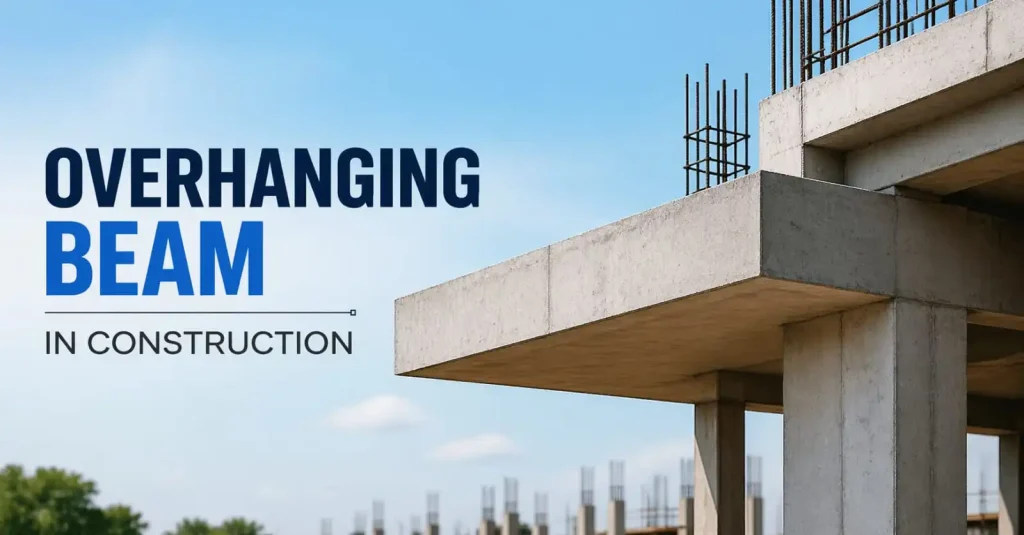
An RCC frame is basically a skeleton made of concrete and steel. Instead of thick brick walls carrying your house, vertical columns (like legs) and horizontal beams (like arms) take all the loads and pass them to the foundation. Floors and slabs rest on this skeleton, and the walls you see are just fillers—not structural.
Think of it like a Lego set—the structure stands on the hidden grid of columns and beams, while the outer pieces (walls) can be swapped or shifted.
Why Choose RCC Frames Over Traditional Masonry?
- Flexibility in design: Want to move a wall later? No problem—the structure won’t care.
- Height capacity: Load-bearing walls struggle beyond two floors, but RCC can go sky-high.
- Earthquake resilience: Properly designed frames bend without breaking—a lifesaver in Zones III–V.
- Open, airy layouts: Wide living rooms, floor-to-ceiling glass, or showrooms—all possible only with RCC frames.
In Pune, I walked through an apartment where balconies jutted out like wings. That entire layout was only possible because the frame, not the walls, carried the load.
Main Components of an RCC Frame
- Columns: The vertical backbone—usually reinforced with Fe415/Fe500 TMT bars.
- Beams: Horizontal links that transfer slab loads to columns.
- Slabs: Thin flat plates (around 5–6 inches thick) forming your floors and roof.
- Foundation & Footings: Isolated pads, rafts, or piles that anchor the frame into the soil.
- Shear Walls (for high-rises): Add stiffness against wind or seismic shocks.
How Is an RCC Frame Constructed?
- Soil Test & Foundation: Soil decides the footing—shallow pads, raft, or piles.
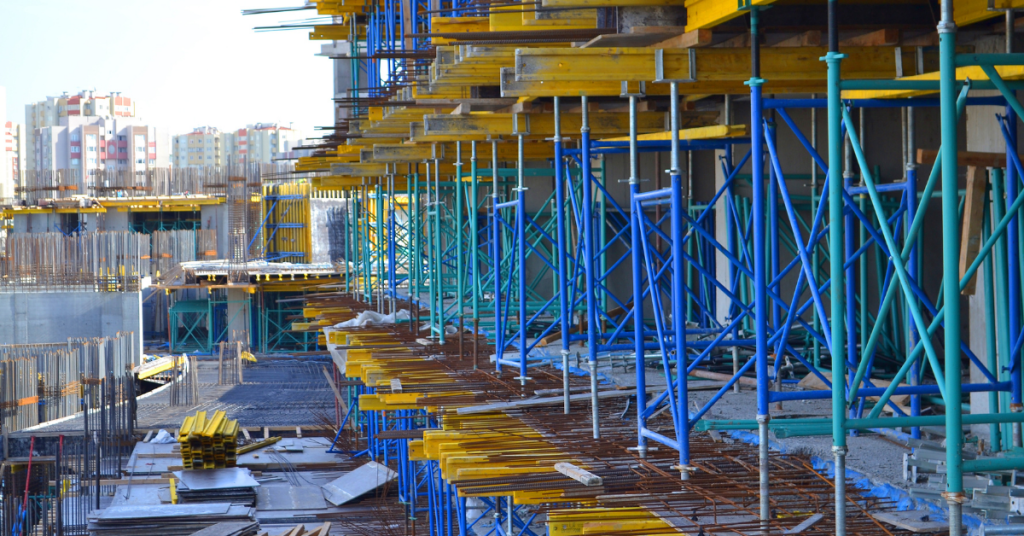
- Column Casting: Steel bars are tied, shuttering is set, and concrete is poured.
- Beam & Slab Work: Beams connect columns, slabs are poured over shuttering.
- Curing: The most ignored but most important step—keeping concrete moist for at least 14 days.
- Walls & Finishes: Only after the frame is stable do infill walls, plaster, and finishes come in.
Skip curing, and you’ll see honeycombing, cracks, and weak concrete—Delhi summers are notorious for rushed curing.
Key Design Considerations
- Concrete grade: M25 for homes, M30+ for taller buildings.
- Cover thickness: At least 25mm to keep steel safe from rust.
- Bar spacing: Closer ties and stirrups in seismic zones.
- Load path: Slab → beam → column → footing → soil. A broken chain = disaster.
- Formwork quality: A bad shutter job can ruin alignments and cause leaks.
RCC Frames in Seismic Zones
India isn’t forgiving when it comes to earthquakes. With proper ductile detailing (IS 13920):
- Columns get extra stirrups to avoid brittle collapse.
- Beam-column joints are reinforced to rotate without failing.
- Seismic grade steel (Fe500D/Fe550D) ensures flexibility.
Case in point: In Uttarakhand’s 2021 tremors, new RCC homes stood tall with hairline cracks, while older load-bearing houses developed dangerous diagonal splits.
Cost Implications
Yes, RCC costs a bit more:
- Load-bearing house: ₹1,200–₹1,400 per sq ft
- RCC frame house: ₹1,400–₹1,600 per sq ft
But what you pay extra upfront, you save later in:
- Fewer cracks, less maintenance
- Option to add floors in future
- Higher resale value in cities
- Safer in seismic and high-wind regions
Practical Tips for Homeowners
- Think future: Even if you’re building one floor now, design foundations for two.
- Don’t skip testing: Demand cube tests for concrete, and ask for TMT bar certificates.
- Curing matters: Don’t let your contractor rush it. Wet curing = stronger concrete.
- Hire experience: RCC detailing is an art; don’t trust first-timers.
- Document everything: Photos of rebar, shuttering, and site checks protect you later.
FAQs – RCC Frames, Human-Style
1. What exactly does “RCC structure house” mean in plain words?
It means your house isn’t standing on walls—it’s standing on a skeleton of reinforced concrete columns and beams. The walls are just partitions or enclosures, not the load-bearers.
2. Why are RCC frame structures considered safer than brick houses in India?
Because RCC frames bend during earthquakes instead of snapping. Brick walls are brittle—once they crack, they fail. RCC with ductile steel detailing distributes seismic forces safely.
3. How much more expensive is RCC framing compared to a simple brick house?
Expect about 10–15% higher cost. For a 1000 sq ft house in 2025, load-bearing might be ₹12–14 lakhs, while RCC is ₹14–16 lakhs. But you get flexibility, expansion options, and better resale.
4. How long does it usually take to complete RCC frame construction?
For a 2000 sq ft duplex, the frame (columns, beams, slabs) takes around 3–4 months, depending on curing, weather, and site efficiency.
5. What grade of concrete is best for RCC houses in India?
M25 is standard for homes. For flood-prone or seismic zones, M30 or higher is recommended. Always check if your mix is site-batched or ready-mix.
6. How much steel is required per sq ft in an RCC frame house?
On average, 40–60 kg per sq ft. It depends on soil strength, height, and design loads. Taller buildings need more reinforcement.
7. Can I add extra floors to my RCC house later?
Yes, if your foundation and columns were designed for future loads. Always tell your engineer if you plan to expand.
8. Do RCC frames need shear walls for safety?
For low-rise houses, usually no. For 3+ floors or seismic zones, yes—shear walls add extra stability against sideways forces.
9. Is RCC structure high maintenance?
Not really. Properly cured RCC lasts decades. Maintenance usually means cosmetic plaster or paint jobs, not structural fixes.
10. What common mistakes ruin RCC houses?
Skipping curing, using poor shuttering, reducing steel to save cost, and ignoring IS code detailing. These shortcuts lead to weak beams, cracks, or worse—structural failure.