
On any construction site in India, be it a high-rise in Gurgaon or a small home in Bikaner, discussions around “what concrete mix to use” can be very significant. If a mason swears by the old 1:2:4 ratio, and the site engineer prefers a calculated mix based on lab trials, both are talking about two approaches: nominal mix and design mix concrete.
If you’ve ever wondered what these terms mean, and more importantly, which one is right for your project, this blog will provide you with design mix vs nominal mix- a practical guide.
What Do We Mean by Concrete Mix Types?
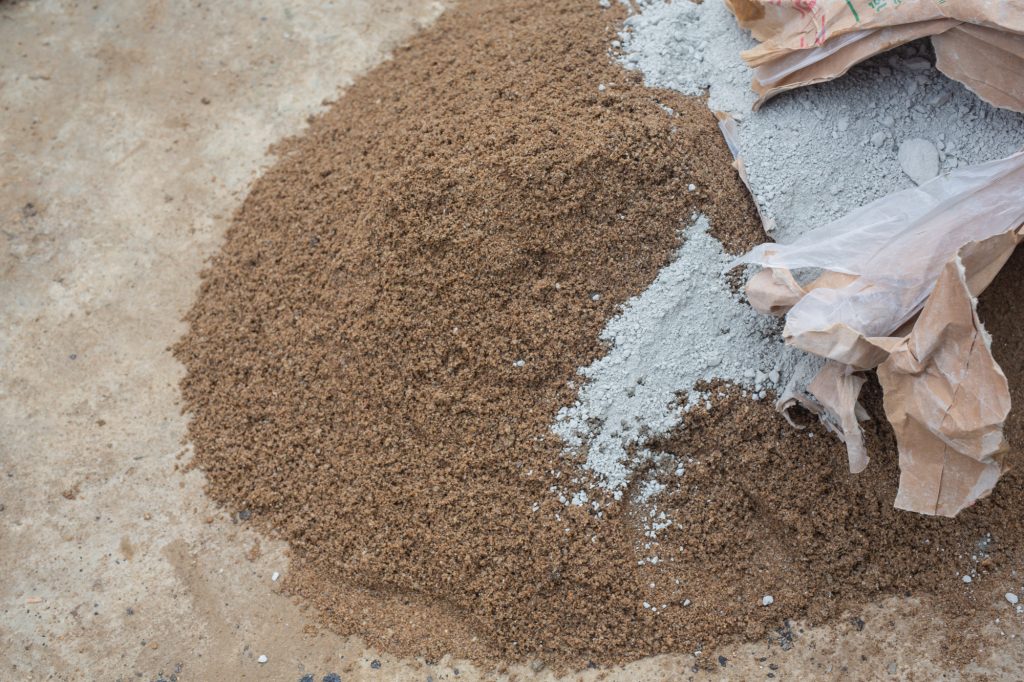
Concrete is essentially cement, sand, and aggregates mixed with water. The proportion in which these ingredients are poured is determined in two ways:
Nominal Mix – A nominal mix is a concrete mixture with pre-determined, fixed proportions of cement, sand, and aggregate, usually specified by a ratio. It’s a simple, volumetric method for general construction projects.
Design Mix – Involves customised proportions determined through lab tests to achieve a specific strength, more like an experimental dish.
Nominal Mix Concrete – Fixed and Familiar
Nominal mix has been used for decades, especially in smaller projects. Concrete Ratios like 1:2:4 (M15), 1:1.5:3 (M20) are extremely common.
Key factors that define nominal mix are:
- Strength assumption – The compressive strength is assumed, not tested before pouring.
- Ease of use – No lab trials needed. Anyone familiar with basic concrete work can prepare it.
- Common grades – Usually M5, M7.5, M10, M15, and M20.
- Best suited for – Small residential work, pathways, flooring, or non-critical RCC elements.
Design Mix Concrete – Tailored to Perfection
For Design mix, the proportions are decided based on the strength the structure will require, the environmental conditions it’ll be exposed to, and the specific properties of materials. It follows IS 10262 and involves lab testing.
In some types of construction, a certain grade is required- the mix is developed in the lab, tested for workability and strength, and only then approved for site use. That’s design mix.
Key factors that define design mix are:
- Required strength – Lab trials ensure the mix meets or exceeds the required compressive strength.
- Effective use of materials – It can reduce cement consumption while still achieving performance.
- Flexibility – Adjusted for workability, durability, and local aggregate quality.
- Common grades – Usually for M25 and above, but can be used for any grade if needed.
- Best suited for – High-rise buildings, bridges, industrial floors, and all critical structural elements.
Design Mix vs Nominal Mix – What Are The Key Differences?
When comparing design mix vs nominal mix, the differences are seen in the following areas:
- Proportion of the Mix: In a nominal mix, the proportioning of materials is fixed by volume, such as the familiar 1:2:4 ratio, whereas in a design mix, proportions are determined through laboratory testing.
- Strength: The strength of a nominal mix is based on the tried and tested formulation, whereas a design mix’s strength is tested in labs and based on actual test results.
- Grade Usage: Nominal mixes are typically used for concrete grades up to M20, while design mixes are generally preferred for grade M25 and above. However, they can also be applied to lower grades in critical structural work.
- Material: In terms of material use, nominal mixes often have more cement than necessary, leading to higher costs and potential shrinkage issues, whereas design mixes are optimised for both performance and economy.
- Application: Nominal mixes suit small-scale, less critical construction, while design mixes are ideal for large-scale or structurally demanding projects.
- Code References: nominal mixes follow the guidelines in IS 456, whereas design mixes are developed under IS 10262.
How to choose?
The long-term strength of the structure depends completely on the mix used and for what it is used.
- Many contractors stick to nominal mixes out of habit. But for large projects and heavy load-bearing structures, relying on the assumption that the fixed formulation will work can be risky. For example, in coastal areas, concrete needs to resist chloride attack from salty air- the design mix can be tailored to counter this.
- Cost: Usually, when using a nominal mix, there is overuse of cement, which ends up being not only costly but also increases the heat of hydration, which can cause cracking. Design mix comes expensive initially, but the strength and durability are unquestionable.
- Consistency: With the design mix, every batch can be tested to ensure quality, reducing surprises after formwork removal, which does not happen in the nominal mix due to its ready formulation.
Some contractors use a hybrid approach- that is, using both mixes- nominal mix for non-structural elements like pavements and levelling, and design mix for structural components such as columns, beams, and slabs. This way, the balance between cost and performance is maintained.
Practical Tips for Choosing Between Design Mix and Nominal Mix
- Check project type – If it’s a load-bearing slab or high-rise column, the design mix is safer. Nominal mix works better for lighter projects.
- Consider Environmental – In high-humidity areas or areas where aggressive chemicals and coastal winds are incessant, go for a design mix.
- Budget – Nominal mix may cost less, but it is often overused, which can increase the cost. Design mix may seem costlier initially due to lab testing, but it can save on cement and repairs later.
- Follow IS codes – IS 456 discourages nominal mixes above M20 for RCC work. Avoid defying the codes.
- Don’t skip curing – Regardless of mix type, poor curing will ruin good concrete.
In the design mix vs nominal mix debate, there’s no universal winner—it depends on the project’s purpose, budget, and required lifespan. But as modern construction standards rise, the design mix is becoming the preferred choice for anything that truly carries the load.
Whether you’re using nominal or design mix, the quality of cement is non-negotiable. JK Super Cement’s JK Super Strong Weather Shield and OPC 53 Grade are designed to perform consistently in both mix types. The method changes, but maintaining strong and reliable cement remains constant.
After all, concrete is the skeleton of your structure. Whether you choose to use the traditional fixed mix or a customised one, ensure the mix supports your vision for decades to come.
FAQs
1. What’s the simple difference between design mix and nominal mix concrete?
Think of nominal mix as your grandma’s “one cup sugar, two cups flour” recipe—fixed ratios, no experiments. Design mix, on the other hand, is like a chef weighing every ingredient to get the exact flavour and texture he wants. In construction terms, nominal mix uses fixed volume proportions (like 1:2:4), while design mix is worked out in a lab to meet a specific strength and durability target.
2. Is the design mix stronger or a nominal mix?
In the design mix vs nominal mix debate, design mix usually wins on strength because it’s tested and tweaked before use. Nominal mix strength is assumed, which works fine for small jobs but isn’t reliable for high-load structures.
3. Where is the nominal mix still used?
You’ll often see nominal mixes in small-scale work like courtyards, flooring, and simple boundary walls, where the stakes aren’t very high.
4. When should I use a design mix?
Any time the concrete has to bear a serious load or needs to last decades without trouble, such as bridges, high-rise columns, and flyovers, a design mix is the way to go. It’s not just about strength; the mix can be fine-tuned for workability, durability, and even resistance to harsh conditions.