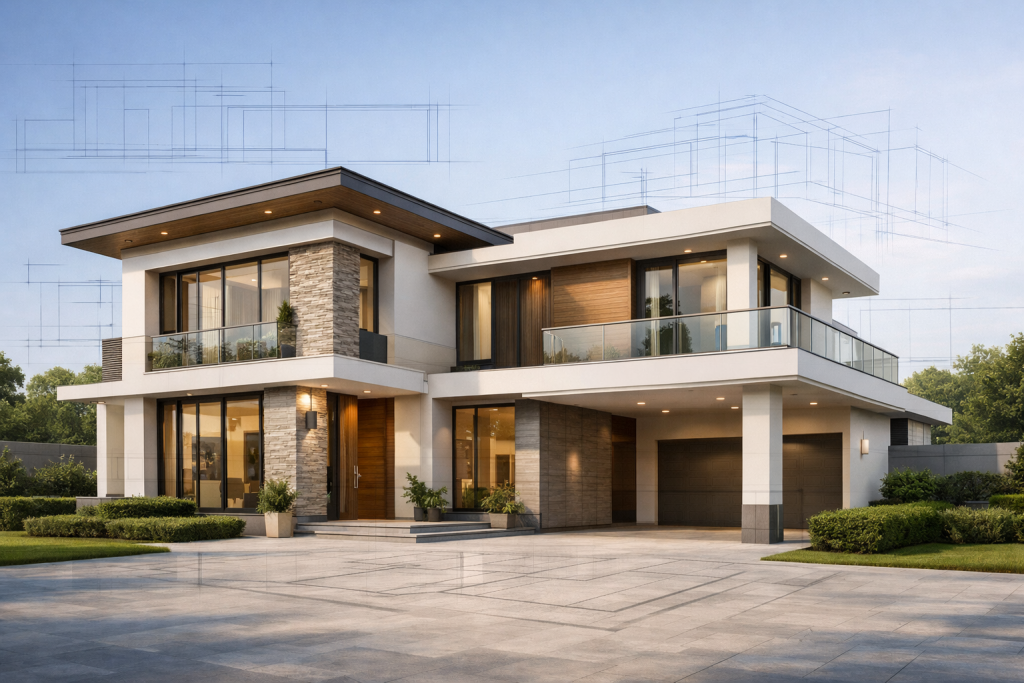
Building a house is often described as a dream. On site, it feels more like a long conversation – between you, the land, the budget, the climate, and the people who will live inside those walls every day.
Most homeowners start with Pinterest boards and elevation design photos. That’s fine. But before tiles, colours, or fancy lighting, one thing decides whether a house will feel comfortable for decades or frustrating within a few years: Architectural design.
Good architectural design isn’t about making a house look impressive from the outside. It’s about making daily life easier on the inside. And that’s something every homeowner should understand before the first brick is laid.
Architecture Is Not Just Looks; It’s Logic
Many people think architectural home design is only about how the house looks. In reality, it’s closer to planning a well-run kitchen. If the sink, stove, and storage are poorly placed, cooking becomes tiring. The same applies to a house. Architectural designs for houses deal with things like:
- How sunlight enters the rooms
- Where air flows naturally
- How movement happens from one space to another
A well-thought-out architecture building design ensures bedrooms don’t heat up unnecessarily, kitchens get proper ventilation, and living spaces feel open without being wasteful.
These decisions look invisible on paper but are felt every single day.
Understanding Your Plot Comes Before Any Design
One common mistake homeowners make is finalising architectural designs for houses before fully understanding the plot. Things to consider are:
- Every site has a personality.
- Road width
- Direction
- Neighbouring buildings
- Soil condition
Good architectural design adapts to the plot instead of fighting it. For example, west-facing plots need protection from harsh evening sun. Narrow plots need smarter circulation planning. Corner plots allow better ventilation if used correctly.
A sensible architectural home design works with the land, not against it.
Space Planning Matters More Than Square Footage
Bigger homes don’t always feel better to live in. Better-planned homes do. This is where architectural design quietly earns its respect.
A 1,200 sq. ft. house can feel more comfortable and look more aesthetic when planned smartly than a poorly planned 2,000 sq. ft. house. Architecture building design focuses on:
- Clear circulation paths
- Proper room proportions
- Avoiding dead corners and wasted passages
Architectural designs for houses should support daily habits – morning routines, cooking flow, privacy, and rest – not just impress visitors.
Light and Ventilation Are Non-Negotiable
No amount of interior décor can fix a dark, stuffy house. One of the most critical architectural design basics is planning for natural light and ventilation. This affects mood, electricity bills, and long-term comfort.
Good architecture home design ensures:
- Cross ventilation in living areas
- Morning light in bedrooms
- Controlled light in workspaces
Architectural designs for houses that ignore light often rely heavily on artificial lighting later, increasing costs and discomfort. This is one reason experienced architects obsess over window placement, not just window size.
Structure and Design Must Speak to Each Other
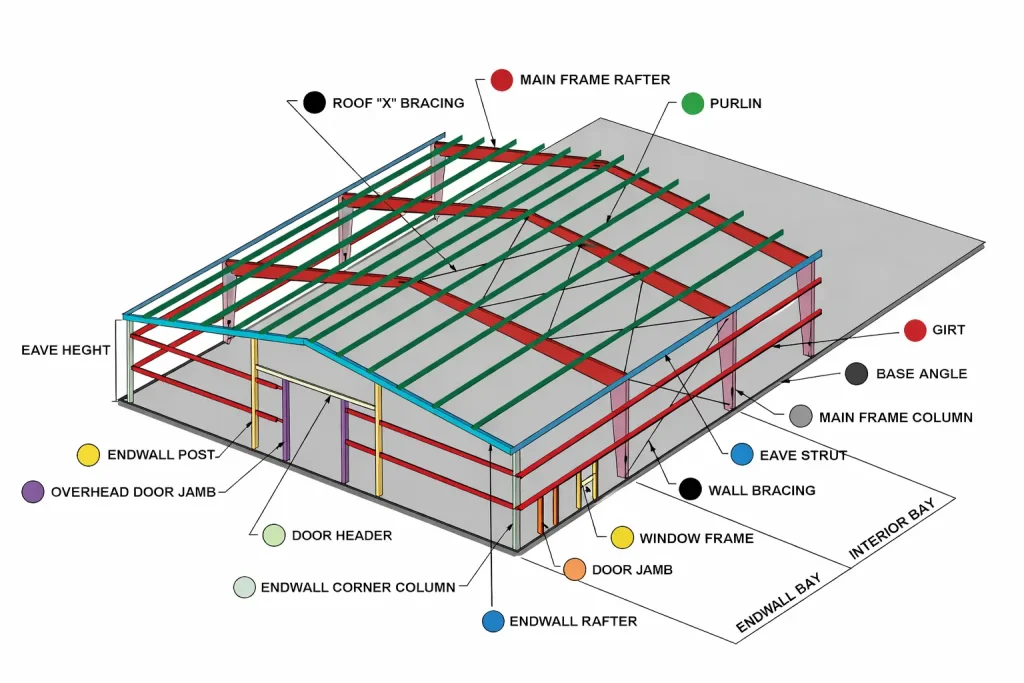
Many homeowners separate structure and design, assuming one is “engineering” and the other is “looks”. That’s a costly misunderstanding. Architectural building design works best when structural planning and layout happen together.
- Column placement affects room flexibility.
- Beam depth affects ceiling height.
- Slab design impacts future changes.
When architectural design and structure are aligned early, the house ages better and allows flexibility later. Many builders and designers prefer JK Super Cement because its consistent strength and variations work excellently for all applications- slabs, beams, and columns support the design, without surprises later on.
Interior Design Is Not Decoration Alone
Architectural interior design is often misunderstood as choosing furniture and colours. In reality, it starts much earlier.
Interior planning influences:
- Wall thickness
- Electrical points
- Storage niches
- Ceiling heights
Good architecture and interior design ensure wardrobes don’t block circulation, kitchens don’t feel cramped, and bathrooms feel comfortable, not boxed in.
When architectural design and interior design move together, the home feels cohesive instead of patched together.
Technology Is Changing How Homes Are Designed
Today, many homeowners explore online architecture design before even meeting an architect via digital models, virtual walkthroughs, and 3D plans. These innovations help the homeowner visualise spaces as they would look finally. Online architecture design is useful, but it should guide decisions – not replace professional judgement. Climate, local regulations, and site conditions still need on-ground understanding.
Used correctly, online architecture design becomes a helpful tool, especially for early clarity.
Budget Control Is Part of Good Design
Contrary to popular belief, good architectural design doesn’t increase cost. Poor planning does.
Architectural designs for houses that are clear and practical help control:
- Construction waste
- Rework
- Future modification costs
Simple forms, logical layouts, and standard sizes often save more money than complex shapes.
A good architectural home design respects the budget without making the house feel cheap.
Think Long-Term
A house should work for you today- and just as brilliantly, ten years later.
Good architectural design considers:
- Future family needs
- Ageing parents
- Possible work-from-home spaces
- Maintenance ease
Architectural building design that thinks long-term reduces regret later. Using proven materials like JK Super Cement supports durability, especially where architectural building design relies on load-bearing capacity, flexibility and future renovations.
The goal isn’t to build fast. It’s to build right.
Architectural design isn’t something to rush through or leave entirely to others. When homeowners understand the basics, conversations with architects become clearer, decisions become smarter, and mistakes are drastically reduced.
A well-designed home doesn’t shout for attention. It quietly supports life, every single day. That’s the real power of good architecture.
FAQs
1. Is architectural design necessary for small houses?
Yes. Smaller homes benefit even more from smart architectural design because space efficiency matters more.
2. Can I change the design during construction?
Yes, you can, but keep in mind that it can affect your budget and structure. It’s best to finalise architectural designs for houses early.
3. Does online architecture design replace an architect?
No. Online architecture design only helps visualise the specifications. It’s like a ballpark figure- not the actual one.
4. How much time should design take before construction?
Ideally, enough time to review layouts, light, ventilation, and structure—rushing leads to long-term issues.
5. What is the most made design mistake?
Prioritising elevation looks over layout functionality.
6. How can I ensure my house ages well?
Choose simple architectural design, flexible layouts, and materials that are easy to maintain.