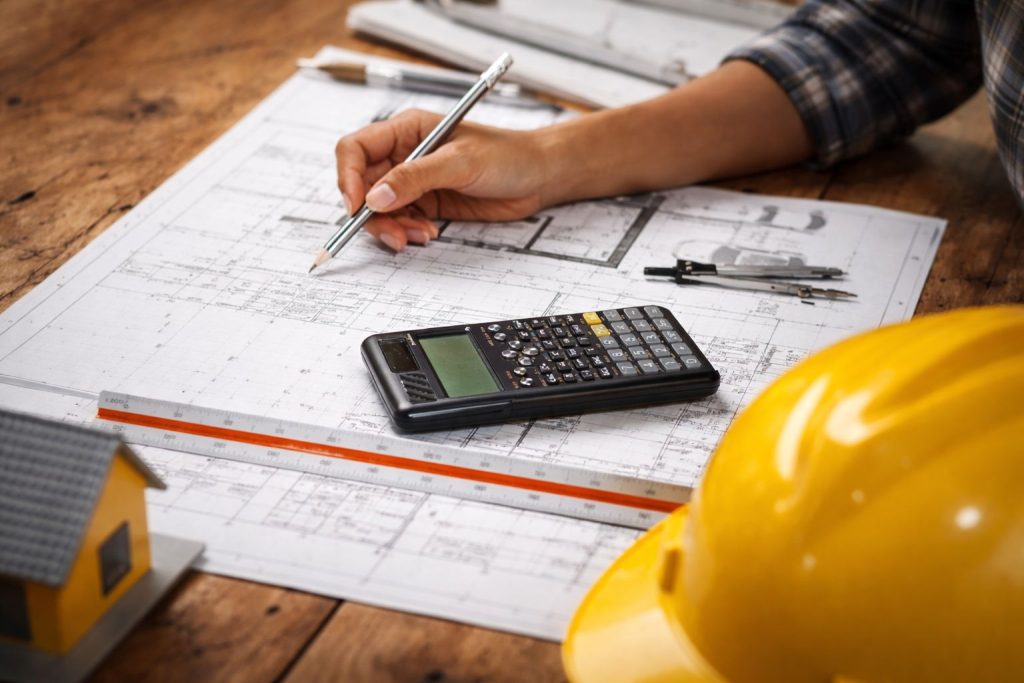
Let’s be real: When you dream about building a home, one question rings loudest—How much is it going to cost? If you’ve ever chatted with architects, walked through showrooms in Pune, or grilled your contractor in Bengaluru, you know the magic number everyone talks about is the construction cost per sq ft. But the actual price isn’t one-size-fits-all. In fact, it’s influenced by more variables than you might think.
Today, I’ll break down how to estimate your construction costs per square foot, explain what these figures really mean on the ground, and share my own lessons from the field—backed by hard data and practical, regionally grounded advice. Whether you’re planning a luxury villa in Hyderabad or a starter home in Coimbatore, you’ll leave here with a rock-solid sense of what to expect.
What Is Construction Cost Per Sq Ft—and Why Does It Matter?
At its core, construction cost per sq ft simply means the total money required to build one square foot of covered space in your home. Sounds straightforward, but here’s the catch: This number is your budgeting compass, fallback measure for negotiating with builders, and insurance against nasty surprises.
Why does everyone use it?
- It’s easy to compare different quotes,
- It helps plan large projects (think: budgeting for a duplex vs. compact flat),
- Banks and lenders use this metric for loan disbursal.
A quick aside—I’ve seen new homeowners in Mumbai budget everything by this figure, right down to the last tile.
How Do You Calculate Construction Cost Per Square Foot?
Here’s the step-by-step process I follow (and what you should expect from any serious contractor):
- Total Estimated Cost: Add up all direct and indirect construction expenses (materials, labor, contractor fees, utilities, professional charges).
- Built-Up Area: Calculate the total square footage (includes carpet area plus walls, balconies, staircase, etc.).
- Divide & Conquer:
- Construction cost per sq ft = Total Estimated Cost ÷ Built-Up Area
Let’s say you’re building a 1,500 sq ft home:
- Total construction cost: ₹30 lakhs
- Built-up area: 1,500 sq ft
- Cost per sq ft: ₹30,00,000 ÷ 1,500 = ₹2,000 per sq ft
Here’s a quick table for reference:
| Home Size | Estimated Cost (₹) | Cost per Sq Ft (₹) |
| 1,000 sq ft | 18,00,000 | 1,800 |
| 2,000 sq ft | 36,00,000 | 1,800 |
| 3,000 sq ft | 60,00,000 | 2,000 |
What Factors Influence Construction Cost Per Sq Ft in India?
Honestly, every builder will give you a slightly different quote. Here’s why:
- Location, location, location: Metro cities are pricier—Hyderabad and Pune differ by almost ₹500–700 per sq ft because of labor rates.
- Material quality: Premium floors (marble, imported tiles) and branded fixtures (Jaquar, Kohler) push costs up fast.
- Architectural design: Complex structures, fancy facades, or non-standard shapes cost at least 15–25% extra.
- Labor rates: Skilled labor costs more in Mumbai or Bengaluru than in tier-2 cities.
- Contractor reputation: Well-established teams may quote 10–20% higher for reliability.
- Market fluctuations: Steel, cement, and sand prices swing with demand, especially during festival and harvest seasons.
- Regulatory and land factors: Approvals, compound wall, and utility connections can add ₹50,000–₹2,00,000 easily.
Having a local expert in your city scan material and labor rates before you start can save you huge headaches down the line.
What Are the Latest Per-Square-Foot Rates in Major Indian Cities?
Rates for 2026 (rounded for clarity):
| City | Standard Quality (₹/sq ft) | Premium Quality (₹/sq ft) | Economy Quality (₹/sq ft) |
| Mumbai | 2,700–3,800 | 3,500–5,000+ | 2,200–2,800 |
| Bengaluru | 1,800–2,800 | 2,500–4,200 | 1,400–2,000 |
| Delhi NCR | 2,200–3,000 | 3,000–4,500 | 1,600–2,300 |
| Chennai | 1,700–2,500 | 2,600–4,000 | 1,400–2,100 |
| Hyderabad | 1,600–2,500 | 2,400–3,800 | 1,200–1,800 |
| Pune | 1,600–2,300 | 2,200–3,500 | 1,200–1,600 |
Rates change often—always confirm with your local builder or architect before starting.
How Do Quality Levels Affect Your Building Cost?
In India, you’ll hear builders toss around words like “basic,” “standard,” and “luxury.” Here’s what those mean:
- Basic Construction: Everyday, functional finish (concrete floors, standard doors).
- ₹1,200–1,400 per sq ft
- Standard Construction: Good-quality tiles, modular kitchen, branded fittings.
- ₹1,500–2,200 per sq ft
- Premium/Luxury: Imported materials, high-end brands, advanced tech, custom design.
- ₹2,500–4,500+ per sq ft
Layer in:
- Compound walls, landscaping: add ₹50–₹300 per sq ft
- Smart home automation: ranges ₹400–₹800 per sq ft
- Basement or complex structures: extra 25%–50%
Don’t assume the lowest quote gives you good value. Sometimes paying a bit more ensures durability and comfort.
Are There Hidden Costs to Watch Out For?
Now, here’s the stuff that caught my Bengaluru friend off guard:
- Utility connections (water, electricity, sewage): ₹50,000–2,00,000
- Compound wall: ₹1,00,000–3,00,000
- Elevators, if required: ₹3,50,000–8,00,000
- Parking, landscaping, gates: ₹75,000–2,00,000
- Interior finishing (modular kitchen, wardrobes): 25–40% extra
Statutory fees, taxes (GST on construction services/materials), and mandatory insurances might add an extra 3–5% to your total budget.
Always set aside a contingency fund—minimum 10–15% of total cost—for last-minute changes or emergencies.
How Can You Keep Costs Under Control While Building?
Trust me, keeping a lid on your budget isn’t just about saying “no” to marble countertops.
- Get Detailed Quotes: Split costs into civil, finishing, MEP (mechanical, electrical, plumbing), landscaping.
- Milestone-based Payments: Never advance more than 20% up front. Pay after key stages—foundation, superstructure, finishing.
- Track Material Prices: Ask for GST bills. Compare local vs. branded suppliers.
- Plan During Right Season: Avoid monsoon construction, as delays equal cost overruns.
- Document Changes: All modifications in design increase cost—capture each in a signed order.
- Hire Local Experts: Save on travel, logistics, and emergency fixes.
Sometimes, spending on quality today saves far more in repairs tomorrow.
FAQs
1. What is the average construction cost per sq ft for a house in India in 2026?
For a standard mid-range home, expect between ₹1,500 and ₹2,500 per sq ft. Premium builds with imported materials or custom designs can cross ₹4,000–4,500 per sq ft, while budget builds in smaller towns may start around ₹1,200 per sq ft.
2. Why does the cost of construction per sq ft vary between cities like Mumbai, Bengaluru, and Coimbatore?
Labor wages, material prices, and local regulatory fees differ drastically. For example, cement and sand cost more in landlocked cities like Bengaluru compared to port cities like Chennai. Mumbai adds Coastal Regulation Zone compliance and higher labor charges. Smaller towns usually have cheaper labor but sometimes limited skilled manpower.
3. How do I calculate the construction cost per square foot for my own house?
Take the total estimated project cost—including materials, labor, approvals, and contractor fees—and divide it by the built-up area. Built-up area includes carpet area, walls, balconies, and staircases. Always double-check if your builder’s “per sq ft” estimate is based on carpet or built-up area.
4. Is the contractor’s per sq ft rate a reliable way to estimate my total budget?
Not always. Many contractors quote only the core civil work in their per sq ft rate, excluding plumbing, electrical, compound walls, or interiors. Always request a breakup of inclusions and exclusions before comparing rates.
5. How do different quality levels (basic, standard, luxury) impact the per sq ft cost?
- Basic finishes (cement flooring, standard doors) = ₹1,200–1,400/sq ft.
- Standard homes (tiles, modular kitchens, branded fittings) = ₹1,500–2,200/sq ft.
- Premium homes (marble, teakwood, smart automation) = ₹2,500–4,500+/sq ft.
Additional features like basements, elevators, or landscaping can push it higher.
6. What hidden costs should I prepare for beyond the per sq ft estimate?
Many homeowners get surprised by extras like compound walls, water and electricity connections, approval fees, GST, and interior finishes. These can add 15–25% over the “basic” per sq ft cost your contractor quotes. Always keep a 10–15% buffer fund.
7. How often do construction costs per sq ft change in India?
Material prices like steel and cement fluctuate every few months due to seasonal demand and global supply chains. Labor rates also climb steadily. If your project stretches across years, expect costs to rise 5–10% annually.
8. Can I reduce my construction cost per sq ft without compromising quality?
Yes. Use locally available materials, plan a simple rectangular layout (instead of complex designs), buy bulk materials early to avoid price hikes, and avoid frequent design changes once work begins.
9. Which season is the most cost-effective for construction in India?
Post-monsoon months (October–March) are usually best. Materials stay safe in storage, labor productivity is higher, and delays are fewer. Building in peak summer or monsoon often leads to overruns that increase per sq ft cost.
10. How do approvals and government fees affect my construction cost per sq ft?
Statutory costs like plan sanctions, land-use conversion, utility NOCs, and GST typically add ₹50,000–2,00,000 or about 3–5% of your total project cost. In cities like Delhi and Mumbai, stricter by-laws can push this higher.
11. Should I budget interiors and finishes separately from the construction cost per sq ft?
Yes. Core construction may cost ₹1,800/sq ft, but once you add interiors like modular kitchens, wardrobes, and premium lighting, the effective cost can rise to ₹2,500–3,000/sq ft. Always budget interiors as a separate line item.
12. Is building in a smaller town really cheaper than metros in terms of per sq ft cost?
Generally yes, because labor is cheaper and land approvals are simpler. But be careful: availability of skilled masons, architects, and high-quality materials may be limited, meaning longer timelines or higher transport costs.
Conclusion
Estimating your construction cost per sq ft isn’t just a math exercise—it’s your toolkit for building smart, staying on budget, and getting the home you really want. Remember to dig into the details, plan for contingencies, and lean on local experts for honest advice. Ready to get a personalized estimate? Explore our calculators, city-specific guides, and cost-control tips—or send in your cost-related questions.