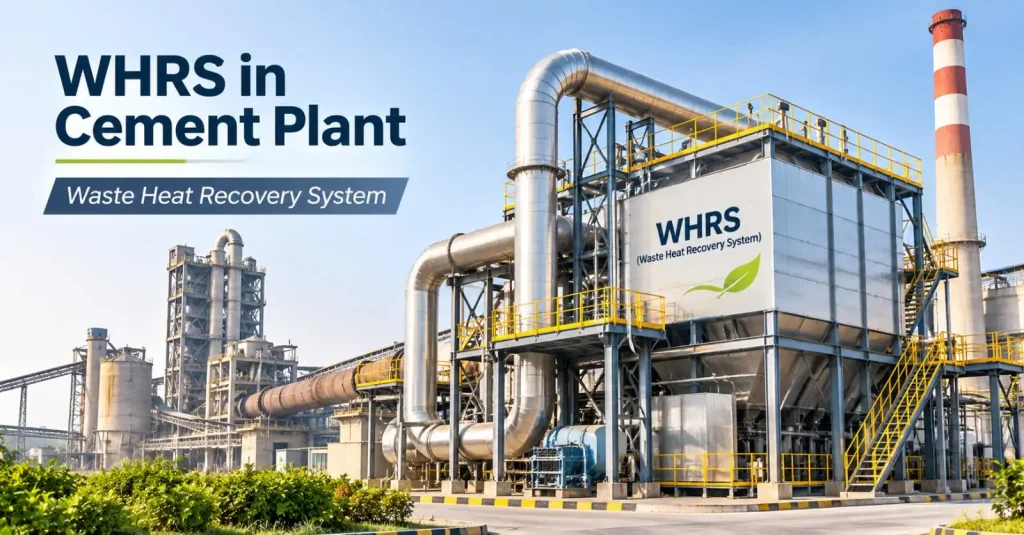
WHRS full form is waste heat recovery system. It captures heat from hot exhaust gases that generate when clinker is produced. This heat further produces electricity.
Cement manufacturing needs a lot of thermal energy. Much of that heat leaves the kiln and clinker cooler through exhaust gases. A WHRS recovers a portion of this otherwise wasted energy and puts it to work.
The result? The following are some of the benefits of WHRS in cement plants:
- Lower dependence on external electricity
- Better energy efficiency
- Reduced indirect carbon emissions
Understanding WHRS Meaning in Cement Manufacturing
Walk through a cement plant during production, and you will notice something immediately. Heat is everywhere. The kiln runs at extremely high temperatures. The cement clinker cooler handles material that has just left the kiln. Hot gases move through the system as part of the manufacturing process.
All this heat serves a purpose, but not every bit of it goes into making clinkers. Some escape through exhaust gases. That is where a waste heat recovery system comes in.
The plant captures part of the thermal energy and converts it into useful electrical energy. However, remember that WHRS is not the replacement of the kiln. It makes better use of the energy consumed by the plant.
How Does WHRS Work in a Cement Plant?
Given below is a step-by-step guide on how WHRS work in a cement plant:
- Hot Exhaust Gases Carry Heat
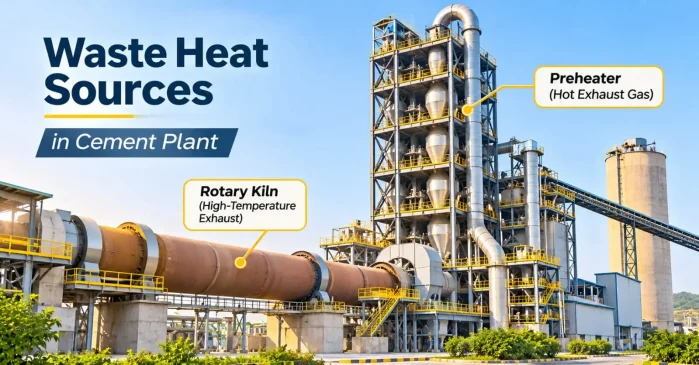
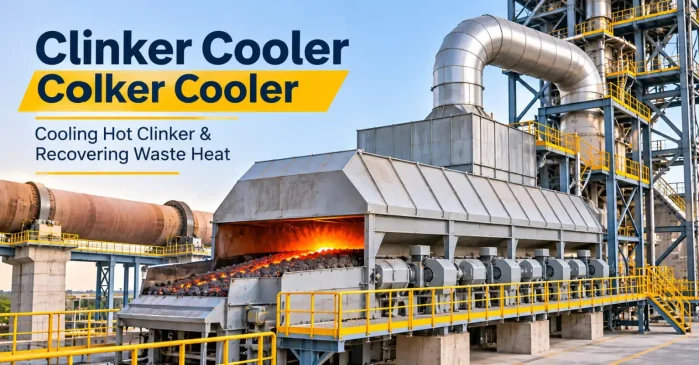
The kiln and preheater release hot gases when clinker is produced. The clinker cooler also produces hot air. This is because it makes the clinker cool. These streams contain thermal energy that is recoverable.
- Waste Heat Boilers Capture the Energy
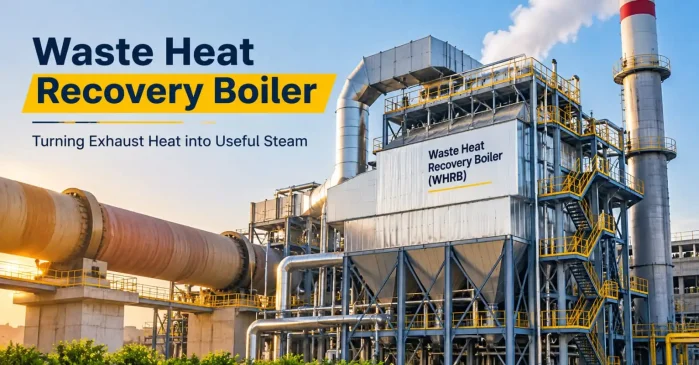
The hot gases pass through waste heat recovery boilers, commonly installed at suitable points in the preheater exhaust and clinker cooler exhaust circuits. The boilers transfer heat from the gases to water. This produces steam without the need of a separate fuel source.
- Steam Drives a Turbine
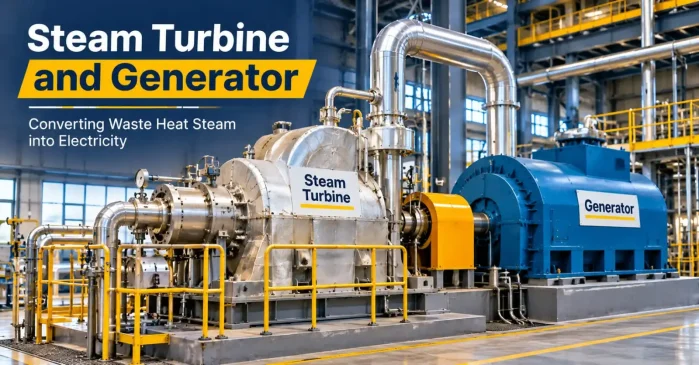
The generated steam flows to a steam turbine. As the steam expands through the turbine, it rotates the turbine shaft. The shaft drives a generator, which produces electricity.
- Power Supports Plant Operations
The recovered electricity supply is part of the plant’s power demand. Cement plants use electricity for the following applications:
- Fans
- Conveyors
- Crushers
- Mills
- Other production systems
Some electricity can be offset with WHRS electricity so that the plant does not purchase or generate separately.
- The Steam-Water Cycle Continues
Steam enters a condenser or another suitable downstream when it leaves the turbine. The condensate returns to the feedwater system. This cycle continues.
What Are the Main Benefits of WHRS in Cement Plants?
Given below are the benefits of WHRS in cement plants:
- Lower Electricity Costs
Electricity is a significant operating expense in cement manufacturing. The actual savings depend on the following:
- Recovered power
- Electricity tariffs
- System operating costs
The plant reduces its reliance on purchased electricity when WHRS supplies part of the plant’s power demand.
- Better Energy Efficiency
A conventional cement production line releases some usable heat through exhaust streams. WHRS captures a portion of that energy and converts it into electricity.
- Reduced Carbon Emissions
Recovering waste heat can reduce indirect emissions when the produced electricity replaces power from a more carbon-intensive grid. The overall benefit depends on the below factors:
- Grid’s emissions intensity
- WHRS performance
- Operating conditions of the plant
The system does not eliminate the direct carbon emissions. It is highly popular in the case of limestone calcination.
- Less Dependence on External Power
A WHRS helps meet part of the internal electricity requirement of the plant. It improves energy resilience. However, the contribution of the system varies as per the production condition and the availability of recoverable heat.
- Support for Sustainability Targets
Cement manufacturers are under increasing pressure to improve resource efficiency and reduce emissions. WHRS offers a practical way to recover energy that would otherwise leave the production process unused.
The Final Words
In cement manufacturing, efficiency often comes down to what a plant does with the resources it already has. A kiln cannot operate without heat, but that does not mean every unit of thermal energy should go to waste. WHRS helps close that gap. It recovers part of the energy leaving the process and puts it back to work. For a sector where energy costs and carbon emissions both matter, that is a practical improvement worth paying attention to.
FAQs
1. What is the full form of WHRS?
WHRS stands for Waste Heat Recovery System. In cement plants, it captures heat from hot exhaust gases and uses it to generate electricity, helping improve energy efficiency and reduce wasted heat.
2. Why is WHRS important in a cement plant?
WHRS helps cement plants recover energy that would otherwise escape through exhaust gases. It reduces reliance on external electricity, improves energy efficiency and can help lower electricity-related operating costs.
3. How does WHRS generate electricity?
A WHRS uses waste heat boilers to convert heat from hot exhaust gases into steam. The steam drives a turbine connected to a generator, which produces electricity for use in the cement plant.
4. Where does WHRS recover heat in a cement plant?
In a cement plant, WHRS mainly recovers heat from preheater exhaust gases and hot air from the clinker cooler. These high-temperature streams provide the thermal energy needed to produce steam and generate electricity.
5. Does WHRS reduce carbon emissions?
Yes, WHRS can reduce indirect carbon emissions when its electricity replaces more carbon-intensive grid power. However, it does not eliminate direct CO₂ emissions from clinker production, which mainly arise from limestone calcination and fuel combustion.