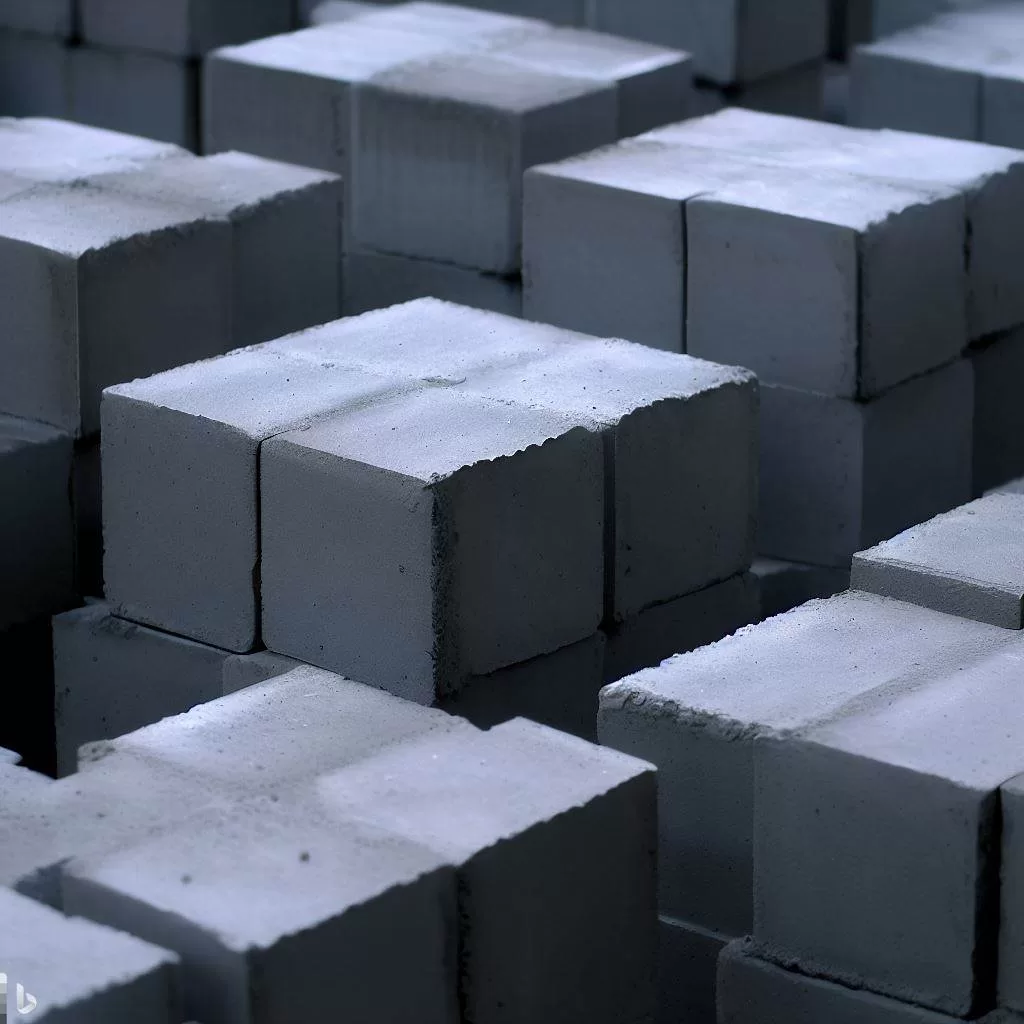
Constructing a building requires immense time and resources and once the structure is built, the general expectation is that it lasts for a significant amount of time. Various materials go into constructing a building, one of the most important being concrete. Concrete is what gives the structure longevity. It has an unyielding nature that makes it resistant to rusting, erosion, weathering and other natural phenomena. What’s more, studies have shown that the strength of concrete tends to increase with time. You can find all information about what concrete is, its components, grades and types, etc., below.
Concrete – Definition
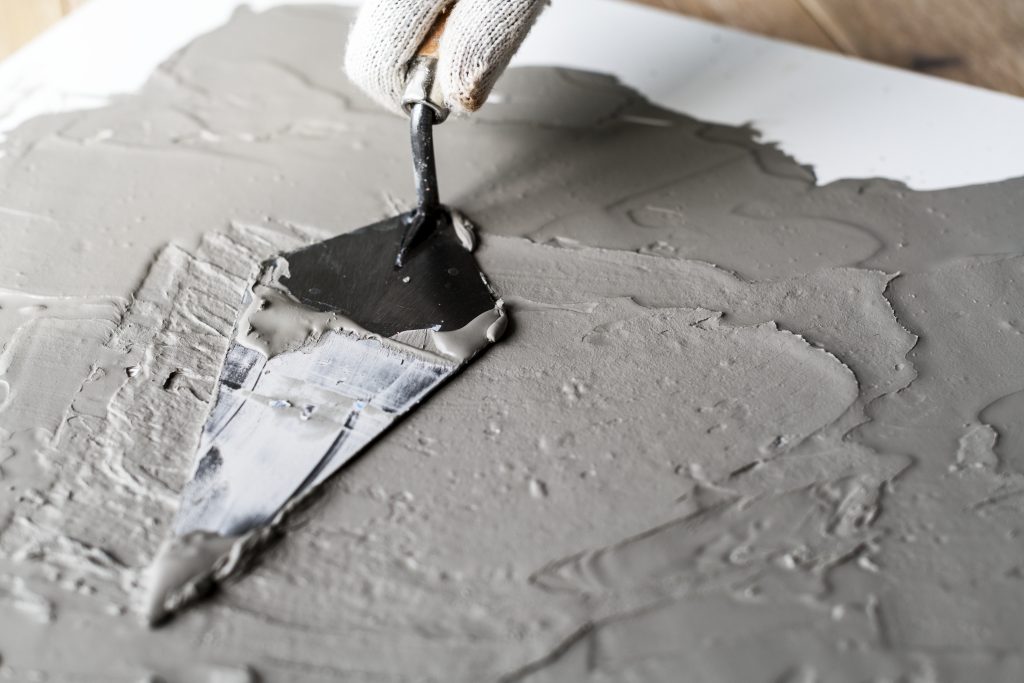
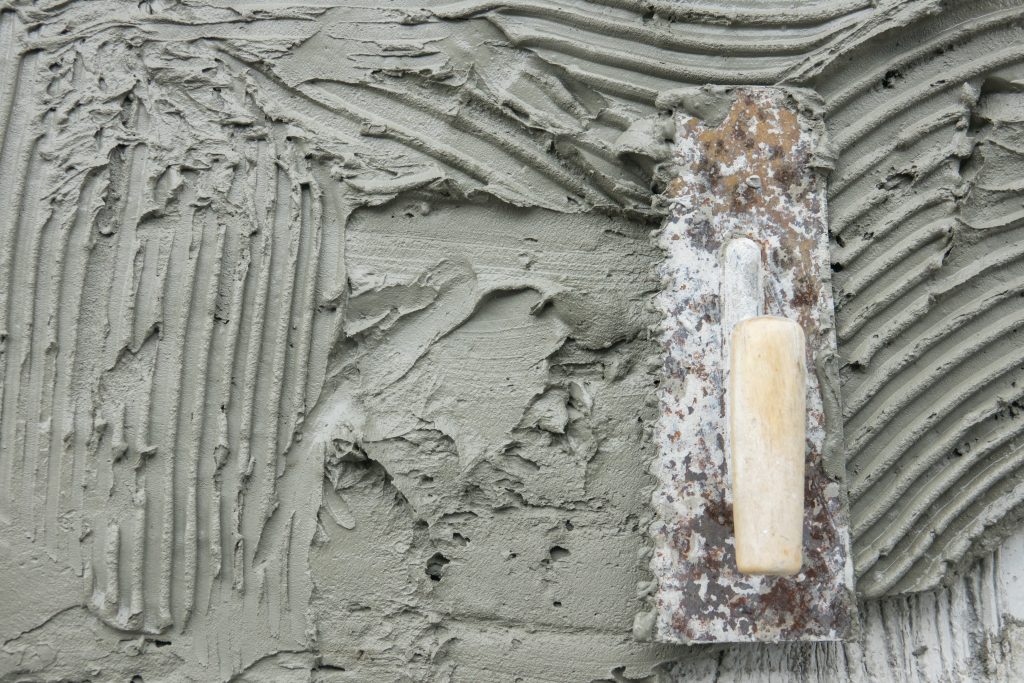
Concrete is a mixture of several raw materials such as cement, aggregates (sand, gravel or rocks) and water. Cement is a binding material that gives concrete its hardening properties. When the concrete is freshly mixed, it is malleable and can be moulded into almost any shape. When the concrete hardens, it becomes durable. The durability and strength of concrete coupled with its relatively low cost is the reason why it is the backbone of construction.
How is Concrete Made?
Now that you know the meaning of concrete, let’s break down the process of making concrete:
The Ingredients
- Portland Cement
Portland cement is the most commonly used cement worldwide. Calcareous materials made up of limestone, clay, shale, silica, iron oxide and alumina are crushed and heated together in a kiln to form clinker. Clinker are marble-sized pebbles that are finely ground to form Portland cement.
- Aggregate
Aggregates can be fine or coarse. They typically comprise natural sand, fine crushed stones or gravel. Natural gravel is sourced from rivers, lakes and seabeds. Quarry rocks, boulders and cobbles are crushed to form such aggregates. The aggregate’s durability, shape, size, surface texture, abrasion and surface moisture determine the quality of concrete. Aggregates make up 70% to 80% of the concrete.
- Water
When concrete is mixed with cement, it forms a paste that binds the aggregate. A chemical process called hydration causes the components in the cement to form chemical bonds with water molecules. This produces hydrates or hydration products. Water causes the concrete to harden. Too much water results in weak concrete and too little makes concrete unworkable. Hence, the right ratio of cement and water is critical.
The Process
The process of making concrete is simple — mix water, cement and aggregates. However, the most important aspect is the cement-to-water ratio. This ratio impacts tensile strength, flexural strength, shrinkage and porosity.
After the concrete has been mixed thoroughly, it is placed into moulds to create foundations, slabs and beams. After pouring the concrete, sufficient time must be allowed for curing. The curing process involves chemical reactions that give concrete its characteristic strength.
Types of Concrete
Concrete can be of numerous types. Below mentioned are a few:
- Normal Strength Concrete
Normal strength concrete is a combination of cement, aggregate and water in the 1:2:4 ratio. Structures that don’t require high tensile strength like pavements can be made using this type.
- Reinforced Cement Concrete (RCC)
RCC gets its strength from steel rods, wires and cables placed before setting to enhance tensile strength. It is used in tall buildings, bridges and dams.
- Ferro Concrete
Ferro concrete uses chicken wire mesh as reinforcement and is used in pipes, slabs and manhole covers.
- Plain Concrete
Plain concrete has no reinforcements and is used in grade slabs and concrete blocks.
- Prestressed Concrete
Bars and tendons are stressed to improve load capacity and deflection resistance. Used in high-rise buildings and bridge decks.
- Precast Concrete
Precast structures are manufactured off-site and assembled at the construction location.
- Lightweight Concrete
Used to reduce structural weight in long-span bridge decks and building blocks.
- High-Density Concrete
Made using heavy aggregates and used in atomic power plants to resist radiation.
- Polymer Concrete
Cement is replaced by polymer to reduce porosity.
- Limecrete
Lime is used instead of cement to bind lightweight aggregates.
Know which type of concrete is needed for your house construction. Contact JK BuildXpert.
Grades of Concrete
Grade of concrete is the compressive strength it must achieve after 28 days of setting.
| Group | Grade | Compressive Strength (28 Days) |
|---|---|---|
| Ordinary Concrete | M10 | 10 N/mm² |
| M15 | 15 N/mm² | |
| M20 | 20 N/mm² | |
| Standard Concrete | M25 | 25 N/mm² |
| M30 | 30 N/mm² | |
| M35 | 35 N/mm² | |
| M40 | 40 N/mm² | |
| M45 | 45 N/mm² | |
| M50 | 50 N/mm² | |
| M55 | 55 N/mm² | |
| High Strength Concrete | M60 | 60 N/mm² |
| M65 | 65 N/mm² | |
| M70 | 70 N/mm² | |
| M75 | 75 N/mm² | |
| M80 | 80 N/mm² |
Properties of Concrete
- Strength
- Compressive Strength: Ability to withstand heavy loads.
- Tensile Strength: Resistance to pulling forces.
- Flexural Strength: Resistance to bending.
- Shear Strength: Resistance to sliding forces.
- Workability: Ease of mixing and placing without segregation.
- Consistency: Flowability measured using slump test.
- Segregation: Separation of materials affecting strength and durability.
Benefits of Concrete in Construction
- Cost-effective and low maintenance
- High durability and strength
- Can be moulded into any shape
- Uses recycled materials
- Low energy consumption
- Resistant to moisture, corrosion and temperature changes
Conclusion
Concrete’s strength and durability depend heavily on the correct mix ratio and cement quality. Selecting high-quality cement ensures better strength, proper setting time and long-term performance.
Provide strength and durability to your concrete structures with our range of JK Cement.
FAQs
1. What does concrete workability mean?
Concrete workability describes how easily freshly mixed concrete can be placed without losing homogeneity.
2. What is the compressive strength of concrete?
It is the ability of concrete to withstand loads without cracking.
3. What is curing of concrete?
Curing is maintaining moisture and temperature to allow strength development.
4. For how long should I cure concrete?
Concrete generally reaches most of its strength within 28 days.
5. What is concrete?
Concrete is a mixture of cement, sand, aggregates and water that hardens into a strong structural material.
6. What is the difference between concrete and cement?
Cement is a binding ingredient, while concrete is the final product made using cement, aggregates and water.
7. Why is concrete used in construction?
It provides high strength, durability and fire resistance.
8. What are the main types of concrete?
PCC, RCC, RMC, Prestressed Concrete and Self-Compacting Concrete.
9. Which concrete grade is best for house construction?
M20 is suitable for residential use; M25 is preferred for structural elements.
10. How long does concrete take to set?
Initial setting occurs within 24 hours; full strength develops in 28 days.
11. Is concrete stronger than steel?
Concrete is stronger in compression, steel in tension.
12. Is concrete waterproof?
Concrete is not fully waterproof but can be improved with additives and coatings.
13. What affects the quality of concrete?
Water–cement ratio, aggregate grading, mixing, compaction and curing.
14. How long do concrete structures last?
Well-maintained concrete structures can last 50–100 years or more.