When you step onto your home, there’s a sense of safety, security and strength you feel – made possible by something you probably rarely think about: the slab under your feet. That slab, chunky and seemingly ordinary, holds your home together. One of the unsung heroes of its strength is the quality of the cement used in its construction.
This blog will take you through the unseen world of cement and explain why the right cement quality matters so much for slab durability. Knowing how to spot good cement with a basic cement quality check and the subtle art of picking the best cement for a slab can make all the difference.
Slabs: The Home’s Foundation Layer
Think of a slab as the filling in a sandwich: your flooring is the top slice, the sub-base is the bo…” with “Please rewrite it as the above description is of grade slab not for Slab.
Why Cement Quality Matters
Cement is essentially the glue in concrete. It holds coarse aggregates and sand together once it reacts with water, a process called hydration. But not all cements are created equal. Good cement quality means:
- Consistent strength to hold the slab together.
- Proper setting time – too fast can cause cracks, and too slow can lead to delays.
- Resistance to wear, weather, and moisture
Pick the wrong cement, and your slab may face premature ageing.
Using a low-quality cement, at first, may look fine. But after six months of monsoons, the surface will start flaking, and then cracks will appear. This can happen if the cement has too much limestone filler and doesn’t bind well — a failure in cement quality that cannot withstand daily wear and tear.
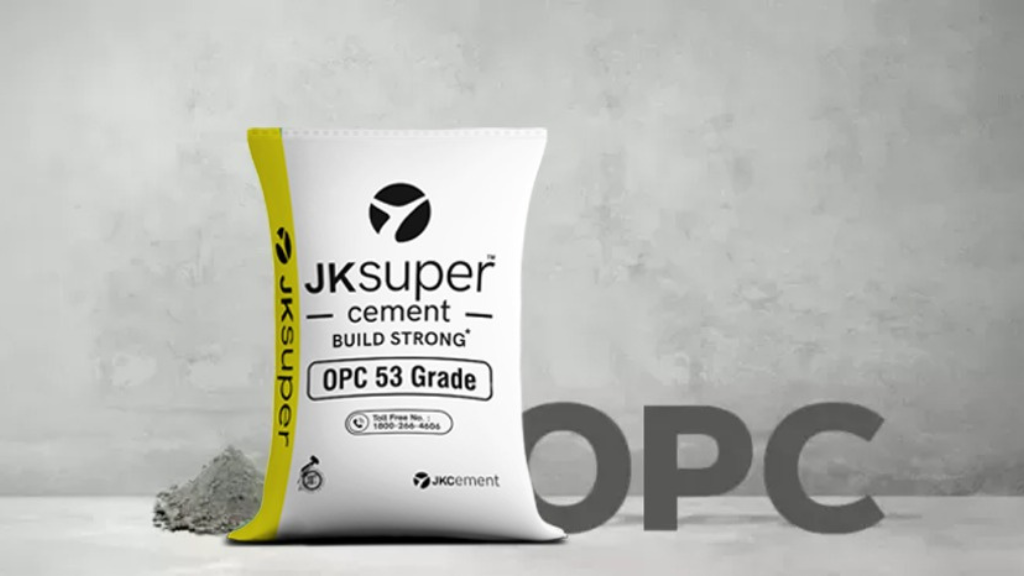
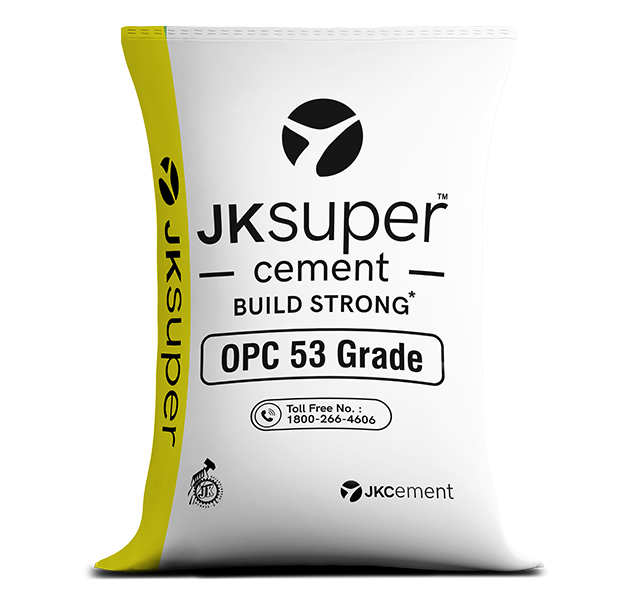
Contrast that with a reputed OPC 53 grade cement slab. Even after two years of relentless sun, minor dampness, and furniture weight, it will remain strong, solid, and crack-free. The real-world difference between poor and good cement shows up slowly, but clearly.
Basic Cement Quality Check
You don’t need a lab to test cement – just your eyes, hands, and a little awareness. Here’s a quick cement quality check you can do:
- Look for uniform grey colour – no lumps, no shade variations. Lumps may indicate moisture penetration.
- Feel it – good cement is smooth, consistent in texture, and doesn’t feel gritty.
- Package check – trusted brands use strong bags that look professional; torn or weak bags indicate mishandling.
- Date check – always use cement within 3 months of manufacture, more than that and it loses strength.
Choosing the Best Cement for a Slab
If you’re laying a slab, be it the main floor, balcony, or garage, you’ll want something strong and durable. Here are your top options in India:
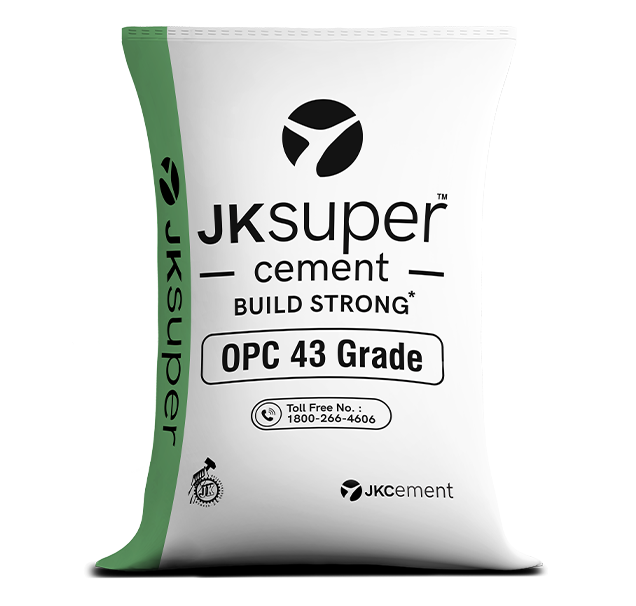
- Ordinary Portland Cement (OPC) 43/53: High in strength, ideal for structural slabs. For most terraced homes and balconies, OPC or PPC are the usual picks when looking for the best cement for a slab, especially with overhead water tanks or monsoon + sunshine combos.
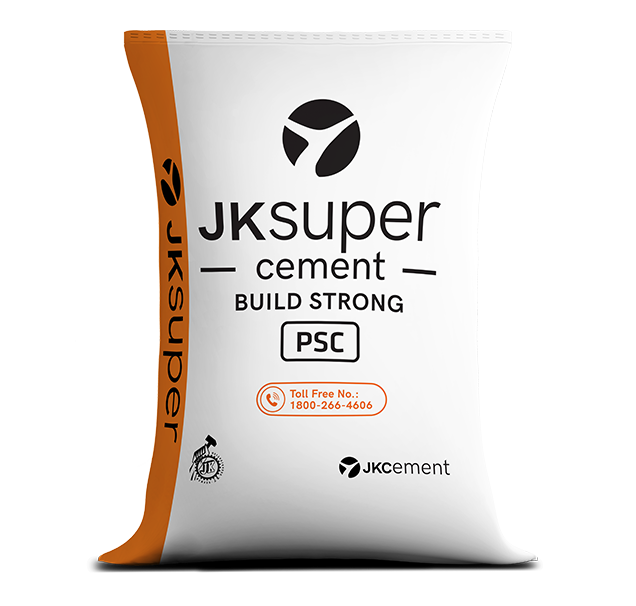
- Portland Pozzolana Cement (PPC): More resistant to water and lower heat of hydration, making it great for Indian climates, though it sets slower.
- Special-purpose cements like Rapid Hardening Cement or Sulphate Resisting Cement – useful for niche situations.
How Slab Durability is Determined by Cement Quality
Good cement doesn’t just give strength – it offers longevity. It’s why the slab, made with quality cement, still looks smooth, even under a metal table and plant pots. When a slab is made with the highest quality cement, you will get-
- Fewer initial cracks during curing or after the first rains.
- Better load-bearing ability, essential as furniture, appliances, or foot traffic changes over time.
- Higher moisture resistance, preventing dampness and algae growth under tiles.
- Stronger thermal endurance, helping slabs stay stable even in high heat.
Tips for Durable Slabs
Cement alone isn’t the full story. For a lasting slab, you also need:
- Proper mix ratio: Think 1 part cement/1.5parts sand/3 parts aggregate—a classic mix for general slabs. Don’t skimp on cement or overdo it.
- Water control: Enough to hydrate the cement, but not so much it weakens the slab. Too much water dilutes the bond.
- Curing time: Cure the slab for at least 7 days after pouring. It’s like letting dough rise properly—skip it, and the slab cracks.
- Reinforcement: Steel bars or mesh help slabs resist bending and stress. No steel? Expect cracks to appear faster.
These construction steps support the cement to do its job well.
Fixes for Slab Trouble from Poor Cement
If you discover the slab was made with low-quality cement, consider:
- Epoxy grout or sealants for minor cracks.
- Waterproofing membranes before tiles or plaster, to block dampness.
- Surface overlays using polymer-modified concrete.
If structural cracks or sagging occur, redo with the best cement for a slab and proper construction this time.
Cement Quality & Environmental Impact
Using superior cement also has a sustainability angle. Less frequent repairs mean fewer demolitions, fewer materials, and less waste. PPC in particular blends fly ash, a by-product, helping reduce carbon emissions. A longer-lasting slab is simply greener.
Next time you feel the slab underfoot, be it an airy balcony or your car porch, know it’s part of a mix that started with cement. When quality matters, the slab stands strong, holds steady, breathes well, and only shows its age with decades of use, not a few seasons.
A basic cement quality check and knowing what to choose when asking for the best cement for a slab makes all the difference. It’s quieter, safer, and more reliable growth under your feet – a home that stands firm, one good bag of cement at a time.
FAQs
1. How do I know if the cement is good?
Check the bag date — it shouldn’t be older than 3 months . Open it — it should feel smooth, not lumpy. That’s the first sign your cement quality check is on point.
2. What cement is best for slabs?
Most contractors use OPC 43 or PPC. OPC gives fast strength, PPC handles the weather better. Depends on where you live and how fast the job needs to move.
3. How long before the slab becomes strong?
Usually around 28 days. But curing it for the first 7–10 days is crucial. That’s what helps the cement settle right and last long.
4. My builder used a cement I’ve never heard of. Should I worry?
Ask for the packing date and IS code. A proper cement quality check starts with what’s printed on the bag. Unknown doesn’t always mean bad, but double-check.
5. Does high grade always mean better?
Not always. A higher grade, like OPC 53, is great for fast work, but PPC gives better durability in the long run. Depends on the slab design and the site conditions.