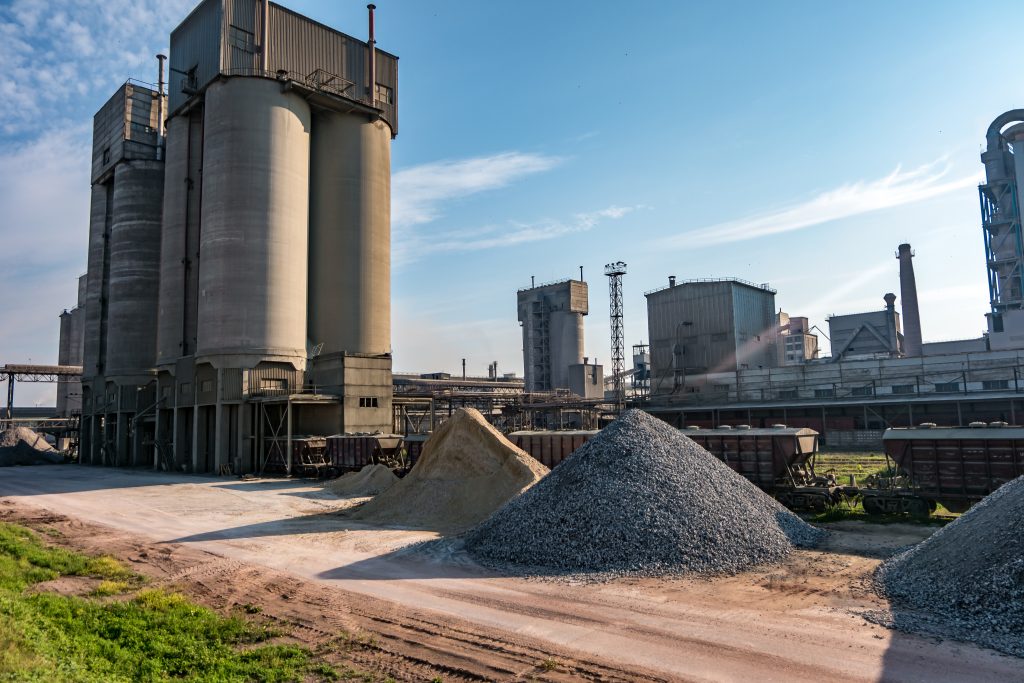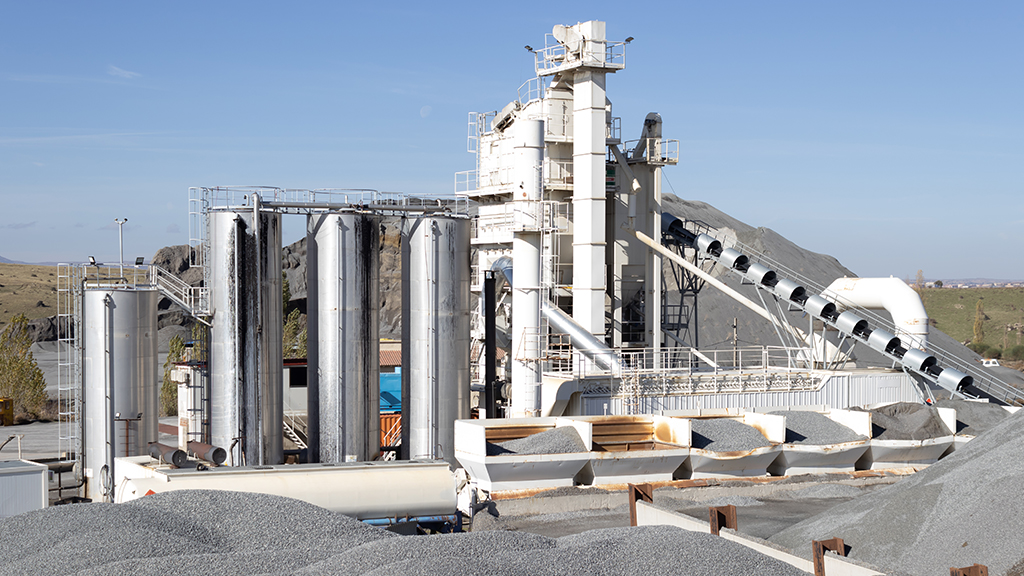
Walk through any Indian city today, be it Lucknow, Nagpur or Vijayawada, and you’ll hear the same rhythm: drills buzzing, mixers churning, scaffolding going up. It’s the sound of a country in motion. Of homes being built, bridges being extended, and skylines reaching higher. But underneath this massive and super-fast progress lies a question: how much is this development costing our environment?
The uncomfortable fact is that with every bag of traditional cement, almost an equivalent amount of CO₂ is released. That adds up fast, especially in a country where construction is booming. And yet, we need cement. It’s the backbone of everything solid in our lives- from village schools to four-lane expressways. So, how do we continue to build without harming the planet?
LC3 Cement to the rescue.
A Cleaner Way To Make Cement
LC3 can be translated as Limestone Calcined Clay Cement. The name would not do justice to the kind of revolution this product has brought about in sustainability in construction.
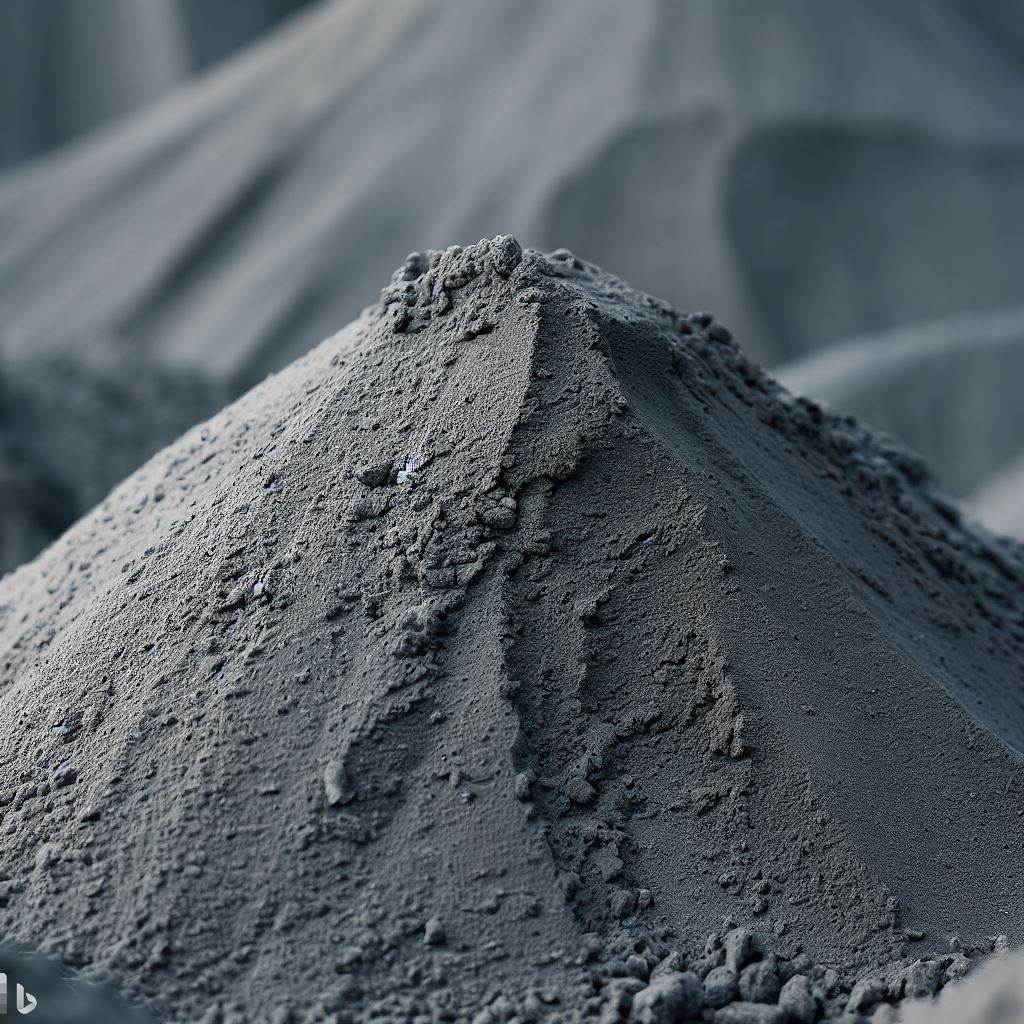
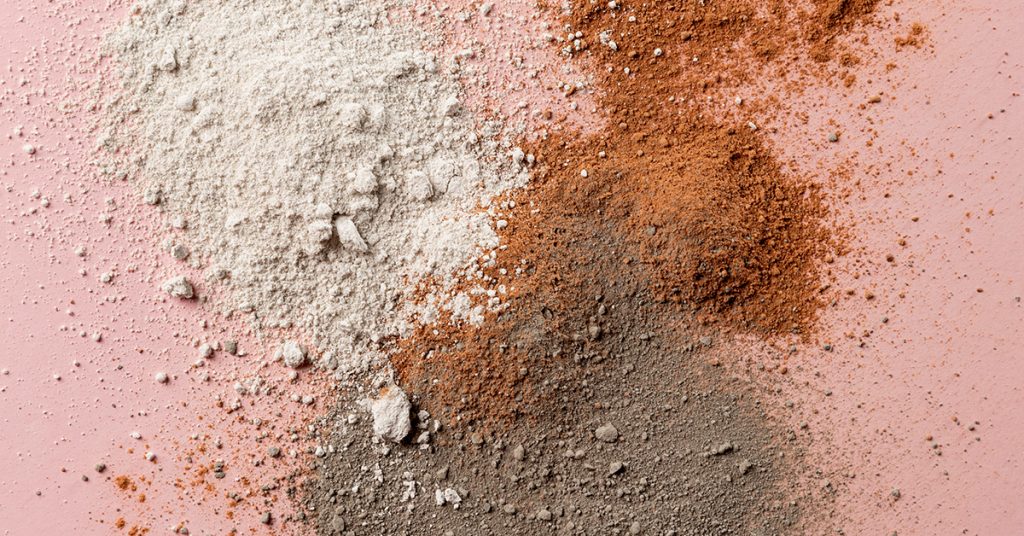
Why is LC3 a pathbreaking innovation? It does not rely on clinker, which is the core ingredient in making cement and is heavy in carbon. Instead, it is a blend of two of the most naturally available materials- limestone and calcined clay. Both these materials cut carbon emissions by up to 40% without reducing or altering the strength.
Why LC3 Cement Matters Right Now
India isn’t just building more – it’s building fast. Smart cities. Affordable homes. Industrial parks. Cement is the fuel behind these dreams. But we can’t ignore the fumes it leaves behind.
That’s why low-carbon cement in India isn’t some future idea. It’s today’s challenge. And LC³ is one of the best answers we’ve got.
Unlike other “green” solutions that rely on imported tech or niche materials, LC³ is made for Indian conditions. It’s made from Indian soil – quite literally. We have the right clays, the limestone, and the demand. Now we just need to connect the dots.
Where Does LC³ Really Shine?
- Mass Housing: In places like Kanpur or Nashik, where hundreds of EWS homes go up in tight timelines, LC³’s faster setting and lower heat release help manage deadlines and reduce cracking.
- Coastal Infrastructure: Bridges, ports, and buildings near the sea face sulphate attacks. LC³’s durability makes it better suited than even some high-grade OPCs.
- Water-Logged Zones: In Assam or Bihar during monsoon, water seepage is a huge challenge. LC³’s dense microstructure helps resist that better.
What’s Holding It Back?
Like most innovations in our industry, LC³ is still working its way into the mainstream. And some of the reasons are familiar:
- Contractor Reluctance: Let’s be honest — we’ve all heard someone say “Naya cement? Risk nahi lena.” Trust takes time.
- Structural Approvals: Some consultants still default to OPC or PPC in their design specs, not realising LC³ has similar, if not better, performance in many cases.
- Availability: Not all regions have access to calcined clay production — yet.
But these are growing pains. Fly ash cement faced the same resistance in the early 2000s. Today, it’s everywhere.
Will It Replace Traditional Cement?
Probably not overnight. LC³ isn’t here to wipe the slate clean. It’s here to improve it.
There will always be use cases for OPC 53-grade or high-shear concrete. But for the bulk of India’s general construction needs – foundations, beams, slabs, wall panels – LC³ offers a cleaner, equally capable option.
In fact, for government-driven affordable housing, rural roads, panchayat buildings, even mid-rise apartments, LC3 cement India could become the go-to choice. It just needs that nudge – from policy, from manufacturers, from engineers like us.
Why This Matters to All of Us
India isn’t slowing down. And it shouldn’t. But as we rise, we owe it to the land beneath and the sky above to rise responsibly. LC³ gives us a way to do that – quietly, efficiently, and affordably.
It’ll make stronger homes, cleaner air, and a legacy our kids can breathe easier in.
FAQ
1. What exactly is LC³ cement, and how is it different from regular cement?
LC³ (Limestone Calcined Clay Cement) is a newer type of cement that replaces a big chunk of traditional clinker with two materials that are easier on the environment – limestone and calcined clay. That swap means less CO₂, less energy, and still the same kind of strength we expect from standard cement. For people using it on the ground, there’s not much difference in the way it mixes or performs – it just does the same job, cleaner.
2. Is LC3 cement made in India? Where can we get it?
Yes, LC3 cement India is already being explored and produced by a few forward-thinking manufacturers. Research institutes like IIT Madras and IIT Delhi have been testing it for years, and companies like JK Cement are actively looking at low-carbon solutions as part of their sustainability goals. It’s not yet widely available in every market, but it’s definitely coming – especially in regions where suitable clay is easily found.
3. Does LC³ cost more than regular cement?
Surprisingly, no. Because the raw materials – limestone and clay – are cheap and found all across India, LC³ can help cut costs in the long run. It also needs less energy to produce, so there’s a saving on the fuel side too. For big projects like government housing or rural infrastructure, it’s a smart, budget-friendly choice. Basically, you get low-carbon cement in India without a high-carbon bill.
4. Will LC³ work for big structures like bridges or high-rise buildings?
In many cases, yes. LC³ has shown excellent strength, durability, and resistance to things like chloride and sulphate attacks – especially helpful in coastal or rainy areas. Of course, for highly specialised structural work, an engineer should always check if it meets the exact design requirements. But for most general construction – homes, schools, offices – LC³ is more than capable.
5. Why isn’t everyone using LC³ yet if it’s so good?
Change takes time, especially in construction. Many site teams are just more comfortable sticking with what they know. There’s also limited awareness in smaller towns, and not all regions have easy access to calcined clay production yet. But that’s shifting. With climate pressures and growing demand for low-carbon cement in India, LC³ is likely to become more common in the next few years. It’s just a matter of time and trust.