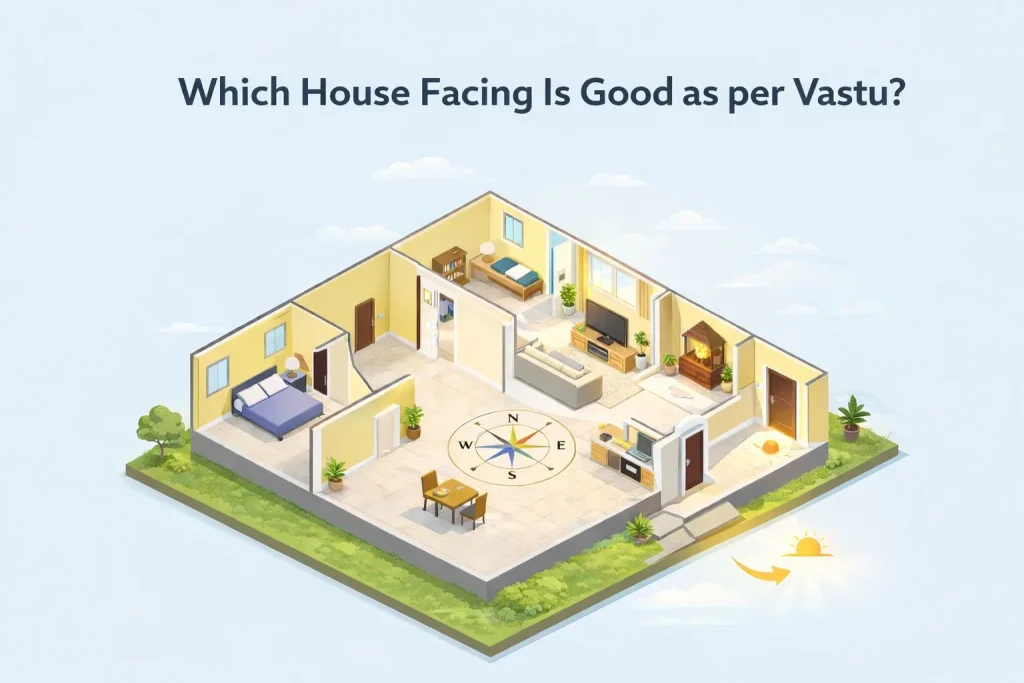
This is usually the first question that comes up at the site or during negotiations: Which house facing is good according to Vastu?
People want a simple answer, but the truth is slightly more layered. Direction matters, yes – but how the house is planned, used, and lived in matters just as much. A well-designed home in the “wrong” direction often performs better than a poorly planned one in the “right” direction.
Still, understanding which house facing is good, and whether a south, south-facing or a west-facing house is good, can help you make a more confident decision.
How to Identify the House-Facing Direction?
Before deciding which house facing is good, you need to know what “facing” actually means.
House facing is decided by the main entrance door, not the road, not the balcony, and not where the sunlight feels strongest.
Here’s how people usually identify it on site:
- Stand inside the house, facing the main door
- The direction you look toward is the house-facing direction
So if you face east when exiting the main door, it’s an east-facing house. Simple.
Many buyers get confused here and assume that corner plots or road orientation define facing. It doesn’t. For Vastu, only the main door direction counts when asking which house facing is good.
Which House Facing Is Best?
This is where opinions fly around freely. Let’s ground it.
East-Facing House
East-facing homes are traditionally considered very favourable. This is because the East is where the first sunlight comes – it is associated with positive energy and fresh beginnings.
People prefer it for:
- Good daylight in the morning
- Comfortable thermal performance
- Traditionally linked with growth and health
If someone asks which housing facing is good without complications, east-facing is often the first answer.
North-Facing House
Many people prefer North-facing homes for the following reasons:
- Less heat due to indirect sunlight.
- Natural light is balanced- not too much or too less.
- Linked with financial stability in Vastu
From a practical angle, north-facing homes stay cooler and are easier to ventilate. Again, many agree that this direction answers the question of which house facing is good quite well.
Is a South-facing house Good?
This is the most misunderstood direction.
Let’s clear this up. The idea that south-facing homes are bad comes from half-understood Vastu rules. In reality:
Is a south-facing house good? Yes, if planned correctly
- Many successful commercial buildings and homes face south
- Proper shading, layout, and entrance positioning make all the difference
- South-facing homes get strong sunlight, which can be a plus in colder regions and winters.
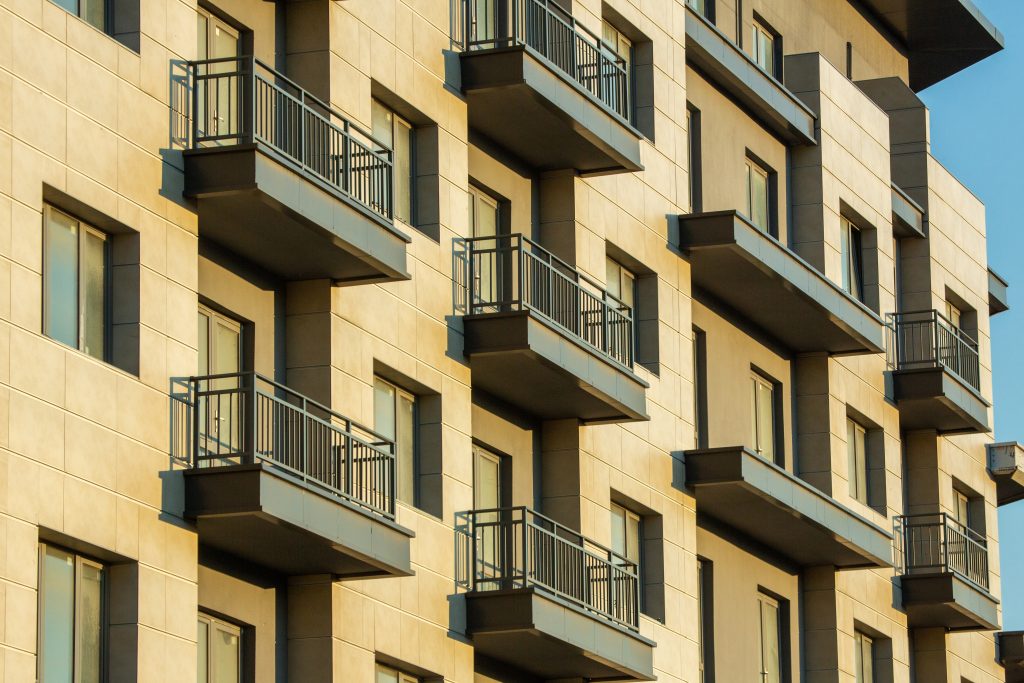
With good design – overhangs, verandas, and ventilation – they work perfectly fine. So don’t reject a property just because someone said south-facing is unlucky. That’s not how real housing works.
Is a West-facing house Good?
West-facing homes get afternoon sunlight, which means:
- Warmer interiors in the evening
- Good natural light post-noon
- Slightly higher cooling needs in summer
From a Vastu perspective, west-facing houses are considered stable and steady. From a practical angle, they work well if:
- The kitchen and bedrooms are placed smartly
- Windows are shaded properly
So if your question is: Is a west-facing house good? It can be – when planned intelligently.
Importance of Main Door Directions
In Vastu, the main door is not symbolic – it’s functional. It controls:
- Light entry
- Air movement
- Daily movement patterns
For those evaluating which housing facing is good, the main door’s exact position within the direction also matters.
For example:
- East-facing homes prefer doors towards the north-east side
- North-facing homes work best with doors in the north or north-east
- South and west-facing homes benefit from specific offsets rather than dead centre
Many average layouts perform better simply because the entrance was thoughtfully placed.
Main Door Directions- Dos’s And Don’ts
If you’re curious about understanding which house facing is good, keep these practical points in mind.
Do’s
- Keep the entrance well-lit and uncluttered
- Use quality materials for the door and frame
- Ensure smooth opening – no creaks, no jams
Don’ts
- Avoid placing the door exactly at the extreme corners
- Don’t block the entrance with shoe racks or storage
- Don’t compromise structure just to “shift” a door for Vastu
- Remember, structural safety always comes before directional fine-tuning.
Tips for Different Rooms in the House
Instead of obsessing only over: is a south-facing house good or is a west-facing house good, look at room planning.
Here’s what works well in most homes:
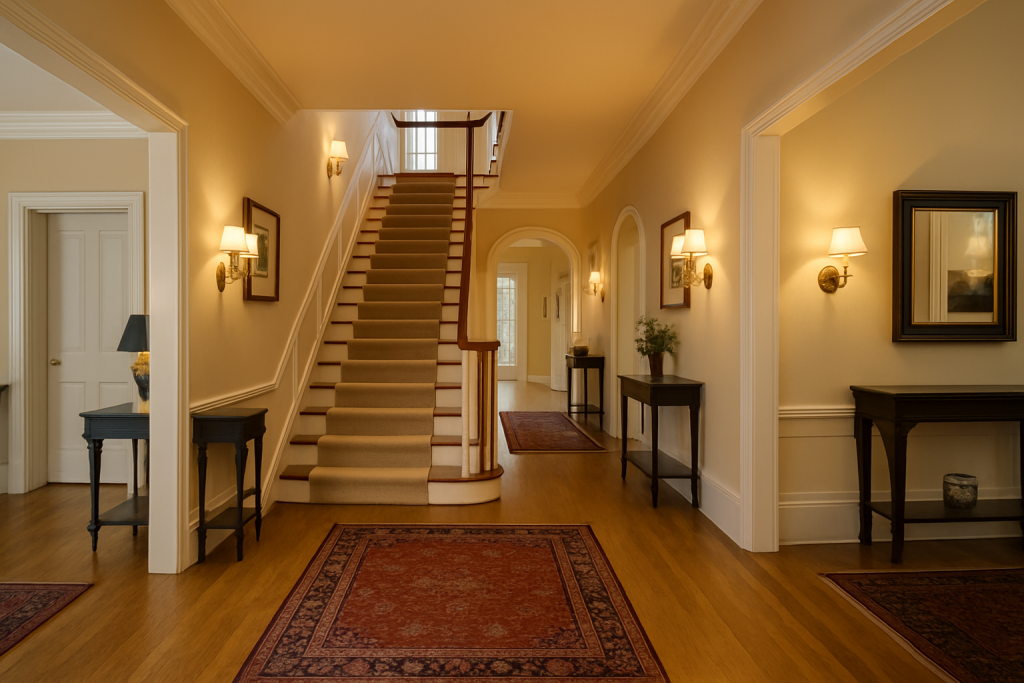
- Living room: East or north zones feel brighter and more welcoming.
- Kitchen: South-east is traditionally preferred; north-west also works.
- Bedrooms: South or west zones offer better privacy and stability.
- Bathrooms: West or north-west areas help with ventilation.
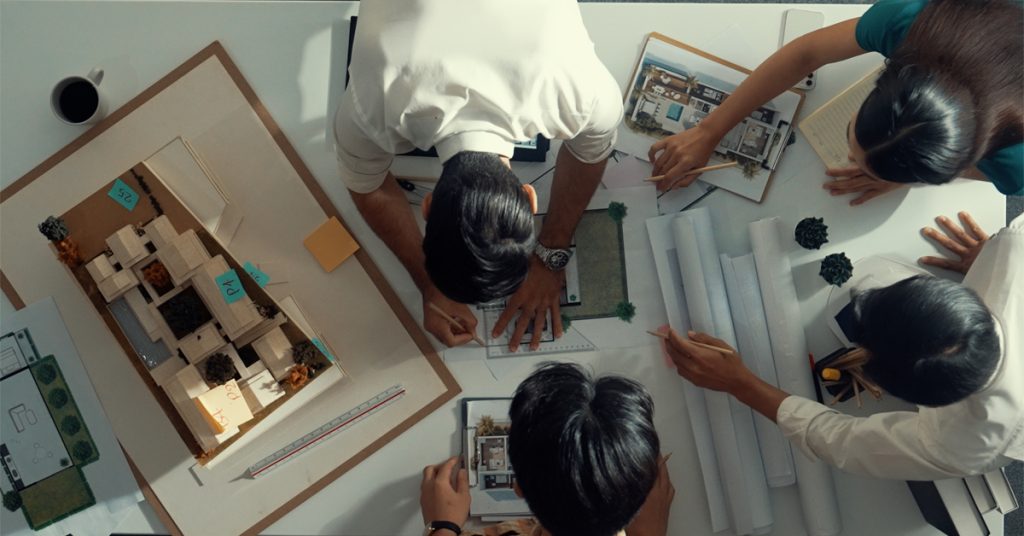
When room placement is right, the overall impact of the house facing reduces significantly. This is why many architects say planning matters more than direction when deciding which housing facing is good.
Real-World Site Insight
On actual sites, problems rarely come from direction alone. They come from:
- Poor ventilation
- Bad drainage
- Weak structure
- Low-quality materials
A perfectly “Vastu-correct” east-facing home with poor construction will age badly; whereas a house facing the west may perform better due to good cement, proper curing, and smart planning.
This is why experienced builders focus on fundamentals first—foundation, structure, materials—and then align Vastu principles sensibly.
So, which house facing is good?
East and north are widely preferred, but that doesn’t mean south or west are bad. The real answer lies in planning, layout, and execution.
If you’re asking if a south-facing house is good or if a west-facing house is good, the honest answer is: both can be good when designed with care.
When choosing a home, don’t rush the decision. Walk through it, feel the light and airflow, and trust both logic and experience. That’s how good homes are chosen.
Choose a house that:
- Feels comfortable to live in
- Is structurally sound
- Matches your lifestyle and climate
Direction should guide decisions, not dominate them. A home is meant to support life, not limit it.
FAQs
1. Which house facing is good as per Vastu?
East and north-facing houses are generally considered favourable, but other directions can work well with proper planning.
2. Is a south-facing house good for a family?
Yes. A south-facing house can be excellent if ventilation, shading, and room placement are done correctly.
3. Is a west-facing house good for residential use?
Yes. West-facing homes are common and comfortable when designed to handle afternoon heat.
4. How do I find out my house’s facing direction?
The direction you face when standing inside the house, facing the main entrance, is the house-facing direction.
5. Does a house facing affect resale value?
In India, east and north-facing homes may attract more buyers, but good construction outweighs direction in the long run.
6. Can I correct the Vastu defects later?
Some aspects, like layout and usage, can be adjusted, but structural elements are hard to change. Plan early.
7. Should I reject a house only because of its facing?
No. The structure, ventilation, light and quality must be given priority first.