Some homes carry an unspoken comfort.
You walk in, the day’s weight lifts a little, your shoulders ease, and without knowing why—you just breathe better. In India, many say that feeling comes from a space built in tune with nature’s flow. Our grandparents called it Vastu Shastra.
These days, with work emails chasing us into dinner and phone screens glowing past midnight, a home that actively supports your mental well-being isn’t just a nice-to-have. It’s a daily necessity.
At JK Cement, we know a thing or two about strong walls and lasting structures. But strength isn’t only about concrete—it’s about the people inside feeling grounded, calm, and connected.
Beyond Old Rules
Vastu isn’t about superstition or tearing down walls because a compass says so. It’s about subtle design choices—how sunlight, air, colour, and layout interact with your mood. Ancient texts spoke of directions and elements, but even without rituals, the wisdom stands: bright spaces energise you, calm areas invite rest, and open paths let both energy and people move freely.
A psychologist might call this “environmental design.” A Vastu consultant might simply smile and say, “Your home breathes better this way.”
Directions That Shape Your Day
East-facing rooms greet you with the day’s first light—perfect for a breakfast nook, a study, or that morning workout corner.
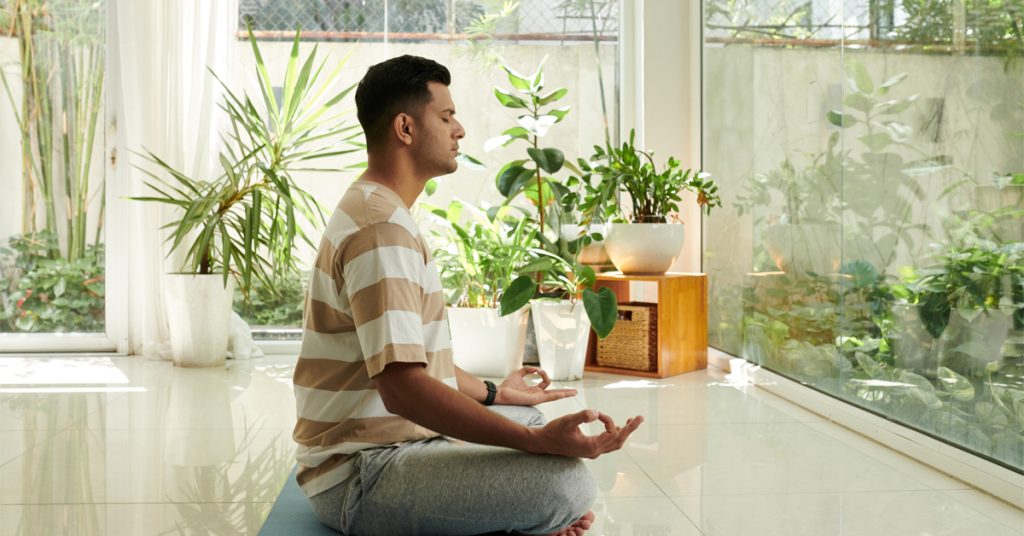
North brings clarity and focus, making it a good spot for your desk, meditation corner, or planning space.
South and West feel more grounding, ideal for bedrooms or family areas where you naturally want to slow down.
And no, you don’t need major construction to adjust. Sometimes shifting a chair, moving your bed, or changing where you sit for coffee is enough to shift the room’s energy.
The Colour–Mood Connection
Think about the last time you stepped into a soft blue room—cooler, quieter, almost like it asked you to slow down.
Vastu leans on colours much like therapists use them for mood regulation:
- Bedrooms: gentle blues, light greens, soft creams
- Living rooms: warm terracotta, muted yellow, sandy beige
- Work/study spaces: off-white or pale green—fresh but easy on the eyes
A fresh coat of paint with a fine finish—our JK WallMaxX works wonders here—does more than look good. It subtly shifts how the room feels.
Light: Your Quiet Mood Partner
Light shapes mood in ways we barely notice. Vastu says to welcome morning sun and soften the glow as evening falls.
Not facing east? Use sheer curtains, mirrors to bounce light, and warm LEDs in reading spots. In meditation or pooja spaces, swap harsh white bulbs for soft, golden tones.
When Clutter is Mental Noise
Every pile of paper, every “I’ll sort it later” basket is a low-level mental distraction. Vastu discourages blocked pathways; modern psychology agrees clutter is quiet stress.
Simple shifts help:
- Keep visible only what you use or love
- Use closed cabinets or storage ottomans
- Leave open space—your mind needs it as much as your home does
One Jaipur homeowner told us, “When we cleared the north side of our living room, we started sitting there again after dinner. Didn’t realise how much we’d been avoiding it.”
Room-by-Room Pointers
Bedroom: Sleep with your head towards the south, avoid mirrors facing the bed, dim lights after 8 pm.
Living room: Arrange seating towards east or north, keep the centre open.
Pooja room: Place in the north-east, keep uncluttered, use soft light.
Kitchen: South-east is traditional, but wherever it is—keep it organised; it influences your sense of control.
Bringing Nature Inside
Plants in the north-east corner can refresh a space. A small water feature in the north adds calm—both in Vastu and just as a background sound. Natural materials—wood, stone, clay—create a tactile sense of grounding.
And the Foundation Still Matters
Good energy lasts longer in a home that’s structurally sound and visually clean. Fine finishes using JK Super Strong Weather Shield or JK White Cement-based wall putties help the space age gracefully, giving all your Vastu efforts a solid base to work from.
Because a home that supports your mind is built not just with bricks—but with intention.
FAQs
1. How does Vastu affect mental health?
By balancing light, air flow, colours, and room directions, Vastu creates an environment where the mind feels less stressed and more at ease.
2. Which direction should my bedroom face for better sleep?
Vastu suggests sleeping with your head towards the south—it’s said to promote deeper, calmer rest.
3. What is the best colour for mental peace in a home?
Soft blues, greens, and warm creams are calming; they work especially well in bedrooms and meditation areas.
4. Can Vastu help reduce anxiety?
Yes—through decluttered spaces, gentle lighting, and correct placement of furniture, Vastu can create a sense of order and safety, which helps lower anxiety.
5. Does clutter really affect Vastu and mental wellbeing?
Absolutely. In Vastu, clutter blocks energy flow; in psychology, it’s linked to constant low-level stress.
6. Which plants are good for Vastu and peace of mind?
Tulsi, money plant, and areca palm are common picks—they’re said to bring freshness and positivity indoors.
7. Can I still follow Vastu if my house layout is fixed?
Yes. You can make small changes—like shifting furniture, using certain colours, or adding natural elements—to align with Vastu principles.
8. Where should a study or home office be as per Vastu for focus?
Facing east or north is best for concentration and productivity.
9. What’s the easiest Vastu change I can make today for better mental wellbeing?
Clear clutter from the north-east corner of your home and let in more natural light there.
10. Is Vastu only about religion?
No. While it comes from ancient Indian texts, it’s essentially about environmental design and how space affects your mind and body.