Why GST 2.0 is a Game-Changer for Homebuilders
India’s construction industry crossed a turning point in September 2025 when GST 2.0 introduced just two slabs (5% and 18%). This wasn’t just about tax simplification — it directly reshaped how families, self-builders, and developers plan their projects.
For the first time in years, middle-class families can stretch their budgets meaningfully:
- Ceramic tiles → Vitrified tiles
- Generic steel → BIS-certified TMT bars
- Standard emulsions → Weather-proof paints
But here’s the catch: not every material benefitted equally, and unless homeowners insist on transparency, the savings might stay with contractors instead of reaching the end buyer.
Snapshot of GST 2.0 Rates (Construction Essentials)
| Material | New GST Rate | What It Means for You |
| Steel & Electricals | 18% | Transparent, stable pricing |
| PVC Pipes | 5% | Affordable plumbing essentials |
| Tiles, Paints & Cement | 18% | Significant savings vs. old 28% slab |
| Glass | 18% | Largely unchanged |
| Domestic Marble & Stones | 5% | Lower cost, better local sourcing |
| Imported Marble & Stones | 18% | Premium category remains costly |
→ The government’s intent is clear: support local materials while keeping imports aspirational but premium-priced.
Material-by-Material Breakdown
1. Steel & Metals: The Backbone of Your Home
Steel forms 15–20% of your project cost. While its GST rate stayed at 18%, the clarity of slabs means fewer pricing disputes.
Smart Tip: Always ask for BIS-certified branded steel. It ensures structural integrity and prevents contractors from passing off low-quality imports at inflated prices.
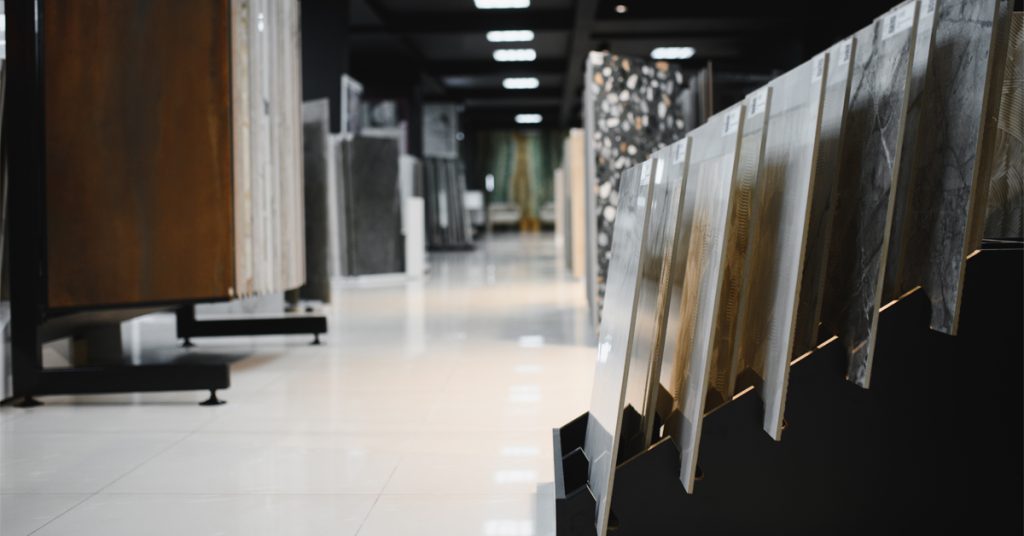
2. Tiles & Flooring: Visible Savings Under Your Feet
Tiles dropped from 28% to 18%, saving ₹40,000–₹60,000 on a 1,200 sq ft project.
Smart Tip: Upgrade to full-body vitrified tiles in kitchens and living rooms. The new tax slab makes durability affordable.
3. Paints & Coatings: Protection Meets Aesthetics
Painting a 2,000 sq ft house is now ₹15,000–₹25,000 cheaper.
Smart Tip: Reinvent your walls with anti-dust or weather-proof paints — tax savings cover the upgrade cost.
4. Plumbing & Electricals: The Hidden Heroes
- PVC pipes @ 5% = affordable basics
- Copper pipes & wiring @ 18% = stable pricing
Savings: ₹30,000–₹50,000 for mid-sized homes.
Smart Tip: Upgrade to CPVC pipes and higher-gauge wiring — fewer leakages, better safety, and longer lifespan.
Domestic vs Imported: The Big Divide
- Domestic tiles, steel, and stones → tax benefits of 5% or 18%
- Imported marble & Italian tiles → remain at 18%
Buying Indian reduces both upfront cost and lifetime maintenance, thanks to improved local manufacturing standards.
Who Saves the Most?
- Tier-2/3 cities: 3–5% of overall project cost saved
- Self-builders: 4–7% savings by direct procurement
- Urban projects: ₹2–3 lakhs saved in mid-range builds
Smart Buyer Checklist
- Verify stock purchase date (pre-GST vs post-GST).
- Demand GST-tagged invoices with 5% or 18% clearly applied.
- Add GST clauses in contracts to pass benefits to you.
- Buy in bulk with neighbors for extra dealer discounts.
[Insert Infographic: GST 2025 Savings Calculator]
Alt text: “Infographic showing GST 2025 old vs new rates and potential savings per material.”
The 2025 GST cuts are more than tax reform — they’re a chance to build smarter homes. Always double-check your invoices for the new 5% and 18% slabs. Every rupee you spend works harder by:
- Choosing domestic materials
- Insisting on transparent invoicing
- Reinvesting savings into quality upgrades
And when it comes to cement you can trust — OPC, PPC, PSC, or LC3 — choose JK Cement for strength, durability, and long-term value.
Calculate your construction costs in minutes with the JK Cement House Construction Cost Calculator. Start now
FAQs
1. What is the new GST rate on cement in 2025?
As of September 22, 2025, the GST on cement has been reduced from 28% to 18%. This change makes cement more affordable for home construction, renovation, and large-scale infrastructure projects.
2. How does the GST reduction affect the cost of building a house?
Cement is a major cost component in construction (accounting for 15–20% of total costs). With GST dropping to 18%, homeowners can save anywhere between ₹20–₹50 per bag of cement, depending on the brand and region, lowering overall project costs.
3. Will GST 2.0 make cement brands like UltraTech, JK Cement, Ambuja, ACC, and Shree Cement cheaper?
Yes. All major cement brands in India will benefit from the uniform GST reduction. This ensures price transparency and competitiveness across regions, allowing buyers to choose based on brand quality rather than high tax burden.
4. Is GST on cement the same across India after GST 2.0?
Yes. The new 18% GST rate is uniform across all states and union territories. This simplifies pricing and avoids confusion between states like UP, Rajasthan, Delhi, and Haryana.
5. How much can a home builder save with GST 2.0?
For an average 1,500 sq. ft. home requiring around 600 bags of cement, the GST cut could save homeowners approximately ₹15,000–₹25,000, depending on local pricing and transportation costs.
6. Will GST 2.0 impact the real estate sector in India?
Yes, positively. Lower construction costs will likely accelerate housing projects, make affordable housing schemes more viable, and give a boost to both private builders and government projects under “Housing for All.”
7. How does the GST change compare to global cement taxation?
Earlier, India’s 28% GST rate on cement was among the highest globally. The new 18% slab brings India closer to international norms, making the sector more competitive and attractive for foreign investment.
8. Can I claim GST input credit on cement purchases?
Yes. Builders, contractors, and businesses registered under GST can claim input tax credit (ITC) on cement purchased for construction purposes, reducing overall tax liability.
9. Will cement demand increase because of GST 2.0?
Industry experts predict a significant rise in cement demand as affordability improves. This will benefit manufacturers, distributors, and end-users alike.
10. Does GST 2.0 impact other building materials besides cement?
Yes. GST 2.0 has introduced a leaner two-slab structure, which also affects steel, tiles, and paints. However, cement’s shift from 28% to 18% is seen as the most transformative for the construction sector.