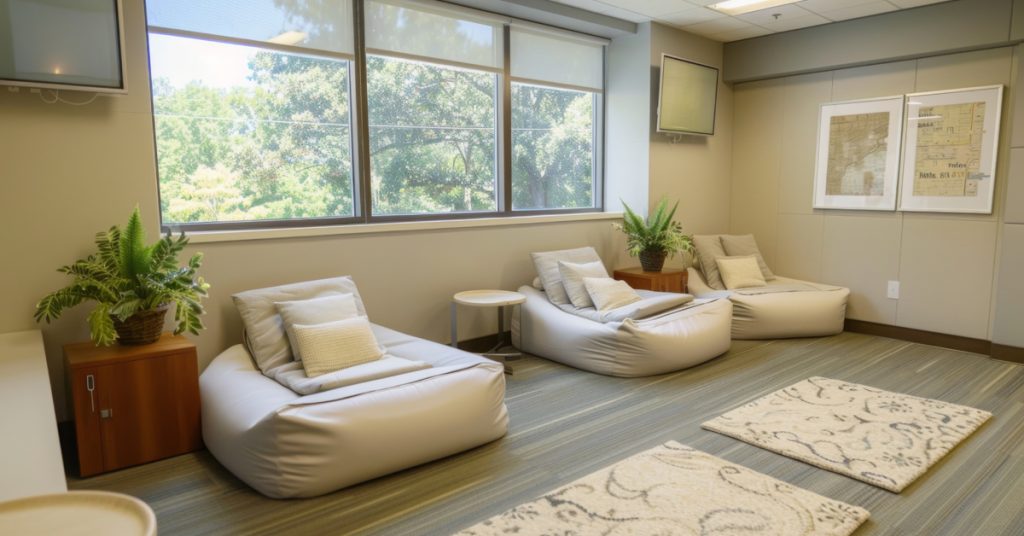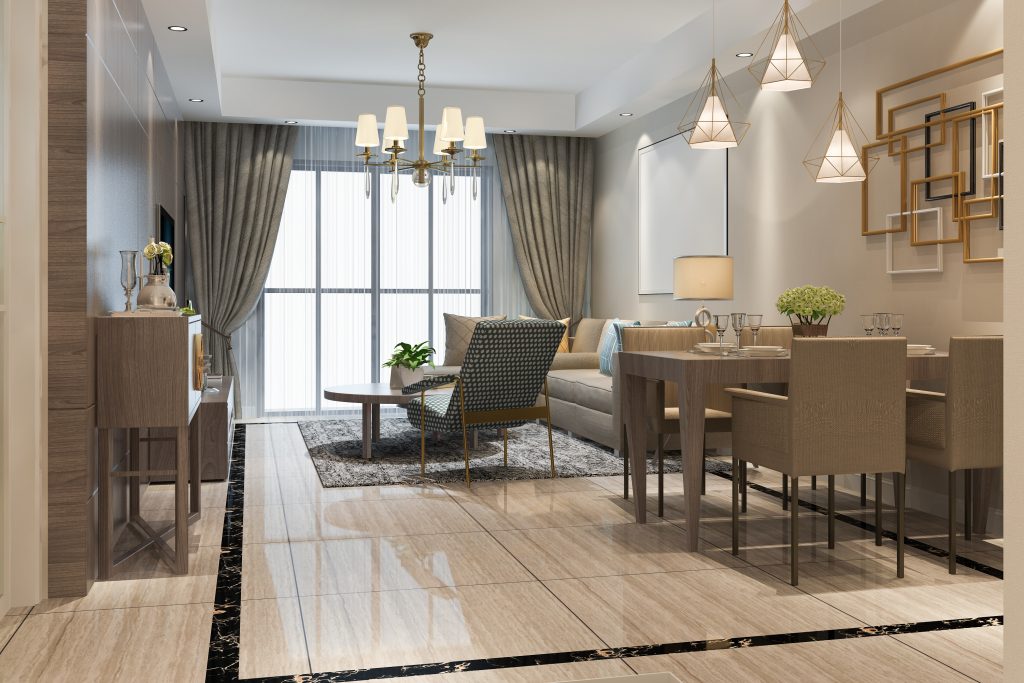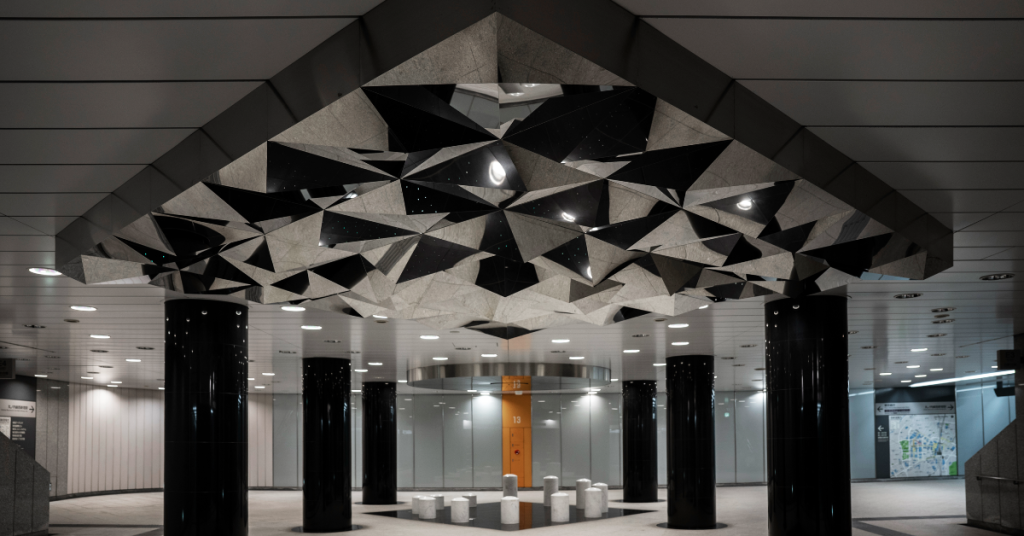
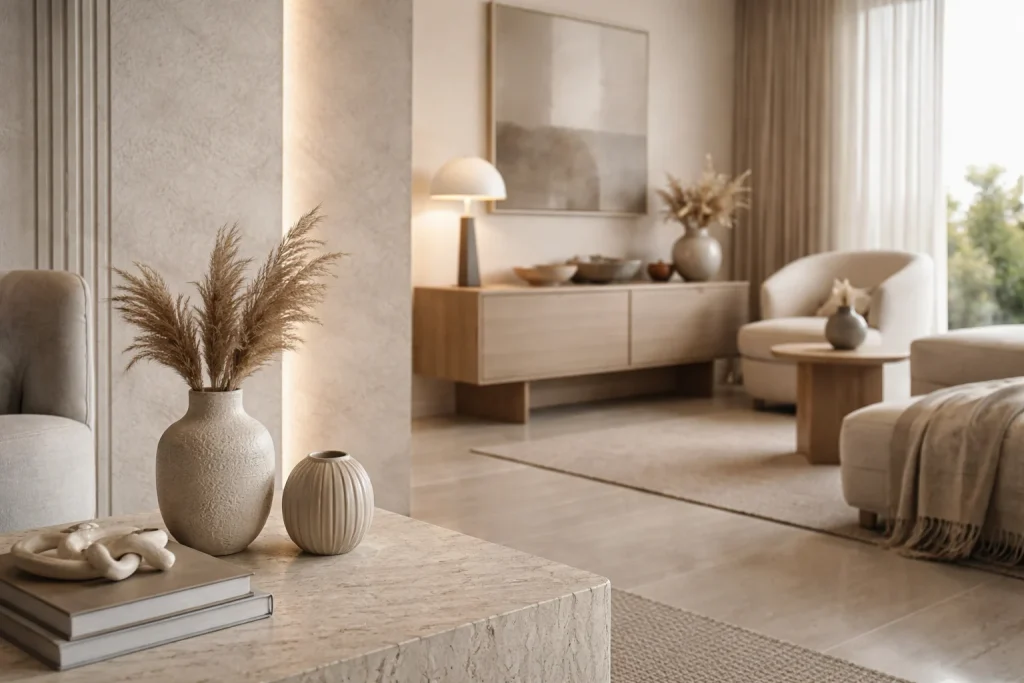
Almost always, when you walk into a home, you feel instantly comfortable or instantly uncomfortable – that feeling often stems from the interior design. In simple terms, interior design is about how a space looks, feels, and works for the people living in it. It’s not just about colours or furniture.
A beautiful sofa placed in the wrong spot becomes a daily obstacle, or a stylish kitchen with poor lighting can become frustrating to use.
That’s where interior design comes in. It connects beauty with function.
It decides how rooms flow, how light enters, where furniture sits, and how a home supports daily routines. Whether it’s a small flat or a large bungalow, good interior design quietly improves life without shouting for attention.
That’s why understanding what is interior design, its types, and the core elements of interior design matters before you start decorating or renovating.
What Is Interior Design?
Interior design is the planning and designing of indoor spaces to make them functional, comfortable, and visually balanced. It considers how people move, live, rest, cook, work, and relax inside a space.
Good interior design looks at:
- Space planning (how rooms connect)
- Furniture placement
- Lighting (natural and artificial)
- Materials, textures, and finishes
- Colour balance and proportions
Unlike surface decoration, interior design starts early – often alongside construction. This ensures that electrical points, storage, lighting, and circulation are planned properly.
A simple way to think about it: Interior design is like tailoring a suit. It’s not about the fabric alone – it’s about the fit.
Elements of Interior Design
Before talking about styles, it’s important to understand the building blocks. These are the elements of interior design that every space depends on, whether it’s traditional or modern.
1. Space
This is the foundation.
There are two types:
- Positive space: areas filled with furniture
- Negative space: empty areas that allow breathing room
Good interior design balances both. Overfilling a room is one of the most common mistakes.
2. Light
Light shapes mood.
Natural daylight makes rooms feel open. Artificial lighting sets the tone at night.
A well-designed home uses:
- Ambient lighting (overall)
- Task lighting (work areas)
- Accent lighting (highlights)
3. Colour
Colours influence emotions.
Light shades open up small rooms. Darker tones provide depth to a space, but they need to be balanced out.
Interior design isn’t about trends – it’s about choosing colours that align with your space daily.
4. Texture & Materials
Smooth, rough, glossy, matte – textures add richness.
Wood, cement plaster, fabric, and stone – mixing them correctly prevents spaces from feeling flat.
5. Furniture & Layout
Furniture must fit the room—not just physically, but functionally.
The elements of interior design work best when furniture supports movement and usage.
Popular Styles in Interior Design
There are many types of interior design, but most homes fall into a few popular styles – sometimes mixed together.
1. Traditional Interior Design
Its main elements are:
- Classic layouts.
- Solid wood furniture
- Warm colours
- Symmetry
Often seen in Indian homes with carved details and rich finishes.
2. Minimalist Interior Design
It is identified by:
- The lesser the better.
- Contemporary look
- Cleaner lines
- Neutral and muted colours
- Minimal furniture
Perfect for small apartments and clutter-free living.
3. Modern Interior Design
This design includes:
- Sleek and functional look
- Simple forms
- Open layouts
- Focus on materials like glass, metal, and concrete
Often confused with minimalist, but modern interior design allows more expression.
4. Bohemian Interior Design
Its main focus is on:
- Free-spirited and layered look.
- Including Patterns
- Lots of Colours
- Mixed textures
Feels personal and lived-in.
5. Coastal Interior Design
Its main features are:
- Light, breezy, relaxed look.
- Whites and blues
- Natural light
- Open feel
Works well in warm climates.
6. Industrial Interior Design
Inspired by factories, and includes:
- Exposed materials
- Cement finishes
- Metal accents
Very popular in urban homes today.
All of the above mentioned types of interior design are guidelines – not rules. Many homes blend styles naturally.
Difference Between Architecture and Interior Design
This confusion is common. But they are two sides of the same coin. A strong house needs both to work together.
Architecture creates the shell of a structure. It is based on:
- Technical elements
- Load-bearing capacity
- External form
Interior design brings livability to the space. It is based on:
- Internal planning
- Comfort
- Human interaction with space.
The Role Of Vastu in Interior Design
In India, Vastu is integral to design and layouts.
Vastu in interior design focuses on:
- The direction in which the entrance and rooms face.
- Placement of rooms and design elements.
- Flow of light and air.
Interior designing doesn’t blindly follow rules. It balances Vastu principles with practicality. For instance, improving light and ventilation often naturally aligns with Vastu. When done sensibly, Vastu supports comfort rather than controlling it.
Interior Design Insight
On actual sites, problems don’t come from style choices. They come from poor planning.
Common mistakes include:
- Not planning storage early
- Wrong lighting points
- Ignoring movement paths
- Choosing finishes before layout
Good interior design solves these quietly. It doesn’t shout luxury—it supports daily living.
Interior design is not about copying a Pinterest image.
It’s about understanding how you live and designing around that.
Once you understand the basics- what is interior design?, the types of interior design and the core elements of interior design, making decisions becomes easier. A well-designed home doesn’t feel “designed.” It feels natural.
If you’re planning a home, think beyond furniture and paint. Plan the experience. That’s where interior design truly begins.
FAQs
1. What is interior design in simple terms?
Interior design is planning indoor spaces to be functional, comfortable, and visually balanced.
2. Is interior design only about looks?
No. Good interior design focuses equally on usability and comfort.
3. What are the main elements of interior design?
The five main elements are – Space, light, colour, texture, furniture, and layout.
4. What types of interior design are most popular?
There are many, depending on the style and preference, but broadly they include modern, minimalist, traditional, bohemian, and industrial.
5. Is an architect necessary for interior design?
No, but consulting an architect ensures better results.
6. Is Vastu compulsory in interior design?
No, but many homeowners choose to include it for peace of mind.
7. When should interior design planning start?
Ideally, at the construction or renovation planning stage, not after completion.