In India, sustainability isn’t a shiny new buzzword — it’s something our grandparents lived without even thinking about it. Homes in Kerala stayed cool under sloping clay tile roofs, village walls breathed through lime plaster, and furniture wasn’t “fast” or “seasonal” — it was passed down, repaired, and cherished. Somewhere along the way, in our rush for speed and gloss, we traded those quiet practices for laminates, plastic, and chemically heavy finishes.
Now, as cities choke and energy bills rise, we’re circling back. Not out of nostalgia, but because those old choices were smart — healthier for us, lighter on the earth, and surprisingly long-lasting. Sustainable interiors in 2025 aren’t about filling your home with bamboo gimmicks or “eco-chic” labels. They’re about being mindful of what you bring in, how it’s made, and how long it will last.
Flooring That Lasts Longer Than Trends
Step barefoot onto a bamboo floor and you’ll feel the difference instantly — warm, springy, forgiving. It grows in a handful of years, unlike hardwoods that take decades. Yet it’s tough enough to handle everyday Indian life: kids running around, a rolling gas cylinder, or the neighbour’s chair scraping across during Diwali parties.
Closer home, in Rajasthan, there’s Kota stone. I’ve seen homes in Udaipur where the Kota flooring from the 1970s still shines with just water and a cotton rag. No polishes, no chemicals. Just stone doing what stone does best — lasting.
And then, of course, terracotta. Step into a Goan villa with terracotta tiles underfoot, and you’ll understand why people still love them. They cool the room, they age beautifully, and no two tiles are ever identical.
Furniture With a Soul
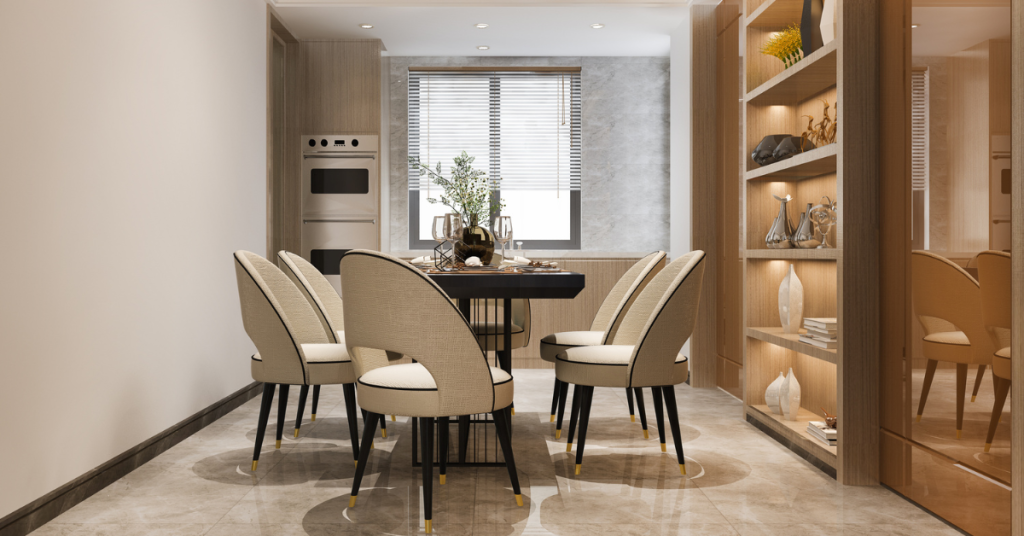
One of my favourite dining tables in Delhi started life as a door in a Haveli. Heavy teak, with hinges still faintly visible, repurposed into something modern families now eat off every day. That’s the charm of reclaimed wood — it carries stories. You don’t buy just furniture, you inherit character.
Rattan and cane are also making a comeback — not in the kitschy way of the ’90s, but in sleeker, well-crafted forms. A cane headboard in a contemporary bedroom looks both global and rooted. And because these plants regrow after harvest, they give you comfort without guilt.
Even scrap metal has found its second life. A friend in Bangalore turned an old factory beam into open shelving for his loft. Rough edges smoothed, blackened steel shining under warm lights — industrial, yes, but also sustainable.
Walls That Breathe
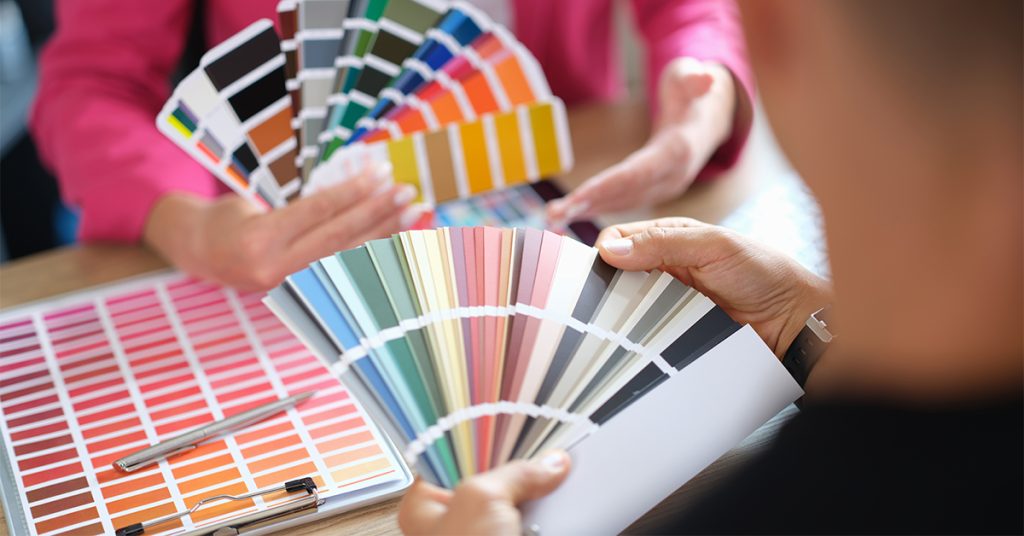
We underestimate walls. They’re the largest surface in a room, yet we often coat them with paints that trap heat and release chemicals for months. Today, low-VOC paints are widely available in India — they come in every shade, and more importantly, they don’t leave you with that “new paint headache.”
But if you’ve ever seen lime plaster done well, you’ll know why it’s worth considering. Smooth, velvety, naturally antibacterial, and endlessly repairable. In a heritage home in Jaipur, I once ran my hand across a 60-year-old lime plaster wall — it looked better than many modern painted ones. When you pair lime with a strong cement base (like JK Super Strong), you get both durability and beauty.
Fabrics That Feel Right
The textiles we choose — curtains, cushions, rugs — can quietly make or break the sustainability story.
Organic cotton is softer than you expect, without the hidden pesticide load of conventional farming. Khadi has that handspun irregularity which feels almost alive, each thread slightly different from the next. And jute, humble as it is, can transform into rugs, lampshades, or baskets that ground a space with earthy texture.
None of these shout “eco.” They just feel good — on the skin, in the room, and in the conscience.
The Real Green Secret: Durability
Here’s something people don’t talk about enough: the greenest choice you can make isn’t a fancy bamboo light or an organic rug. It’s durability.
Every time you replace a floor, repaint a wall, or junk a sofa, you’re not just spending money. You’re burning through resources — trucks to deliver, factories to produce, landfills to bury the old.
That’s why the real foundation of a sustainable home lies in the unseen choices — good cement that keeps walls crack-free, finishes that don’t peel after two monsoons, flooring that doesn’t give up after five years. The longer things last, the fewer resources you consume over your lifetime.
Lessons I’ve Learned (and Mistakes to Avoid)
- Don’t get swayed by an “eco” label if the product has been shipped halfway across the world. A local Kota stone beats imported bamboo from Europe any day.
- Bamboo warps if you don’t maintain it. Sustainability doesn’t mean zero effort.
- Some “natural” products sneak in synthetics — which means they can’t be recycled later. Always check what you’re buying.
- And please, never put beautiful lime plaster over damp or weak walls. Strength comes before finish.
A Final Thought
Sustainable interiors aren’t about creating picture-perfect eco-homes. They’re about making choices that feel natural, honest, and lasting.
When you walk into a space with lime-plastered walls, a reclaimed wood table, and sunlight bouncing off handmade tiles, you don’t think, “Oh, this is sustainable.” You just think, “This feels good.”
And that, perhaps, is the real point.
FAQs:
Q: Is bamboo flooring actually durable enough for Indian homes?
Absolutely. I’ve seen families in Pune with bamboo flooring that’s handled pets, kids, and monsoons for years. The only catch? Don’t leave it soaking wet — a little care goes a long way.
Q: My contractor suggested lime plaster, but isn’t that old-fashioned?
Old, yes. Outdated, no. In fact, lime plaster is having a comeback. It keeps walls breathable and healthy. Pair it with a strong cement base and you’ll have walls that look timeless and last decades.
Q: What fabrics should I pick if I want to go “green”?
Go local and natural. Organic cotton for softness, khadi for character, and jute if you want something rustic but tough. I once saw a jute rug in a Mumbai flat that survived three Diwalis, two Holis, and countless chai spills.
Q: Are low-VOC paints easy to find in India, or will they cost a fortune?
They’re actually pretty accessible now — you’ll find them with most big paint brands. Price-wise, they’re a little higher than regular paints, but the payoff is cleaner indoor air and no lingering chemical smell.
Q: Is reclaimed wood really as strong as new timber?
Often stronger. Think of it this way: older wood was cut from mature trees, and over time it’s already seasoned. That dining table made from an old Haveli door will probably outlive the brand-new factory-made one.
Q: What’s the single most eco-friendly thing I can do in my home?
Build it to last. Whether it’s choosing a cement that resists cracks or a floor that doesn’t need replacing every five years — durability saves money, effort, and the planet.