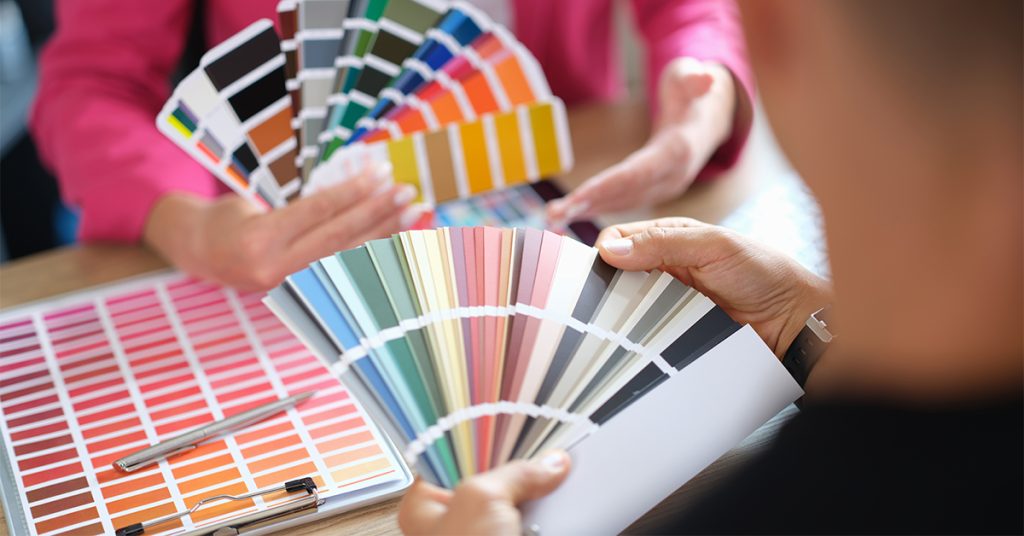
Choosing paint colours might feel like a small decision, but it’s amazing how a fresh coat can change not just a room, but the way you feel when you walk in. Whether you’re touching up your living room in Bangalore or sprucing up a rental flat in Hyderabad, picking the right shade is as much about mood and meaning as it is about fashion.
In this article, we’ll explore how to choose the best wall paint colours in India, what makes certain hues so magical, and how you can transform your home with a paintbrush. Expect real-life examples, simple tips, and a voice that feels like your friend chatting over chai, not a glossy ad.
1. Colours and Mood: More Than Meets the Eye
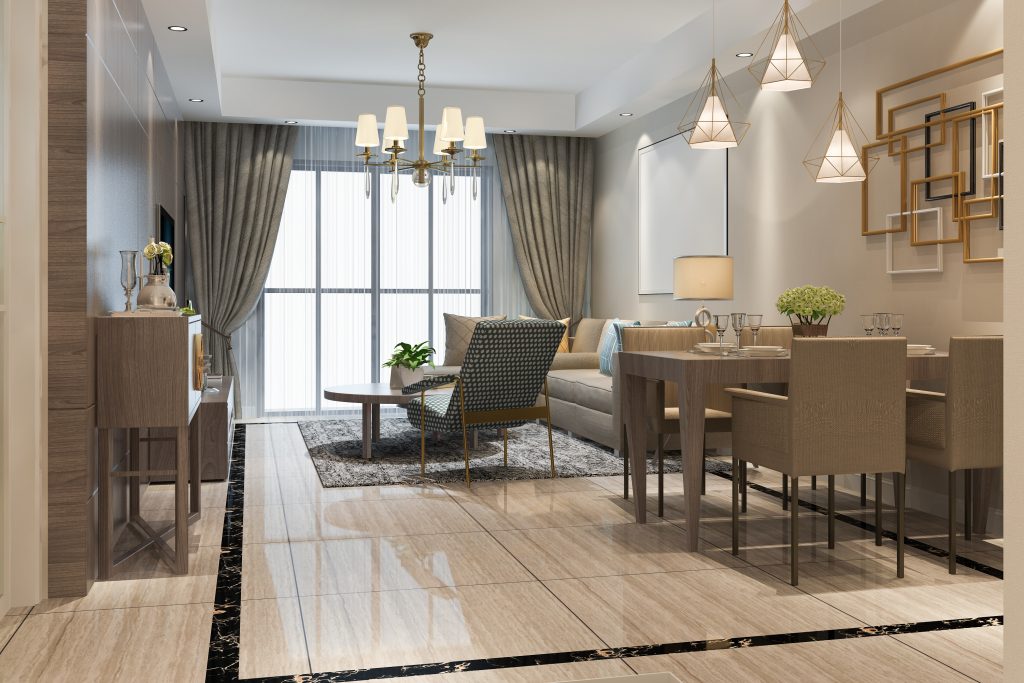
Think back: which colour lifted your spirits, and which felt heavy or dull? Paint works the same way. In a living room, warm neutrals like light beige or soft grey invite people to relax and chat. Go deeper, think mustard yellow or terracotta, and you create a sense of warmth and grounded comfort, perfect for family get-togethers.
On the other hand, light pastels like seafoam green and dusty pink add gentle brightness without overpowering the senses. These are some of the best wall paint colours for bedrooms or quiet corners in small homes.
2. How Much Paint? Start Small, Then Expand
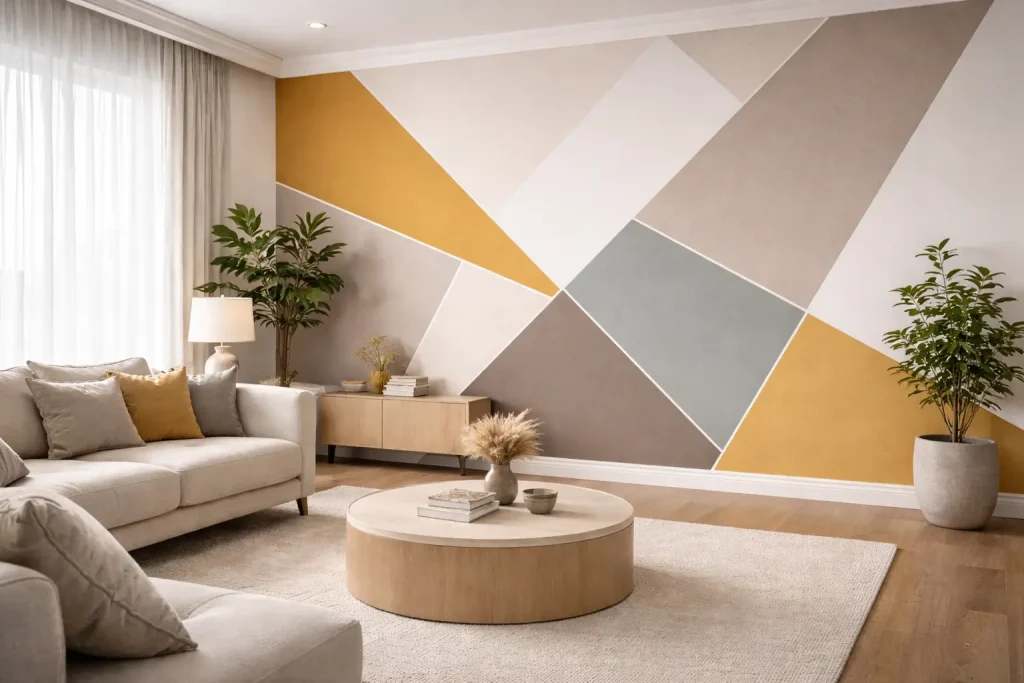
You don’t have to paint every wall at once. Start with one feature wall. That one change will make the whole room feel “complete” without over-painting. Try a single accent wall yourself. You get bold style without the overwhelm or expense.
3. Match Paint to Lighting—and vice versa
Paint in a paint store shows one shade, but under Indian daylight, it can look very different. North-facing rooms get cooler light, so colours tend to look muted. South-facing spaces feel warmer – whites can seem creamy, and greys might lean blue.
That’s why testing is key: get small sample cans, paint patches where the wall meets the ceiling and skirting, and check them at different times—from morning chai to evening backlight. If the shade keeps looking right, you’ve hit on one of the best wall paint colours in India for your space.
4. Keep It Flowing, Not Clashing
In Indian homes, rooms often open into each other without doors or hall dividers. To make colours feel intentional (not accidental), choose two main paint families – say, neutrals and a highlight tone. Use the neutral for most spaces, and the highlight in one spot, like an entry wall or dining area. That subtle flow makes your home feel cohesive and calm.
5. Be Bold—but Balanced
Not sure where to go bold? Bathrooms, balconies, or powder rooms are great places to experiment. Maybe a deep teal in the guest washroom and decorative tiles – you don’t need to commit to a giant room. Bold colour risk there can be charming without being exhausting.
6. Understand Undertones
Every colour has an undertone – yellow, pink, or blue. A “neutral beige” may run slightly pink, while a grey might feel lavender in certain lights. That shift matters, especially in Indian homes with warm natural light. Compare two nearby shades on small strips to see if they read warm or cool. That will tell you whether it’ll complement your furniture and flooring.
7. Invest in Quality Paint
Cheap paint might save money upfront, but you end up scrubbing walls or re-painting within a year of splashes or sun damage. Look for reputable brands with washable, low-VOC formulas – your painted home will feel fresher and hold up better. Think of it like buying a pair of shoes: you’d pay more for comfort you can rely on.
8. Consider Finish and Texture
Flat (matte) finishes hide imperfections well and are ideal for older homes with uneven walls. Satin, semi-gloss, or eggshell finishes offer subtle sheen and are easier to wipe clean and are perfect for kitchens and kids’ rooms. Match your finish to your lifestyle and avoid cleaning hassles later.
9. Personalise with Patterns and Panels
Want more character? Try a DIY stencil, geometric tape design, or vertical wood strips in a dedicated corner. Just one subtle pattern, like a stripe or a square panel, adds personality without dominating the room. A soft sage square behind your bed or geometric lines near your study desk create focal points that feel expensive, not extra.
10. Keep It Timeless, Not Trendy
Trends like neon greens or metallics come and go fast. Stick with timeless palettes (soft greys, warm whites, pastel greens, terracotta) that endure beyond seasons. Then, update your room with cushions, rugs, art, or lamps in trendy tones.
Choosing the best wall paint colours in India isn’t about following charts or flashy Instagram artists – it’s about noticing how colours make you feel when you step into your space. Want calm mornings? Choose soft neutrals. Hosting a lot? Go for richer, inviting tones in welcoming spaces.
Transforming your home with paint is like telling a story—each wall is a chapter. So pick your colours with feeling, test like you mean it, and paint what speaks to you. Your home is a reflection of your mood, your flow, and your life. Make it colour-worthy.
FAQs
1. What’s a safe colour for any room?
Off-white or light beige. These work with everything — furniture, tiles, lights — and they won’t go out of style. That’s why they’re among the best wall paint colours in India.
2. I like colour, but not too loud. Any suggestions?
Try dusty rose, sage green, or pale blue. Looks fresh but calm. You’ll thank yourself after a long workday.
3. What’s a good wall colour for a small home?
Lighter shades like ivory, pastel yellow, or soft grey open up the space. Avoid too many dark patches — they can feel heavy.
4. Can I paint one wall darker than the rest?
Absolutely. Pick a feature wall — behind the sofa or bed — and try charcoal, bottle green, or deep rust. Makes the room feel styled, without a full redo.
5. What about kids’ rooms?
Keep it cheerful but soothing. Sky blue, peach, or soft mint are solid picks. Avoid overly bright colours — kids get overstimulated easily.
6. Does paint really affect mood?
Ask anyone who’s lived with a neon orange wall. Colours change how a room feels. Warm tones bring energy; cool tones calm you down. Simple as that.
7. Which colours hide dust or stains?
Warm neutrals like taupe, greige (that grey-beige mix), or dusty peach. Great for high-traffic areas like halls or dining rooms, and they still count among the best wall paint colours in India.