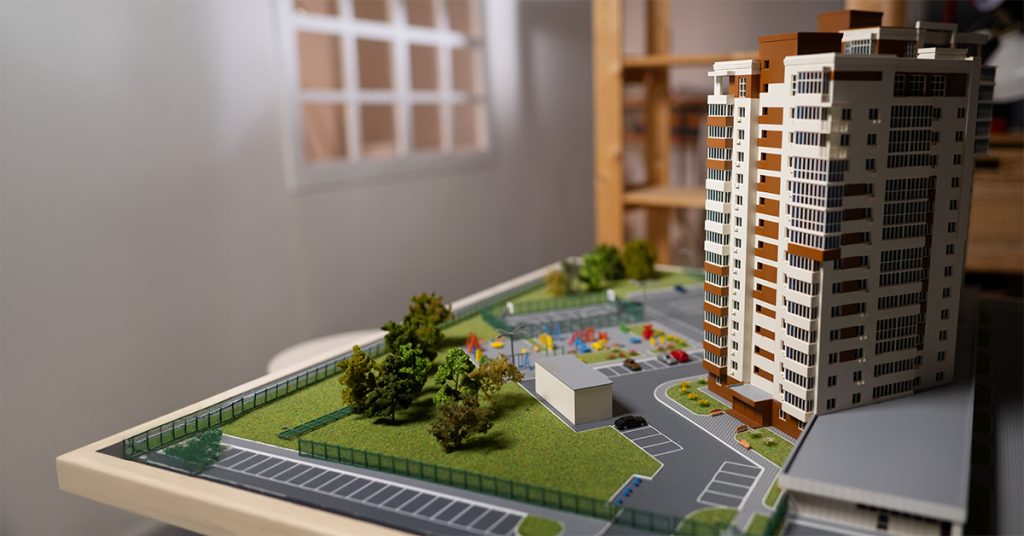

In many tier-2 and tier-3 towns across India, you’ll often find a construction site buzzing even before sunrise. Masons mixing mortar, steel bars stacked neatly, and the smell of wet concrete in the morning air — it’s a scene that tells us one thing: housing demand isn’t slowing down.
By 2025, India’s urban population is expected to cross 600 million, which means the need for affordable housing will be greater than ever. The last decade saw government-led pushes like Pradhan Mantri Awas Yojana (PMAY) making home ownership a reality for millions. But with that scheme’s targets nearing completion, what lies ahead?
Here’s a closer look at the new housing schemes upcoming in India and future housing plans that could shape the skyline beyond 2025.
PMAY 2.0 – The Next Chapter
Policy circles are already discussing an evolved version of PMAY to cover low-income and lower-middle-class households in growing cities.
- Expected changes include faster digital approvals, green construction mandates, and larger carpet areas for urban units.
- For many first-time buyers, streamlined processes could cut months off the home allotment timeline.
(Source: Ministry of Housing & Urban Affairs)
State-Level Affordable Housing Drives
States like Maharashtra, Gujarat, Tamil Nadu, and Uttar Pradesh are likely to launch their own post-2025 housing missions, building on the success of earlier policies.
- The Maharashtra Housing & Area Development Authority (MHADA) has hinted at expanded draw-based allotments.
- The Tamil Nadu Housing Board is exploring mixed-income projects to make affordability viable without compromising quality.
Green and Climate-Resilient Housing
With erratic monsoons and rising temperatures, future housing plans will need to address climate resilience. Expect:
- Cool roof technologies to reduce heat gain.
- Cement blends with lower carbon footprints — a space where JK Cement’s PPC and PSC products already fit naturally.
- Rainwater harvesting and solar rooftops as standard features.
Rental Housing for Migrant Workers
The Affordable Rental Housing Complexes (ARHC) scheme, currently in pilot phase, could expand significantly post-2025.
- Modular designs and pre-cast construction could cut build times by half.
- Locations near industrial hubs and transport corridors will help workers save on commute and rent.
Public-Private Partnership (PPP) Mega-Projects
Governments are expected to invite more developers into PPP models for mass housing.
- Private players bring speed and design innovation.
- Government ensures affordability through land subsidies and fixed pricing models.
Digital Land Records & Faster Clearances
One of the bottlenecks in housing is land title disputes. The Digital India Land Records Modernisation Programme is set to play a bigger role.
- Online land mapping will make site acquisition smoother for housing boards.
- Approval windows could shrink from 18 months to under 6 months — a major relief for developers and buyers alike.
(Source: Press Information Bureau)
Focus on Tier-2 & Tier-3 Cities
Beyond metros, towns like Prayagraj, Ujjain, Hubballi, and Panna — where industrial growth is opening new job corridors — will see fresh housing clusters. These areas will benefit from:
- Lower land costs
- Proximity to expanding manufacturing zones
- Demand for both affordable and mid-income housing
“When affordable housing comes to smaller towns, it’s not just a building — it’s a lifeline. It means a mason can live near his work, his kids can go to a decent school, and he doesn’t have to travel three hours every day,” says Rajesh Kumar, a site supervisor from Kanpur.
Integration with Infrastructure Plans
Future schemes will likely be tied closely with PM Gati Shakti, metro expansions, and expressway projects. Affordable housing clusters will come up along new transport corridors, ensuring residents aren’t cut off from city centres.
Use of Low-Cost, High-Strength Materials
To keep prices low without sacrificing durability:
- Increased use of Portland Pozzolana Cement (PPC) for better longevity in humid and coastal areas.
- Prefabricated walls and pre-stressed concrete slabs for faster assembly.
- (Learn more about cement types in construction)
Community-Centric Planning
New housing layouts are expected to go beyond just “flats and towers” — with:
- Shared open spaces
- Integrated community halls
- Local markets and health kiosks within walking distance
FAQs on Upcoming Affordable Housing Plans
Will there be a PMAY after 2025?
Likely yes — with improved delivery systems, larger units, and a stronger push for green housing.
Which states are leading in affordable housing initiatives?
Maharashtra, Tamil Nadu, Gujarat, and Uttar Pradesh have been front-runners and are planning expanded post-2025 schemes.
How will climate change affect future housing plans?
Expect more green-certified buildings, heat-resistant materials, and water conservation features.
Will tier-2 cities benefit equally?
Yes. With industrial corridors expanding, smaller cities will get dedicated affordable housing clusters.
What role will cement play in future schemes?
High-performance, sustainable cement like PPC and PSC will be critical for longevity and cost efficiency.