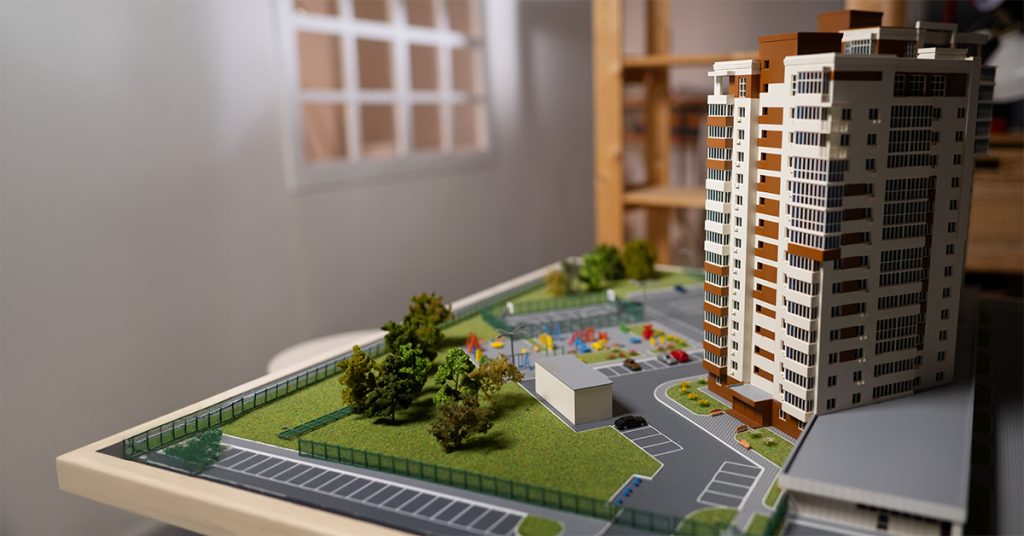
Across India, we’ve all seen government housing schemes come and go. Some take off. Others barely make it past paperwork. But Pradhan Mantri Awas Yojana (PMAY) has been different. It has put real roofs over real families – many for the first time.
Walk through the bylanes of smaller towns today and you’ll see the change: where once there were kuchha homes, there now stand rows of pucca houses. Families who never imagined owning a solid cement shelter now live under one, often before their children even finish school.
As of 2025, PMAY has entered a renewed phase. The updated PMAY 2025 (Revised) is here with stronger subsidies, broader inclusion, and faster processes. Let’s unpack what this means.
PMAY in Simple Terms
At its core, PMAY is the Indian government’s housing mission – a promise to help every eligible citizen own a home by 2025.
But beyond the tagline, it’s a support system for:
- Those without property
- Families with modest incomes (EWS, LIG, MIG)
- First-time homebuyers – whether in cities, towns, or rural blocks
So whether you’re a mason in Indore helping others build their dreams or a teacher in Nashik saving for your own 1BHK, PMAY aims to ease that journey.
What’s New in PMAY 2025?
1. Expanded Subsidies Under CLSS
CLSS – Credit Linked Subsidy Scheme — remains central. It offers interest subsidies on home loans, and the 2025 revision makes this more generous.
- EWS (up to ₹3 lakh/year) & LIG (₹3–6 lakh): Subsidies up to ₹2.67 lakh
- MIG-I (₹6–12 lakh) & MIG-II (₹12–18 lakh): Interest benefits up to ₹2.35 lakh or more
The government has also increased the carpet area limits — a welcome change, especially for compact urban flats in places like Rewa or Tirupati.
2. Inclusivity for Women and Transgender Citizens
There’s now a formal requirement for female co-ownership in EWS and LIG applications — unless the applicant is a widow or divorcee. For the first time, the transgender community has been added to the eligible beneficiary list — a step forward long awaited by grassroots organisations.
3. More Attention to Tier-II & III Cities
The real housing shortfall isn’t in metros — it’s in towns like Jhansi, Ujjain, or Durgapur. PMAY 2025 shifts its focus here, approving more urban housing proposals in such cities and accelerating implementation.
4. Faster Approvals, Tech-Based Tracking
File stagnation is giving way to real-time digital dashboards. Thanks to Aadhaar-linked tracking, geo-tagged construction photos, and mobile-accessible portals, applicants can now monitor their own progress.
States are increasingly integrating their housing departments into this ecosystem — reducing delays and improving transparency.
Who Can Apply — and Who Can’t
Let’s be clear — this isn’t meant for everyone.
You can apply if:
- You or your spouse do not own a pucca house
- You live in a rented or ancestral property
- Your annual family income is below ₹18 lakh
- You haven’t availed of housing subsidies before
You cannot apply if:
- You or your spouse already own property
- You’ve received housing aid under any central scheme earlier
And no, this subsidy doesn’t stack with builder offers. The actual saving — especially in interest over time — is often far more valuable.
Applying for PMAY 2025: A Simple Walkthrough
Step 1: Visit pmaymis.gov.in
Keep your Aadhaar number, income proof, and PAN card ready.
Step 2: Pick your correct category — EWS, LIG, MIG-I, MIG-II
Ask your bank or housing officer for help if unsure.
Step 3: Apply through a PMAY-partnered lender
This includes most major banks (SBI, HDFC, ICICI) and many NBFCs.
Step 4: Track your subsidy status online
Use your application ID to check real-time progress.
FAQs: What People Often Ask
Q1. I live with my parents. Can I still apply?
Yes, if neither you nor your spouse owns another house.
Q2. I applied in 2023 but didn’t get approved. Can I reapply?
Yes — but first check the rejection reason and resolve it.
Q3. Does PMAY only cover building a new house?
No. It covers new purchase, construction, and even upgrades/extensions.
Q4. Can I sell the house after getting the subsidy?
Only after 5 years. Selling earlier may require returning the subsidy.
Q5. My income has increased after applying. Will it affect my eligibility?
No — as long as your application was valid when submitted.
Q6. Do private developers offer PMAY flats?
Yes — but only in approved projects. Check with RERA or your local authority.
Q7. Can I take a home loan from private NBFCs like Bajaj or Shriram?
Yes, if they are listed as PMAY-partnered lenders.
Q8. PMAY-U vs PMAY-G — what’s the difference?
Urban vs Rural. PMAY-U is for cities/towns; PMAY-G is for villages.
Q9. Is the application process entirely online?
For PMAY-U — mostly yes. For PMAY-G, village officers may assist with paperwork.
Q10. What’s the deadline to apply under PMAY 2025?
There’s no fixed last date yet — but funds are capped annually. Early applications are safer.
A Final Word — From One Homebuilder to Another
The best thing about PMAY isn’t the paperwork or the subsidy — it’s the pride of calling something truly your own. As we’ve seen at countless JK Cement-affiliated sites, the moment someone puts their nameplate on the door, the house becomes a home.
And as India builds ahead, one brick at a time — we’re proud to be part of that foundation.
Yes, if neither you nor your spouse owns another house.
Yes — but first check the rejection reason and resolve it.
No. It covers new purchase, construction, and even upgrades/extensions.
Only after 5 years. Selling earlier may require returning the subsidy.
No — as long as your application was valid when submitted.
Yes — but only in approved projects. Check with RERA or your local authority.
Yes, if they are listed as PMAY-partnered lenders.
Urban vs Rural. PMAY-U is for cities/towns; PMAY-G is for villages.
For PMAY-U — mostly yes. For PMAY-G, village officers may assist with paperwork.
There’s no fixed last date yet — but funds are capped annually. Early applications are safer.