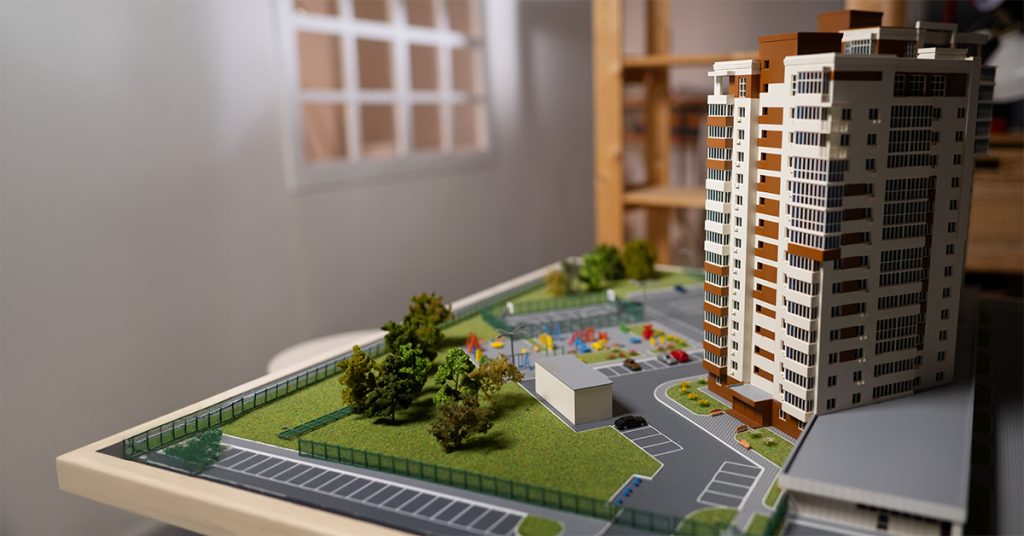

It’s a dream most families share — to step through the front door of a home that is truly theirs. Not a rented flat where the landlord decides the paint colour. Not a structure patched every monsoon with tarpaulin. A pucca house — built to last, with walls that don’t crack in the heat and a roof that doesn’t leak when the rain comes down hard.
For millions of Indians, that dream has been out of reach. But over the last few years, the Government of India’s Housing for All mission — run through the Pradhan Mantri Awas Yojana (PMAY) — has been closing that gap, brick by brick.
If you’ve heard of PMAY but aren’t sure how it works, who can apply, or what’s changed recently, this guide will take you through the details — clearly, without heavy jargon, and with a few tips to help you avoid the common mistakes that leave many applications stuck.
1. The Big Picture: Two Paths to the Same Goal
PMAY isn’t one single scheme — it has two main branches:
1. PMAY–Urban (PMAY-U 2.0)
Launched in September 2024 as the updated urban mission, this targets families living in towns and cities without a pucca house.
2. PMAY–Gramin (PMAY-G)
Focused on rural India, PMAY-G has been extended till March 2029, with a target of building 2 crore more houses for those without adequate shelter.
While the ultimate goal is the same — to provide a strong, all-weather home — the eligibility, process, and benefits differ for urban and rural applicants.
2. PMAY–Urban 2.0: Who Qualifies and What You Get
Eligibility Criteria (Urban):
- No pucca house anywhere in India — by you or any immediate family member.
- Annual household income:
- EWS (Economically Weaker Section): Up to ₹3 lakh
- LIG (Low Income Group): ₹3–6 lakh
- MIG (Middle Income Group): ₹6–9 lakh (under certain interest subsidy provisions)
- EWS (Economically Weaker Section): Up to ₹3 lakh
- Must be part of the official demand survey or verified by the local urban body.
- Female ownership is mandatory for most categories — the property must be registered in a woman’s name or jointly with a male co-owner.
Components of PMAY-U 2.0:
- Beneficiary-Led Construction (BLC): Central assistance up to ₹1.5 lakh for construction on your own land.
- Affordable Housing in Partnership (AHP): Assistance for projects developed in partnership with state/local bodies.
- Interest Subsidy Scheme (ISS):
- 4% interest subsidy on a loan amount up to ₹8 lakh.
- Max house value ₹35 lakh, carpet area up to 120 sqm.
- 4% interest subsidy on a loan amount up to ₹8 lakh.
Priority Beneficiaries:
- Widows and single women
- Senior citizens
- Persons with disabilities
- SC/ST/OBC households
3. PMAY–Gramin: Who Qualifies and What You Get
Eligibility Criteria (Rural):
- Listed as houseless or living in kutcha/dilapidated houses in the SECC 2011 database or Awaas+ survey.
- Name validated by the Gram Sabha.
- No pucca house owned by any family member anywhere in India.
- Not already a beneficiary of any government housing scheme in the past 20 years.
Benefits under PMAY-G:
- Financial assistance for a pucca house with basic amenities.
- Convergence with other schemes for toilets, LPG connection, drinking water, and electricity.
- Size: Minimum 25 sqm house with a hygienic cooking space.
- Payments made in installments linked to construction progress, directly into the beneficiary’s bank account.
Special Priority:
- Female head of household ownership
- SC/ST households
- Landless labourers
- Persons with disabilities
4. The 2025 & 2029 Housing Vision
The original PMAY-U had a deadline of December 2024, but with PMAY-U 2.0, the government has set fresh targets to meet the growing demand in urban areas. Meanwhile, PMAY-G’s extension to 2029 signals a long-term commitment to rural housing.
These aren’t just dates on paper — they’re windows of opportunity. If you qualify today, waiting could mean missing out on financial aid or facing stricter eligibility rules in the future.
5. How to Apply — Step by Step
For Urban Applicants (PMAY-U 2.0):
- Check if you meet the income, property, and family ownership rules.
- Visit pmay-urban.gov.in and fill out the application form under the “Citizen Assessment” section.
- Submit Aadhaar details, income proof, and property documents.
- Wait for local urban body verification and inclusion in the beneficiary list.
- For ISS benefits, apply through your bank or housing finance company.
For Rural Applicants (PMAY-G):
- Check your name in the beneficiary list at pmayg.nic.in.
- If listed, complete the registration process through the Gram Panchayat.
- Provide Aadhaar, bank account details, and land ownership proof (if applicable).
- Follow the instalment-linked construction process as monitored by the local authority.
6. Common Reasons for Rejection
- Owning property elsewhere — even in another city or in the name of a family member.
- Not on the SECC/Awaas+ list (for rural) or the urban demand survey.
- Incorrect documentation — mismatched names between Aadhaar, bank account, and property records.
- House size or value exceeding the scheme limit (urban).
Tip: Cross-check all personal details on every document before submitting — a single mismatch can cause months of delay.
7. The Role of a Strong Foundation
Getting a house sanctioned under PMAY is only the first step. The next is making sure it’s built to last — with walls that won’t crack and a roof that can handle decades of rain and heat.
A pucca house is only as strong as materials used. That’s where choosing high-quality cement, like JK Super Strong, and a smooth, protective wall finish makes the difference between a house that needs repairs every few years and one that your children can inherit without major fixes.
FAQ
Q1: Who is eligible for PMAY-U 2.0?
Families without a pucca house, earning up to ₹9 lakh/year, and meeting size/value limits for the property.
Q2: Can women apply for PMAY?
Yes — in fact, female ownership is mandatory for most categories.
Q3: What is the last date for PMAY-G?
March 2029.
Q4: Can I get PMAY benefits if I already own land?
Yes, as long as you don’t own a pucca house and meet income and other criteria.