
Let’s say you’re finally ready to buy your home. You’ve scrolled through enough property sites, checked out a few flats, and even decided on the layout, the design, and the interiors. But now comes the real part: figuring out the money.
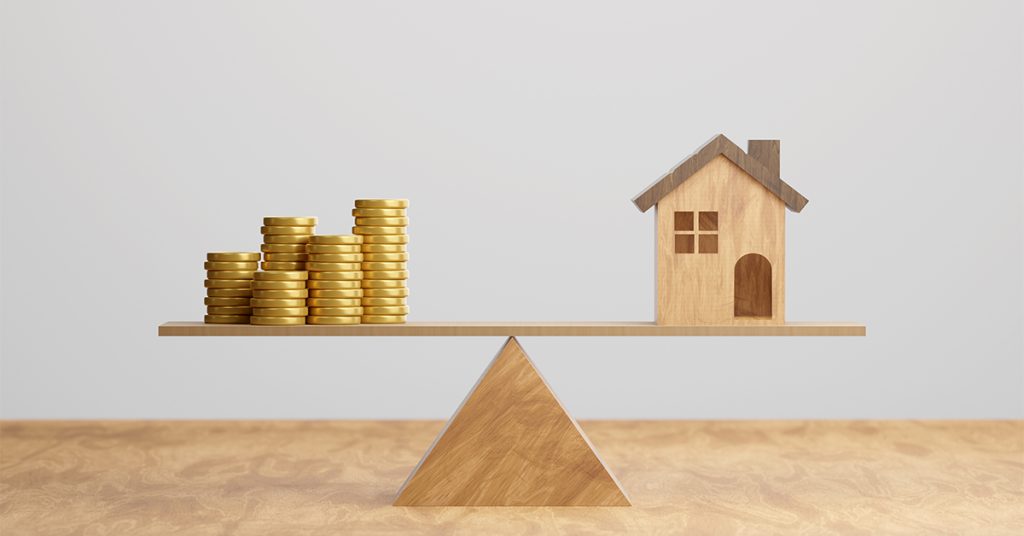
A personal loan or a home loan? Both sound tempting. But when it comes to buying property, understanding home loan vs personal loan isn’t just a technical decision — it’s a real-life money choice that’ll affect your mornings, EMIs, and sleep.
This blog will break down the differences and benefits.
Home loan vs Personal loan
Every loan is designed for a purpose.
A home loan is meant for property purchases. Banks lend you a large sum, use the property itself as security, and offer low interest because they know you’re putting it into a real, solid asset. It’s a slow, steady journey built to take you far.
A personal loan is designed for quick, small needs like a wedding, a medical emergency, or a holiday. No questions asked, no collateral, fast approvals. But the interest? Much higher. This one’s fast to start, but very expensive over time.
Cost: What It Does to Your EMI
Say you need 30 lakhs to buy a flat.
If you take a home loan at 8.5% interest for 20 years, your EMI is around ₹26,000.
But a personal loan of ₹30 lakh at 13% interest for 5 years? The EMI jumps to ₹68,000+.
That’s a huge difference. Same loan amount, completely different repayment journey. That’s the core of the home loan vs personal loan debate—cost over time.
Purpose Matters, Especially to Banks
When you apply for a home loan, the bank wants to know the details – location, builder approvals, legal clearances. It feels long-winded, but it’s a good thing. The loan is tied to a clear asset. Your interest rate is lower, your repayment period is flexible (10 to 30 years), and your EMI is affordable.
With a personal loan, it’s just your credit score, salary slip, and a signature. No questions. But you pay for that speed, both in interest and in mental pressure. No tax benefits. No property checks. And often, much shorter repayment time.
Where a Personal Loan Can Still Help
That said, personal loans can still be beneficial. There are situations where they make sense in your property journey:
Say your home loan covers 80% of the cost, but you still need 3–5 lakh more for stamp duty, interior work, or registration. Here, a personal loan can plug the gap.
Or maybe the builder expects payment in 48 hours, and the home loan is still under processing.
Tax Breaks and Other Perks
Home loans come with tax benefits that personal loans simply don’t offer.
Under Section 80C, you can claim up to ₹1.5 lakh of principal repayment.
Under Section 24(b), up to ₹2 lakh of interest payments are deductible annually (if it’s self-occupied).
In contrast, personal loans have no such perks unless you prove it’s used for renovation, and even that’s a long shot.
What About Risk and Security?
Home loans are secured. The property is mortgaged to the lender until you repay. If things go wrong, the bank has the right to auction the house, but only after months of notices and chances to restructure.
Personal loans are unsecured. No property papers involved. But default here hits your credit score hard and fast. And because it’s short-term, recovery agents may come calling sooner than expected.
So while home loans feel heavier, they give more time and structure. Personal loans feel easy, but you carry that burden faster.
What to Keep in Mind
The point of borrowing is to enable, not to trap. So when comparing home loan vs personal loan, ask yourself:
Am I buying a long-term asset (property)?
Do I need time to repay comfortably?
Do I want lower EMI and tax benefits?
If the answer to these is “yes,” then a home loan is the way.
If you’re bridging a small gap or facing an urgent, short-term cash need, then a personal loan is okay, as long as it’s small and temporary.
Property buying is a foundational move. It’s okay if it takes a few more days or some paperwork. When you use the right financial tool, you sleep better. The home loan vs personal loan decision isn’t about speed – it’s about fit. One is made for building homes. The other is for patching gaps. Use them wisely. Because when the EMIs start, and the reality of monthly payments hits, you’ll thank yourself for thinking ahead, not just acting fast.