Take a walk through any older neighbourhood and you’ll notice something quietly shifting – people are returning to single-storey homes. For years, multi-floor houses were seen as the “upgrade,” but now, single-floor house designs and thoughtful single floor house elevation design ideas are finding their way back into conversations, sketches, and final blueprints. It isn’t just about saving money or keeping things simple. It’s about comfort, accessibility, and a style of living that feels relaxed and real – the kind many of us grew up with. This blog takes you through the reasons single-floor house designs are making a comeback.
The Ease of Living on One Level
There’s a certain charm to a home where everything sits on the same floor. No racing up and down stairs, no worrying about older parents climbing steps, no fear of children slipping – just easy movement from one corner to the other.
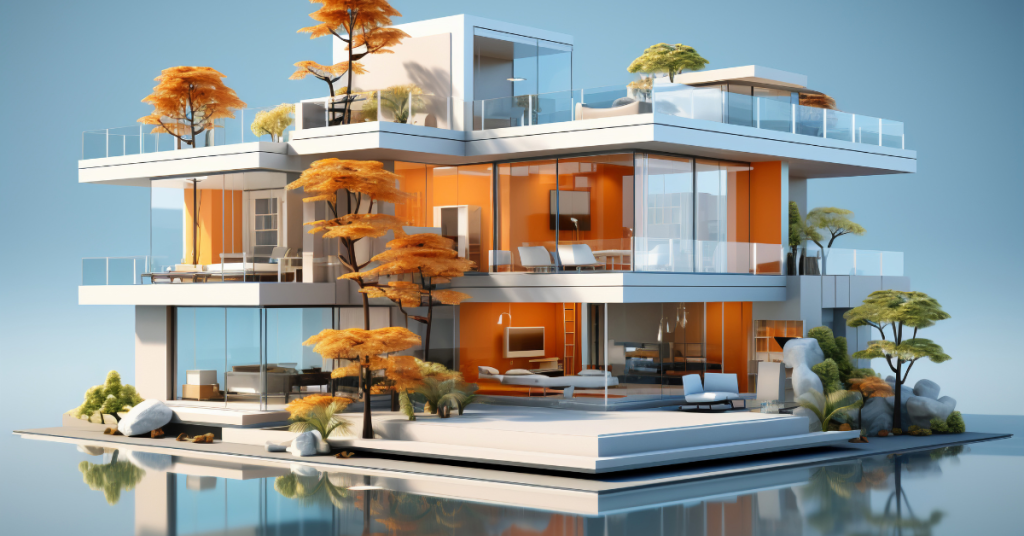
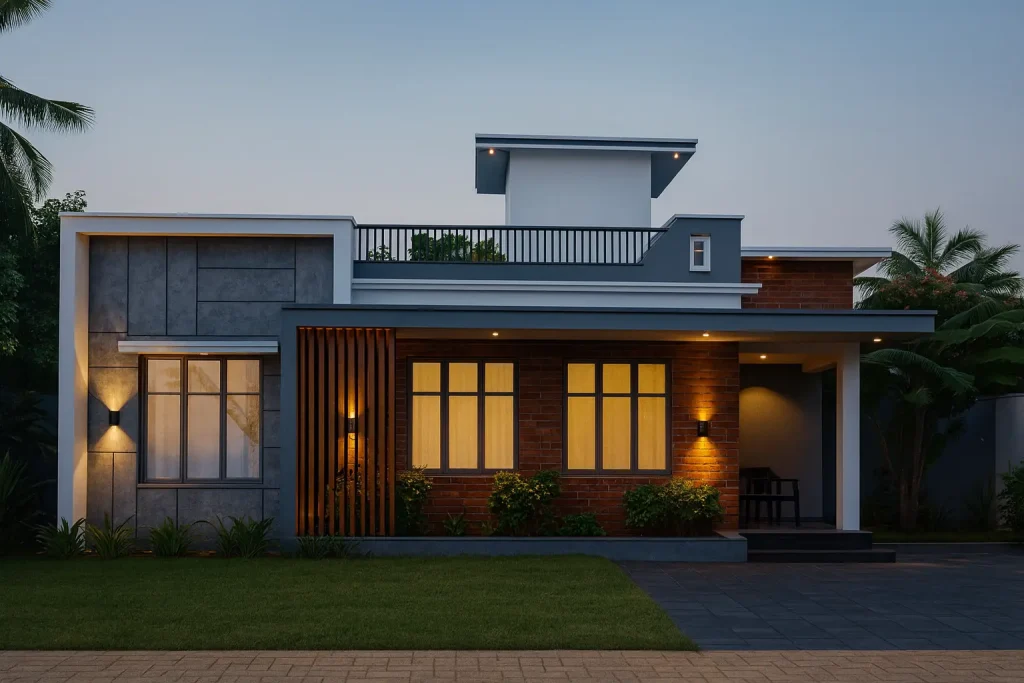
And when done well, a single floor front elevation design can look surprisingly spacious. Long horizontal lines, thoughtfully placed windows, a shaded porch – these little details can make a simple house look polished and inviting.
Ironically, single-floor house designs often feel bigger because you’re not dividing space vertically. Everything flows beautifully, especially when paired with a clean, modern single floor house front design.
Practical and Pocket-Friendly
Construction isn’t cheap anymore, and maintaining multiple floors takes time, money, and effort. That’s why many homeowners prefer single-floor house designs, since they’re lighter on the budget and simpler to maintain.
No extra staircase work, no heavy columns supporting upper floors, no double-height plastering or painting. It’s all built on one level, which keeps expenses predictable. Even electricity bills tend to be kinder.
Plus, with today’s design possibilities, a single floor home front design can look just as stylish as a duplex, especially when combined with a well-balanced single floor house elevation design.
Where Tradition Meets Today
Think back to older Indian homes: courtyards, verandas, and tiled roofs were part of most single-storey structures. They were designed that way for airflow, light, and comfort.
Architects today are taking that logic and giving it a modern twist. You’ll see jali screens paired with glass, traditional sloping roofs with clean façades, or a cosy porch in front of a contemporary single floor house elevation design.
It’s the best of both worlds – old-world comfort with new-age finishes that suit today’s single-floor house designs perfectly.
Space That Actually Makes Sense
People often assume single-storey houses lack space, but a smart layout says otherwise. A good plan fits everything – a roomy living area, a functional kitchen, bedrooms with privacy, and even a tiny backyard if the plot allows.
What makes these homes feel warm is how naturally they flow. Families don’t get split across floors, and there’s a sense of staying connected without trying too hard.
A thoughtfully planned single floor house front design gives direction to the rest of the layout, tying together the exterior and interior of modern single-floor house designs seamlessly.
Perfect for Every Age Group
Single-floor house designs work whether you’re raising toddlers or caring for ageing parents. No stairs means fewer risks and far less stress.
Even if you’re planning for the long haul, a single-storey structure ensures comfort as you grow older. No need for lifts or remodels later.
This ease of accessibility is one of the biggest reasons homeowners are turning back to single-level layouts supported by a safe, simple single floor home front design.
Making a Lasting First Impression
The elevation sets the tone before anyone steps inside. With the right styling, a single floor house front design can make a bold impression.
Stone cladding, hints of wood, soft lighting, and a neat verandah can transform a modest home instantly. Add a pergola or a small green patch and the warmth doubles.
Even basic single floor front elevation design ideas can look premium with the right textures and lighting choices.
Room to Grow Later
One of the biggest perks of single-floor house designs is how easy they are to extend. Need a guest room or home office later? Just expand sideways.
This flexibility is why architects often recommend single floor house elevation design for small and mid-sized plots—it leaves room for the future.
Repairs and renovations also stay simple because everything is accessible without ladders or scaffolding.
Naturally Sustainable Living
Single-storey homes tend to be more eco-friendly by default. They use fewer materials and consume less energy.
Rainwater harvesting, solar panels, and natural ventilation also blend better with the proportions of a single floor home front design.
Pair sustainability with smart planning and you get single-floor house designs that are both comfortable and earth-friendly.
Design Ideas That Always Work
Some lovely additions that enhance most single-floor house designs:
• A cosy front porch
• Wood-textured panels mixed with concrete
• Skylights for natural brightness
• A vertical garden or green corner
• Long horizontal windows for a modern single floor front elevation design
None of these require a huge plot-only thoughtful detailing.
Single-storey homes have an intimacy you can’t get with extra floors. You hear laughter from the kitchen, conversations flow easily, and the home feels close and warm.
That’s what makes single-floor house designs special – practical, comfortable, and deeply personal. They let you live fully on one level without the fuss of climbing stairs.
When everything you love fits into one easy flow, that’s not a compromise – that’s smart living, lifted beautifully by the right single floor house front design.
FAQs
1. Why are single-floor homes becoming popular again?
They are easier to maintain, safer for all ages, and more budget-friendly than multi-storey homes.
2. Can a single-storey home look modern?
Definitely. Clean lines and warm textures elevate any single floor front elevation design.
3. Are single-floor houses cheaper to build?
Yes, since structural requirements are simpler.
4. Can I add more rooms later?
Yes, sideways expansion works well with most single-floor house designs.
5. How can a small single-floor home feel spacious?
Use big windows, airy layouts, and lighter colour tones.
6. What are the latest trends in exteriors?
Warm lighting, earthy textures, and sleek single floor house elevation design styles are trending.