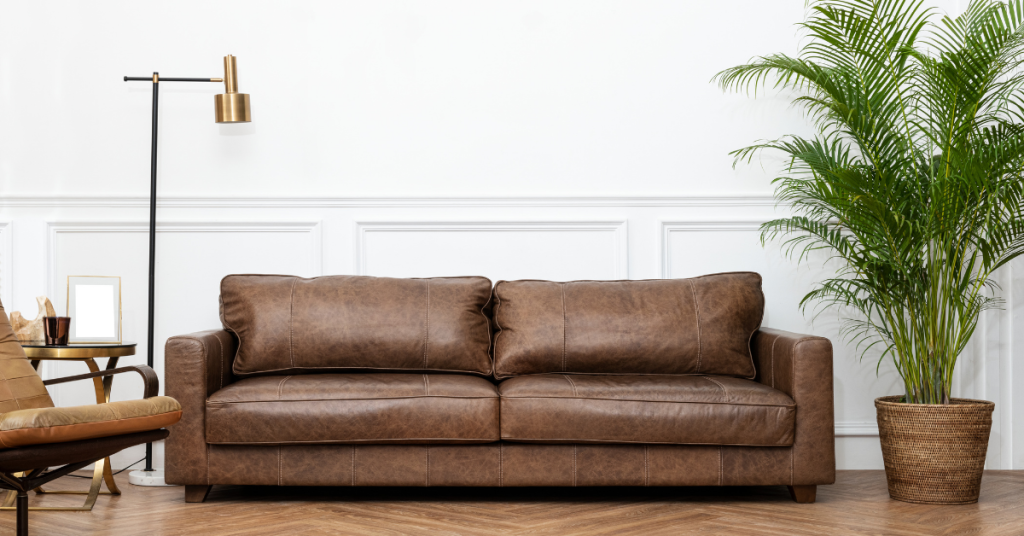
If there’s one thing every home has in common, it’s the sofa. That one spot where everyone ends up – for tea, TV, long talks, or just to stretch out after a long day.
Choosing the right living room sofa design isn’t about how fancy it looks in a catalogue.
It’s about how it fits your space, your family, and the way you actually live.
The minimalist look – clean, simple, and functional – has become popular for a reason.
It keeps the room feeling light but still comfortable.
The Beauty of “Less Is More”
Minimal doesn’t mean empty. It means easy on the eyes, easy to maintain, and easy to live with. When you pick a minimalist living room sofa design, look for something simple.
- Straight lines, narrow arms, and legs that lift it slightly off the ground. It makes even a small hall feel open.
- Light colours like beige, off-white, or grey work beautifully.
- If your home sees a lot of use (kids, guests, pets), go for mid-tones like taupe or stone grey – they hide everyday wear well.
- A sofa for a small living room should never block walkways or make you shift sideways to pass by. Let it breathe.
Choosing the Right Shape for Your Space
Every room has its rhythm. What makes a good sofa design for a small living room is flexibility without fuss.
- If yours is long and narrow, stick to a straight sofa or a simple L-shape pushed against one wall.
- In open layouts, you can use the sofa to subtly mark the seating zone.
- For smaller homes, modular sofas are a game-changer.
- You can pull a section out when friends come over or push it back on quieter days.
Fabrics That Feel Like Home
The fabric makes or breaks comfort. When you’re picking a drawing room sofa, think about how the fabric will age.
- Cotton and linen are soft and airy – great for humid cities.
- Faux leather looks sharp but can feel warm in summer.
- A blend of polyester and cotton usually hits the sweet spot between comfort and durability.
- Something with a bit of texture hides stains better than flat, smooth ones.
Comfort Is in the Details
A minimalist sofa can still be cosy – it’s all in the details. The best sofa ideas for a small living room keep things light and uncluttered.
- Seat height, cushion firmness, and depth decide how comfortable it’ll be.
- If you like sitting cross-legged or lounging, pick a sofa with medium depth and slightly firm cushions.
- A few soft throws or two simple cushions are enough. Don’t overcrowd it.
Colours That Calm, Not Clutter
Colour isn’t decoration; it sets the tone. A clean sofa design for a small living room doesn’t fight for attention — it blends in and balances the room.
- Neutral shades calm the space.
- Earth tones like sand, clay, or muted green make it feel grounded.
- For smaller spaces, light colours bounce more light around, making the room look bigger.
- If you want a bit of contrast, add it with a rug or wall art, not the sofa itself.
Pair It with the Right Furniture
A sofa looks best when the rest of the room supports it.
- Slim coffee tables, open shelves, and small side tables work better than bulky storage units.
- Avoid heavy wooden blocks that crowd the view.
- If you’re looking at furniture designs for the hall, go for pieces that multitask —
- an ottoman with hidden storage, nesting tables, or a bench that doubles as seating when guests drop by.
- Keep enough walking space between furniture. A clean layout always feels more comfortable.
Light Brings It All Together
Good lighting can make a simple sofa look like out of a catalogue. Living room interior design doesn’t mean plain white tubes – it means light that makes the room feel calm.
- If your hall gets sunlight, place the sofa near the window — not right under it, but close enough for natural glow.
- In the evenings, use warm lighting.
- A floor lamp beside the sofa instantly makes the space inviting.
Mixing Tradition with Modern Lines
Minimalist homes don’t have to feel cold or western. Modern lines with homely touches – that’s what makes a space feel lived in.
- You can keep the modern look and still add a bit of Indian warmth – a jute rug, brass lamp, or a wooden side table.
- Even a neutral drawing room sofa looks beautiful with handwoven cushions or a colourful throw.
Small Living Room? No Problem
If your living room is small, design smart.
- Pick a sofa for a small living room that’s raised on legs – it shows more floor and makes the area look airy.
- Avoid deep, bulky designs or large corner units that eat up space.
- A single three-seater and one accent chair are often enough.
- You don’t need a full set to make the room complete – just pieces that work together.
- Add wall-mounted shelves or a mirror behind the sofa to create a sense of openness.
A good sofa doesn’t just look right on day one – it stays comfortable year after year. You don’t notice the furniture – you just enjoy being there. That’s the real goal of a good living room sofa design — comfort without clutter, design without drama.
Minimal sofas hold their shape better because they skip unnecessary bulk. When your sofa fits your space and your lifestyle, the whole room feels balanced.
FAQs
1. What sofa style works best for small homes?
Compact two- or three-seaters with open legs work best. They keep the room light and easy to move around.
2. Which fabric is best for daily use?
Cotton blends or linen are great for comfort; synthetic mixes are better if you want less maintenance.
3. How do I make a small hall feel bigger?
Stick to light colours, simple furniture lines, and good natural light. Avoid over-decorating.
4. Can I mix traditional furniture with a modern sofa?
Yes. A modern sofa looks great with a wooden centre table or handwoven rug – it keeps the balance.
5. What’s a practical colour for a family home?
Mid-tone shades like grey or sand hide stains well and still look elegant.
6. How often should I change sofa cushions?
Rotate them every few months and replace the filling every 2–3 years if it starts sagging.
7. What other furniture pairs well with a minimalist sofa?
Low coffee tables, nesting tables, and open shelves — nothing bulky or high. Keep it easy and open.
That’s what modern minimalism is really about: comfort that looks effortless.