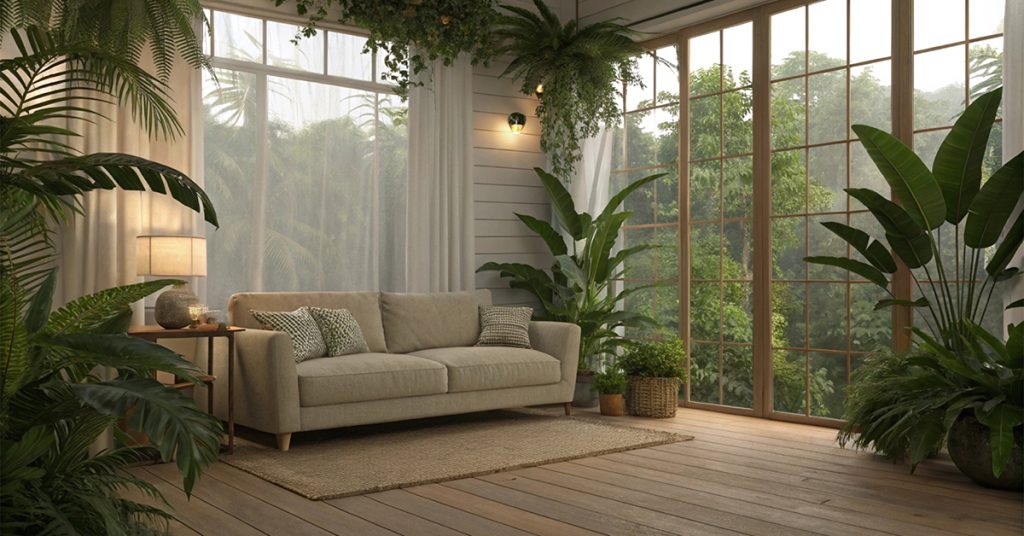
It doesn’t always start with a grand plan. Sometimes, it’s just one potted palm in the corner of a freshly painted living room. Or a money plant that winds its way along the kitchen window, catching little bits of morning light. Before you know it, the house begins to feel different — softer somehow, calmer, more alive.
We’ve grown up around this idea without even naming it. The shaded courtyards of old Rajasthan havelis, the verandahs in Kerala where ferns spill from clay pots, the tulsi plant in the middle of the courtyard in a Maharashtra home — all brought nature into the heart of living spaces. Today, architects call it biophilic design. But in India, we’ve known for centuries that a home is better when it breathes.
What’s changed now is how seamlessly we can make greenery part of the floor plan. Whether you’re in a compact city apartment or building a sprawling villa, materials, lighting, and waterproofing options have caught up with our love for plants. That means your indoor garden home can be as practical as it is beautiful — no more damp walls, no more water stains creeping under the paint.
Why greenery changes the way a home feels
You can list the benefits on paper — cleaner air, better humidity, natural cooling — but the truth is, the difference is something you feel. A small cluster of plants can turn a room from “finished” to “lived in.” There’s science behind it too: greener spaces can help lower stress, improve focus, and even make sleep more restful.
In our climate, plants do more than decorate. They can shield a west-facing room from harsh summer sun, bring back a little moisture during dry months, and quietly filter out invisible pollutants. It’s comfort, wellness, and design working together.
Working greenery into your home’s design
Every home has its own possibilities — the trick is finding the right fit for your layout and lifestyle.
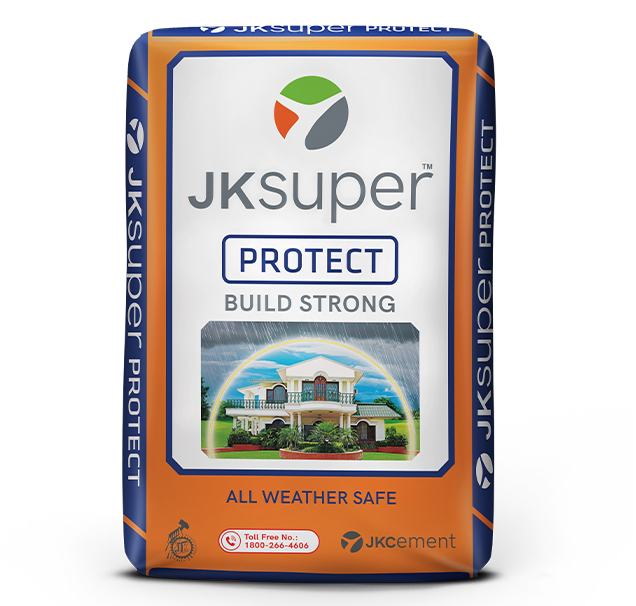
An atrium garden is as close as you can get to a private courtyard. Light pours in from above, plants grow tall and lush year-round, and the space feels like an oasis in the middle of the home. If you choose this, moisture-resistant wall finishes and water-repellent cement (like JK Super Protect Weather Shield Cement) are your best friends to prevent seepage.
In smaller homes, vertical gardens make the most of every square foot. A living wall can turn a balcony into a leafy escape or act as a room divider that looks good from both sides. Just make sure there’s proper waterproofing and a simple irrigation setup to keep the greenery thriving.
Some people prefer green corners — a tall bamboo palm near a reading chair, a row of peace lilies by the window, or a group of terracotta pots under the stairs. These little pockets of life can be moved or rearranged whenever the mood changes.
And then there’s the charm of tabletop gardens and terrariums. A glass bowl with a few succulents and pebbles on the dining table, or a sealed jar garden on your study desk — they’re low-maintenance but still bring that spark of nature indoors.
Light, air, and water: the three essentials
Plants may adapt, but they have their needs.
- Light: South- and east-facing windows are perfect for sun-loving plants. In low-light rooms, consider discreet grow lights built into ceiling coves or shelves.
- Air: Good airflow prevents fungus and keeps plants healthy. Even a small skylight that opens can make a difference.
- Water management: Raised planters with lined bases keep water from seeping into floors. Here, using moisture-proof finishes — backed by high-quality cement products — ensures your walls and floors stay intact for years.
Choosing the right plants in home design
Not all plants like the same conditions, so pick those that match your space and schedule:
- Areca Palm & Bamboo Palm — for bright, indirect light
- Money Plant (Pothos) — grows in soil or water, thrives almost anywhere
- Peace Lily — elegant and forgiving in low light
- Snake Plant — survives neglect, great for bedrooms
- Aloe Vera — medicinal, sun-loving, perfect for kitchens
Keeping it stylish and uncluttered
Indoor garden homes work best when the greenery feels intentional, not scattered. Group plants by size or leaf type, match planter styles to your interiors, and give each plant breathing space. Terracotta for rustic warmth, ceramic for a modern touch, or metal for industrial charm — the right planter can make as much impact as the plant itself.
Building for the long term
Moisture is the quiet enemy of indoor gardens. Without the right base, water can damage plaster, bubble paint, and even weaken structural elements over time. Choosing moisture-resistant cement and premium wall putty like JK WallMaxX means your home stays as healthy as your plants. That’s the kind of foundation every sustainable design needs.
A homeowner’s reflection
“Every morning, I water the plants before breakfast. The smell of damp earth makes the house feel fresh, even on the hottest days.” — Ramesh, Ahmedabad
FAQs: Indoor Green Spaces in Home Design
1. Can I have an indoor garden home in a small flat?
Yes, with wall-mounted planters, compact potted clusters, or vertical gardens.
2. What’s the easiest plant for beginners?
Snake plant, pothos, and aloe vera — they’re forgiving and adapt well.
3. How do I stop water from damaging my walls?
Use waterproof planters and moisture-resistant wall finishes like JK Super Protect Weather Shield.
4. Will plants grow in low light?
Yes — choose low-light varieties like ZZ plants and peace lilies.
5. Do indoor plants really clean the air?
Many common houseplants filter toxins and increase oxygen levels.
6. Should I plan for built-in irrigation?
If you have a large or vertical setup, a simple drip system saves time.
7. What’s the best flooring under indoor plants?
Moisture-resistant tiles, sealed stone, or cement floors with waterproofing additives.
8. Can indoor and outdoor plants mix?
Yes, as long as lighting and temperature suit both types.
9. How often should I water?
It depends on the plant and the season — always check soil before adding water.
10. Are indoor gardens high maintenance?
With the right plants and setup, upkeep can be minimal.al.