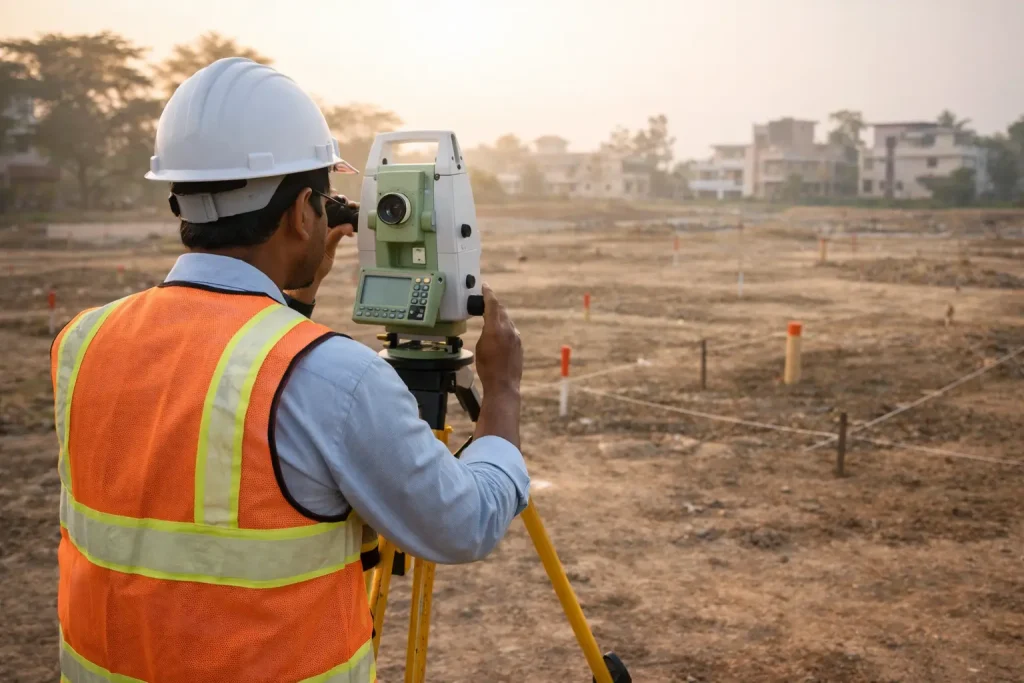
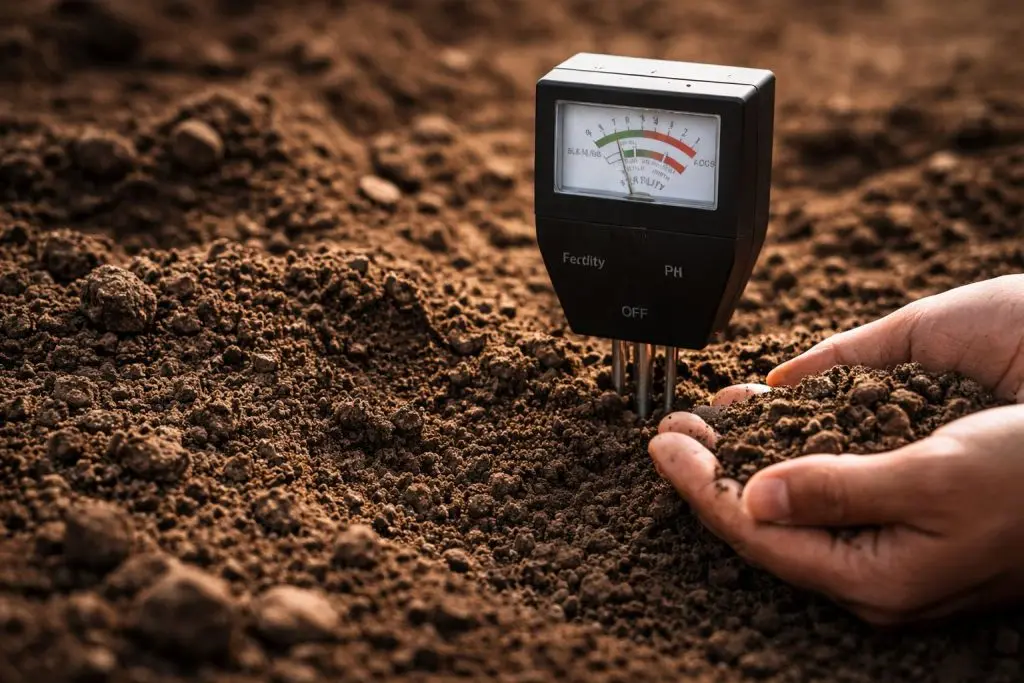
Ask any seasoned contractor in India and they’ll tell you: before you lay a single brick or pour a drop of cement, the first thing to test isn’t material quality — it’s the soil beneath your feet. Yet, homeowners often overlook soil testing, thinking it’s just a formality. Truth is, soil testing for construction can be the difference between a house that lasts generations and one that shows cracks in five years.
I’ve been on sites where families spent lakhs on RCC and branded cement but skipped soil investigation. A few monsoons later, uneven settling caused walls to tilt and floors to crack. On the flip side, projects in Chennai and Jaipur that invested in proper soil testing stood strong even after floods or heat waves. Soil is the foundation.
Why Soil Testing Matters Before Construction
- Load-Bearing Capacity: Every soil type has a safe load it can take (measured in kN/m²). If your soil can’t handle the design load, the structure will sink or tilt.
- Soil Type Identification: Sandy soil, clayey soil, black cotton soil, laterite — each behaves differently under stress and moisture.
- Water Table Level: High water tables affect foundation design and durability.
- Chemical Composition: Salts or sulfates in soil can corrode steel and damage concrete over time.
- Settlement & Compaction: Determines whether soil will compress unevenly when weight is applied.
Types of Soil in India and Their Challenges
- Clay Soil: Swells in monsoon, shrinks in summer → cracks in foundation.
- Sandy Soil: Good drainage but poor cohesion → needs deeper foundations.
- Black Cotton Soil: Highly expansive → considered risky without soil stabilization.
- Laterite Soil: Found in coastal belts, needs protection from erosion.
- Loamy Soil: Balanced, but still needs testing for moisture and strength.
Soil Testing Methods Used on Sites
- Standard Penetration Test (SPT): Measures soil strength at depth.
- Plate Load Test: Determines bearing capacity.
- Auger Boring: Simple, for shallow foundations.
- Core Cutter Method: Finds soil density.
- Chemical Tests: Check for salts, chlorides, sulfates.
Human Reflection
A site engineer in Indore once told me, “Ghar ki taqat neeche se aati hai. Upar ka kaam sab dikhai deta hai, lekin neeche jo galti hui toh koi cement ya steel bachaa nahi paayega.” And he was right. Strong cement and steel still depend on soil integrity.
How Soil Testing Affects Foundation Design
- Shallow Foundation: Used for strong soils (sandy, gravel).
- Deep Foundation (piles, rafts): Needed for weak soils or high-rise buildings.
- Soil Stabilization: Lime, fly ash, or chemical injections used when soil is weak.
Common Mistakes Homeowners Make
- Skipping soil testing to save costs.
- Assuming all plots in one colony have the same soil type.
- Ignoring groundwater conditions.
- Not hiring a certified geotechnical engineer.
Cost Comparison of Soil Testing in India
| Test Type | Typical Depth | Cost Range (₹) | Suitable For |
| Basic Soil Test | 1–2 m | 5,000–8,000 | Small homes |
| Standard Penetration | 5–15 m | 10,000–18,000 | Villas, G+2 homes |
| Plate Load Test | Up to 3 m | 12,000–20,000 | Mid-rise buildings |
| Borehole with Lab Test | 10–30 m | 20,000–40,000 | High-rise, weak soil areas |
Note: Prices vary by city — expect higher rates in metros like Mumbai and Delhi compared to tier-2 towns.
FAQs on Soil Testing for Construction
1. Why is soil testing important before building a house?
Soil testing ensures your land can safely support the building’s weight. Without it, foundations may sink, tilt, or crack within a few years.
2. How much does soil testing cost in India?
Basic tests start at around ₹5,000. More detailed tests like borehole investigations or plate load tests can cost ₹20,000–40,000 depending on depth and city.
3. Can I skip soil testing if neighbors already built safely?
No. Even adjacent plots can have different soil profiles. Always test your own land.
4. What happens if I build without soil testing?
Risk of uneven settlement, wall cracks, dampness, or even structural failure. One case in Nagpur saw a home’s foundation damaged within three years due to black cotton soil—repairs cost over ten times the price of a soil test.
5. Which soil is bad for construction in India?
Black cotton soil is the most problematic because it swells in monsoon and shrinks in summer. Clay soils also need special care.
6. Who conducts soil testing for house construction?
Certified geotechnical engineers and NABL-accredited labs carry out soil testing as per BIS standards.
7. How long does soil testing take?
Typically 3–7 days, including sample collection and lab analysis.
8. Can soil testing detect earthquake risk?
It doesn’t predict earthquakes, but it identifies liquefaction-prone soils in seismic zones—critical for structural design in North and Northeast India.
9. Is soil testing mandatory for building plan approval?
Yes, in major metros like Delhi, Mumbai, and Chennai for larger homes or multi-storey buildings. For individual homes, it’s strongly advised though not always enforced.
10. How often should soil testing be repeated?
Once before construction is enough. Repeat only if construction is delayed for several years or if site conditions (like groundwater levels) change.
Quick Checklist: What to Ask Before Soil Testing
- Which test method fits my soil type and house design?
- How deep should we test for my planned structure?
- What’s the current groundwater level and impact?
- Will the report include foundation design recommendations?
- Can you share sample reports from similar projects?