If you live in an Indian city, you’ve probably seen this yourself.
You step out onto the balcony early in the morning, and there’s that familiar layer of dust sitting quietly on the railing and the plants. You wipe it away, the day moves on, and by evening it gently settles back again.
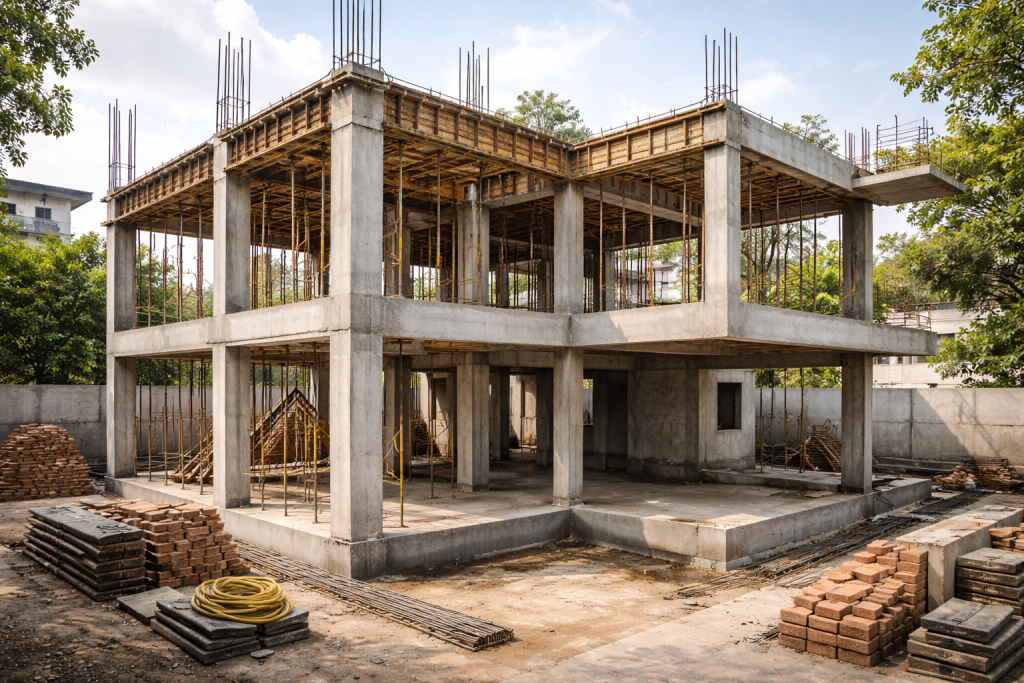
It’s part of life in fast-growing cities. Not all of it comes from traffic or factories — a portion often drifts in from the construction happening around us. As new foundations are dug and buildings rise in places like Delhi, Bengaluru, and Pune, a bit of that activity ends up in the air we breathe.
But here’s the good part: across the industry, there’s a genuine shift happening.
Contractors, engineers, and even small neighbourhood builders are becoming more aware of how their work affects the environment. You see more sites using dust nets, more tankers sprinkling water, more effort going into cleaner, safer practices.
People are realising that cities can grow, skylines can expand, and yet the air doesn’t have to suffer for it. With smarter planning and better on-site habits, construction in India is steadily learning how to build without leaving a cloud behind.
The Real Problem Nobody Talks About
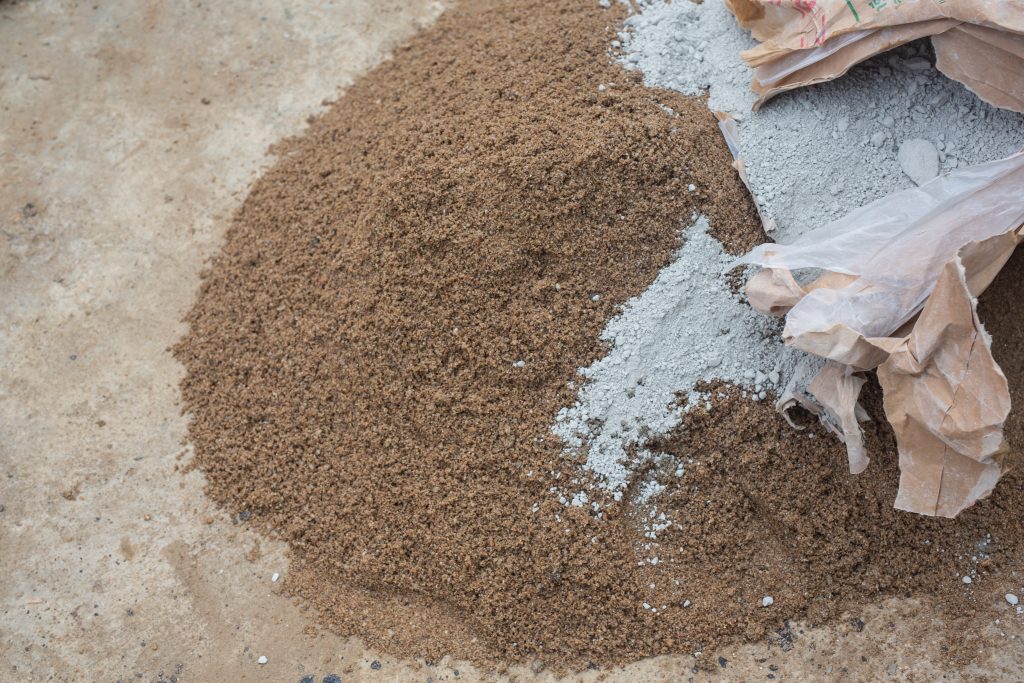
We all love to point fingers at cars and crop burning when pollution peaks, but construction sites are responsible for almost a third of the dust load in many urban areas. Loose soil, uncovered trucks, on-site concrete mixing — all of it rises into the air and lingers far longer than we imagine.
Pausing construction isn’t feasible. The country must keep building and expanding. To prevent more smog, we need to adopt smarter construction air pollution control measures that keep projects moving while protecting air quality.
What “Smart Construction” Really Feels Like on the Ground
When people hear the phrase “smart construction,” they picture robots or futuristic machines. But in reality, smart construction in India is about common sense — about using better materials, cleaner methods, and planning every stage with the neighbourhood in mind.
Take something simple: eco-friendly building materials. Fly ash bricks, AAC blocks, and low-VOC paints aren’t fancy; they’re just smarter choices. They cut down emissions during manufacturing and produce far less waste on-site. More builders are using them now, not because the rules say so, but because it simply makes sense — lighter materials, fewer trucks, cleaner air.
That’s smart construction — not high-tech, just thoughtful.
The Battle Against Dust
Anyone who’s been to a construction site in summer knows how quickly dust can take over. It hangs in the air, settles on nearby homes, and makes breathing heavy. But it’s also the easiest problem to fix if we’re serious about construction air pollution control.
Developers in places like Gurugram and Hyderabad have started using anti-smog guns — machines that spray a fine mist to pin down dust before it drifts away. Some have built washing stations so trucks don’t drag mud onto city roads. Even green mesh fencing around sites can make a visible difference.
Each of these steps is small. But stack them together, and you’ve got what smart construction India should look like — practical, no-nonsense, and community-friendly.
Building Green from the Ground Up
Clean construction isn’t only about suppressing dust; it’s also about what goes into the structure itself. More builders are switching to eco-friendly building materials such as recycled steel, rammed earth, and slag-based cement. These choices slash carbon emissions and improve building performance in the long run.
Look at campuses like Infosys in Hyderabad or the Indian School of Business. Both rely heavily on natural light, shaded courtyards, and ventilation systems that reduce dependence on air-conditioning. When you consume less energy, you indirectly reduce pollution from power plants.
That’s the deeper side of smart construction air pollution control — not just cleaning what you see, but rethinking how buildings breathe once they’re complete.
Technology That’s Actually Helping
Technology isn’t taking over construction — it’s simply making it more precise.
Drones now track dust levels across large sites. Sensors record PM2.5 levels, alerting teams when air quality dips. Prefabrication — where major components are made in factories and assembled on-site — is catching on fast, especially in large metro projects.
It’s cleaner, faster, and a lot safer for workers too. Less grinding and cutting means less dust in the air. Prefab is basically like assembling furniture — minimal mess, consistent quality. And that’s one of the strongest examples of smart construction India in action.
Changing Mindsets Before Machines
Rules can only go so far. India already has frameworks like the Construction and Demolition Waste Management Rules (2016) and the National Clean Air Programme (NCAP). But the real shift happens when site engineers, supervisors, and even clients begin to take pride in doing things cleanly.
These days, many developers voluntarily include eco-friendly building materials in their designs. They talk about sustainability reports and air-quality targets during project reviews. It’s no longer a government requirement — it’s a badge of responsibility.
That’s how change really begins. Delhi often gets painted as the villain in every pollution story, but it’s also where most of the change is happening. Anti-smog guns are now mandatory at large sites. Dust nets, covered trucks, on-site waste recycling — all standard practice.
Ahmedabad and Pune are also experimenting, linking smart construction to control air pollution with faster project approvals and green-building incentives. When regulations and incentives align, builders naturally adopt cleaner habits.
Smart construction in India is proving that urban growth doesn’t have to mean grey skies. constructions are evolving and being naturally conscious.
At JK Cement, we’ve learned that cleaner construction begins long before a project breaks ground. It starts with how the materials themselves are made.
Our plants have already transitioned to alternative fuels and raw materials, cutting down dependency on traditional sources. With over 51% of our power mix now green, we’re on track to reach 75% by 2030. By producing blended cements and reducing clinker content, we’re actively lowering emissions at the manufacturing stage.
Because at the end of the day, smart construction India can’t exist without smart manufacturing.
Building the Future, Cleanly
Every building we raise leaves an invisible mark on the air we breathe. And as cities grow, it’s on us — builders, engineers, and residents — to make sure that mark gets lighter with time.
With cleaner sites, smarter materials, and technology that actually helps, we can build fast without burning out our lungs. Because smart construction in India isn’t about slowing progress; it’s about moving forward with clarity, conscience, and clean air.
FAQs
1. What causes most of the pollution at construction sites?
Uncovered debris, truck movement, and cement mixing — all major culprits.
2. How can smart construction help reduce this?
By combining better planning, dust-control systems, and eco-friendly building materials, construction air pollution control becomes part of daily site practice.
3. Are anti-smog guns really effective?
Absolutely. They cut suspended dust drastically when used regularly on large projects.
4. What counts as eco-friendly material?
Fly ash bricks, AAC blocks, bamboo, recycled steel, and low-VOC paints are eco friendly materials widely available.
5. What quick steps can builders take today?
Cover all materials, wash vehicle tyres, fence sites, and monitor air quality. Simple, inexpensive, and effective.
6. Is smart construction costly?
Initially yes, slightly. But smart construction India pays back fast through efficiency and compliance savings.
7. How can citizens help?
By supporting developers who follow clean-site norms and reporting those who don’t. Clean air isn’t a privilege — it’s teamwork.