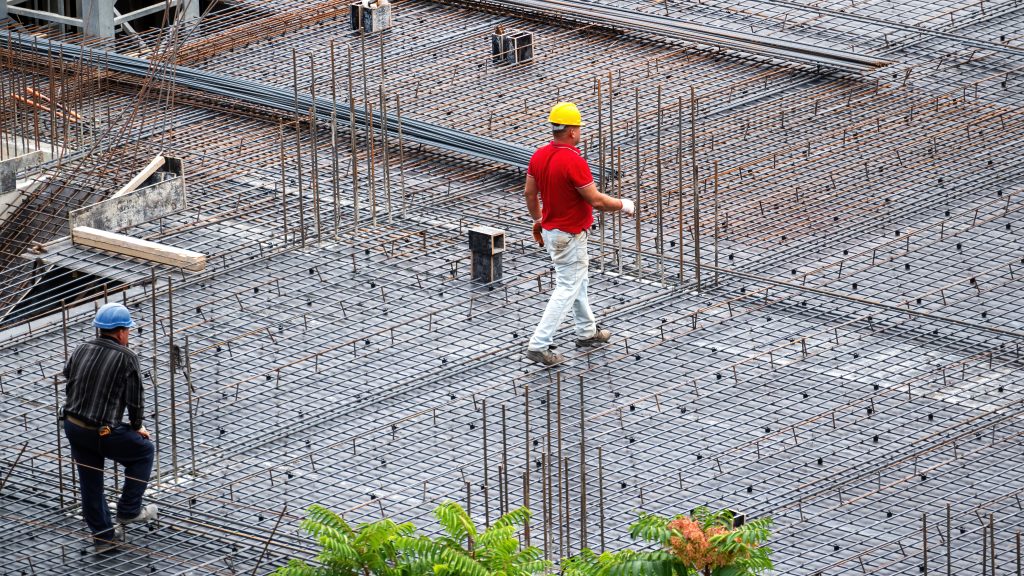
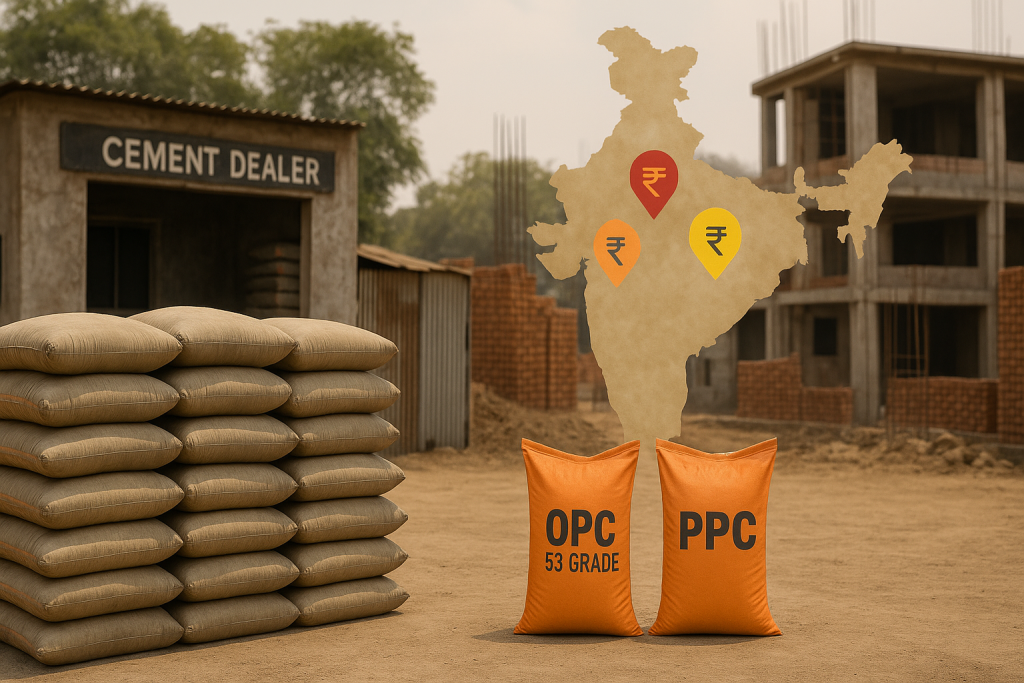
If you’ve ever tried buying cement for a home project — even something small like redoing a bathroom or laying tiles in the courtyard — you’ve probably noticed one thing: cement price keeps shifting.
One day your contractor says the JK Cement Price is steady. Next week, the dealer tells you the rate has gone up by ₹5 per bag. And if you compare states? The difference gets even bigger.
This plays out at countless sites. Whether it’s a big housing project in Jaipur or a small home renovation in Kanpur, everyone asks the same question:
“Why isn’t the cement price the same everywhere?”
Let’s break it down in simple, honest terms — the way we explain it on real construction sites — and understand why JK Cement Price, JK Super Cement Price, and even the Grey Cement Price differ from location to location.
The First Reality: Cement Travels and Transport Isn’t Cheap
Here’s the simplest truth.
Cement may be produced in huge plants, but it still has to be moved across highways, state borders, city outskirts, and small-town godowns.
When you’re checking the JK Cement Price Per Bag, a decent chunk of that price is actually transportation cost.
A truck carrying cement from Rajasthan to Maharashtra easily adds ₹8–₹18 per bag in freight.
Diesel prices go up? Freight goes up.
Toll plazas increase? Freight goes up.
Season changes? Freight definitely goes up.
During monsoons, half the trucks get stuck, delays build up, and small towns feel the pinch first — rates rise because supply slows down.
This alone explains why JK cement price in Uttar Pradesh might differ from the same bag sold in Gujarat.
Local Demand Creates a Local Market — and Local Pricing
Picture this. In cities like Delhi NCR or Bengaluru, construction moves fast. Huge projects. Daily cement movement. High demand. Dealers there stock more, move more, and negotiate better.
Meanwhile, in smaller towns — say Panna or Ujjain — demand is steady but not massive. Dealers order lower quantities, so transport costs per bag increase.
This is why cement price is never one-size-fits-all.
High-demand areas often see slightly stable prices.
Low-demand regions may see higher fluctuations.
This dynamic plays out every summer, when builders rush to finish slabs before monsoons — and suddenly, everyone is checking JK Super Cement Price twice a day.
Dealer Margins Vary More Than People Realize
Every dealer has their own operating cost. Some have godowns inside the city; some far outside. Some offer 2–3 days’ credit; some give month-long credit because the contractor is a long-time customer. Some deliver bags free; others charge per kilometre.
Naturally, their final JK Cement Price Per Bag changes.
A big distributor in a metro city may make ₹4-₹5 per bag. A small-town dealer who sells low volume may need ₹8-₹10 to stay profitable.
And trust me, contractors know this very well. They negotiate hard, and dealer margins adjust accordingly.
Cement Type Matters More Than You Think
Here’s where many first-time homeowners get confused.
Not all cement costs the same — even within the same brand.
Different variants serve different purposes.
For example:
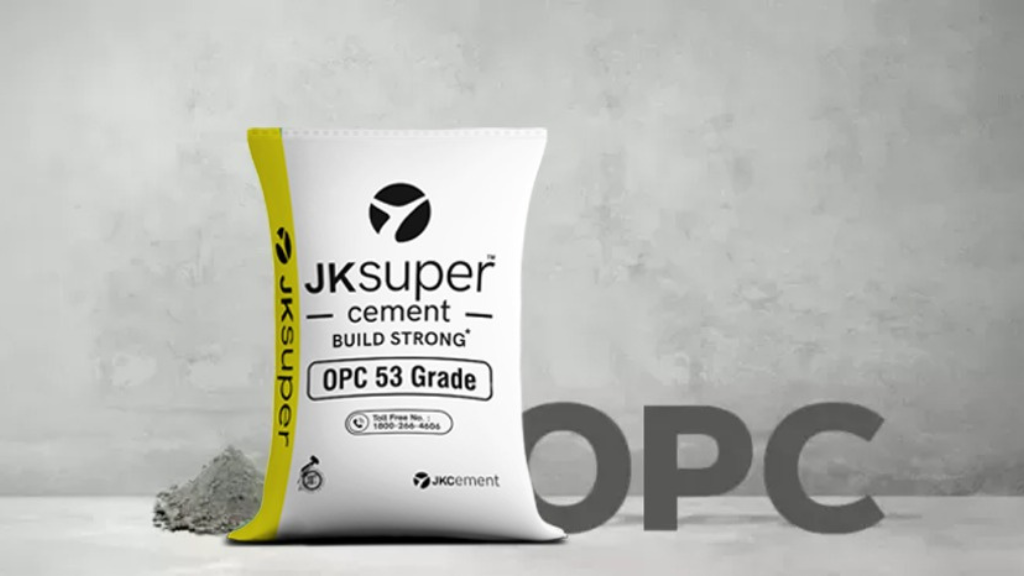
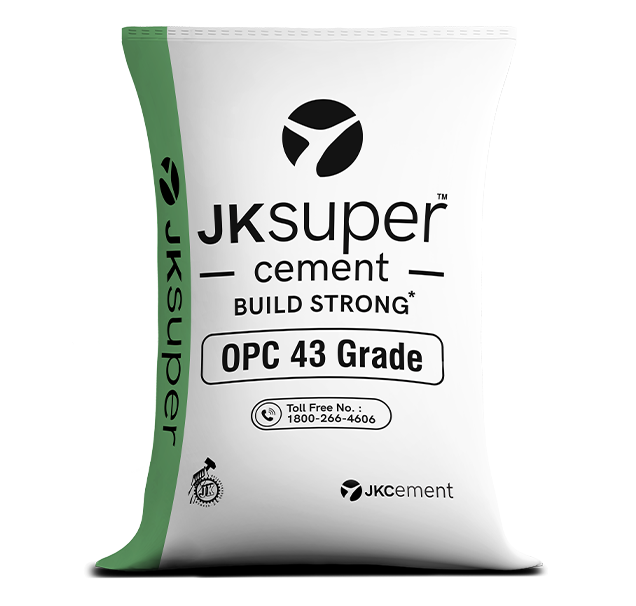
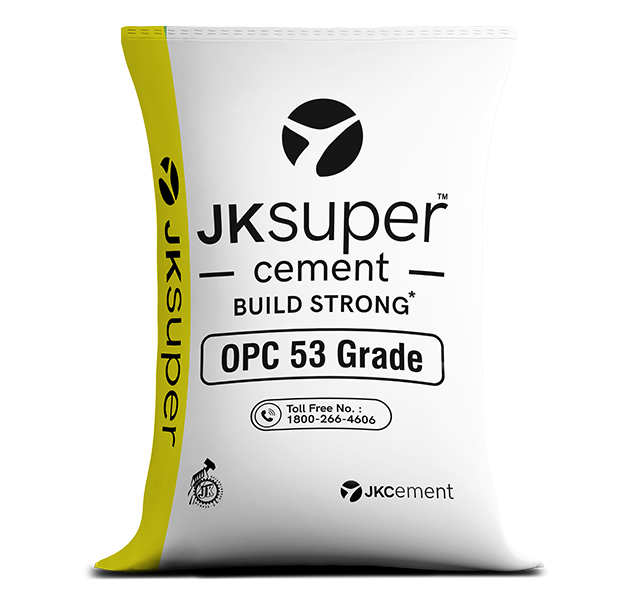
1. OPC 53 Grade
High strength. Needed for structural elements like beams, columns, slabs.
Naturally, the price is slightly higher.
2. PPC (Portland Pozzolana Cement)
More durable in the long run, smoother finish for plaster.
Usually priced a bit lower than OPC.
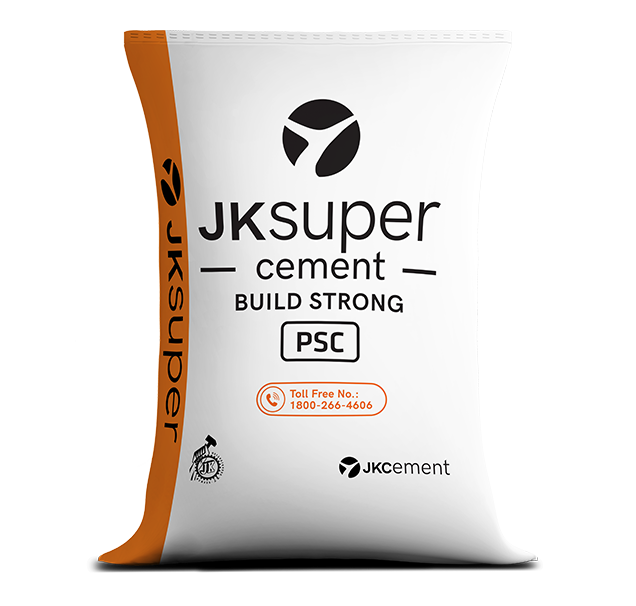
3. PSC (Portland Slag Cement)
Great for coastal areas, high corrosion resistance.
Prices vary depending on availability of slag.
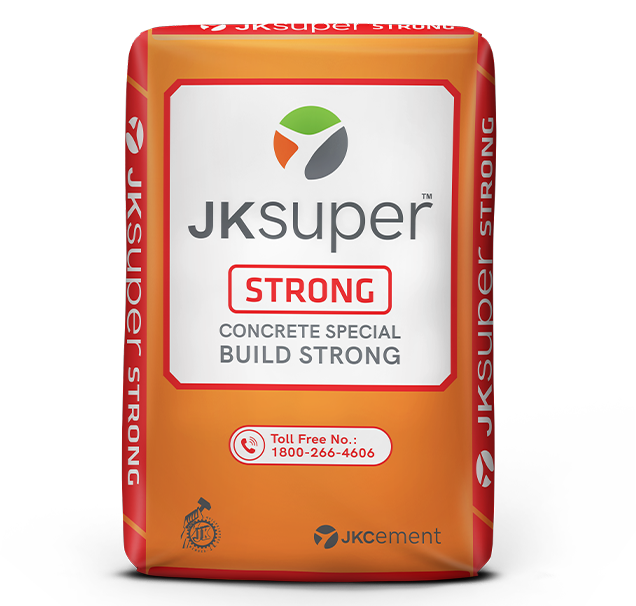
4. Premium products like JK Super Strong or JK Super Cement
These come with advanced additives and higher performance, so the JK Super Cement Price is slightly above regular cement.
The difference between types can be ₹10–₹25 per bag, depending on your city and dealer.
Raw Material Availability Affects Rates Quietly but Consistently
Cement manufacturing depends on:
- Limestone
- Gypsum
- Fly ash
- Clinker
- Fuel (coal, petcoke)
When clinker prices rise, cement prices rise. When fuel gets costly, cement prices rise. When fly ash availability changes due to power plant scheduling, cement prices rise in patches.
You may not see these changes directly, but they show up in the grey cement price within a week or two.
Clinker shortages in peak winter months bump up prices ₹8–₹12 per bag in multiple states.
Brand Factors: Quality Control and Plant Efficiency
Big brands like JK Cement run…
- new-age kilns
- strict quality checks
- strong logistics
- consistent product batches
…so their prices reflect reliability.
If you’re lifting 10 bags for a small job, you may not feel it.
But when a builder orders 10,000 bags for a project, consistency matters more than saving ₹4 a bag.
This is why the JK Cement Price stays relatively stable compared to lesser-known regional brands.
Seasonal Patterns Control Short-Term Price Fluctuations
Ask any contractor — monsoon, summer, and Diwali season have their own cement behaviour.
Monsoon
Slow construction, lower demand → prices stabilize or dip a little.
Summer
Peak slab season → demand jumps → cement price increases.
Festive months (Oct–Nov)
Quick completion deadlines mean cement moves fast → temporary price fluctuations.
Every year the pattern repeats, and it shows up clearly in the JK cement price trends across states.
When Should You Buy Cement? A Small but Useful Tip
If you’re planning a slab:
Buy at least 2–3 days before pouring.
Last-minute buying almost always costs more because you’re forced to pay whatever rate is running that morning.
If you’re doing plaster:
PPC-based cement like JK PPC often has more stable pricing — that can help save cost in slow-demand months.
FAQs
1. Why does the JK Cement Price differ from state to state?
Mostly because of transport cost, local taxes, and dealer logistics. Cement is heavy, and distance directly adds to pricing.
2. Why do two dealers in the same city quote different rates?
Their margins, rent, credit terms, transport distance, and stock levels vary — so the final cement price also varies.
3. Which is better for home construction — OPC or PPC?
OPC for slabs and structural work; PPC for plaster, masonry, and overall durability. Prices differ slightly.
4. Why is the JK Super Cement priced higher?
Because it’s a premium, performance-driven cement with higher strength and better additives.
5. Does buying more bags reduce the JK Cement Price Per Bag?
Yes, bulk orders usually get better negotiation because transport cost gets distributed.
6. Why does cement price change during monsoon?
Demand drops, logistics slow down — prices often stabilize or dip slightly in many regions.
7. How can homeowners check the latest Grey Cement Price?
You can ask your nearest dealer, contractor, or use the official JK Cement website — but always verify locally because prices are region-specific.