What Does ‘Digital Twins’ Mean in Cement Manufacturing?
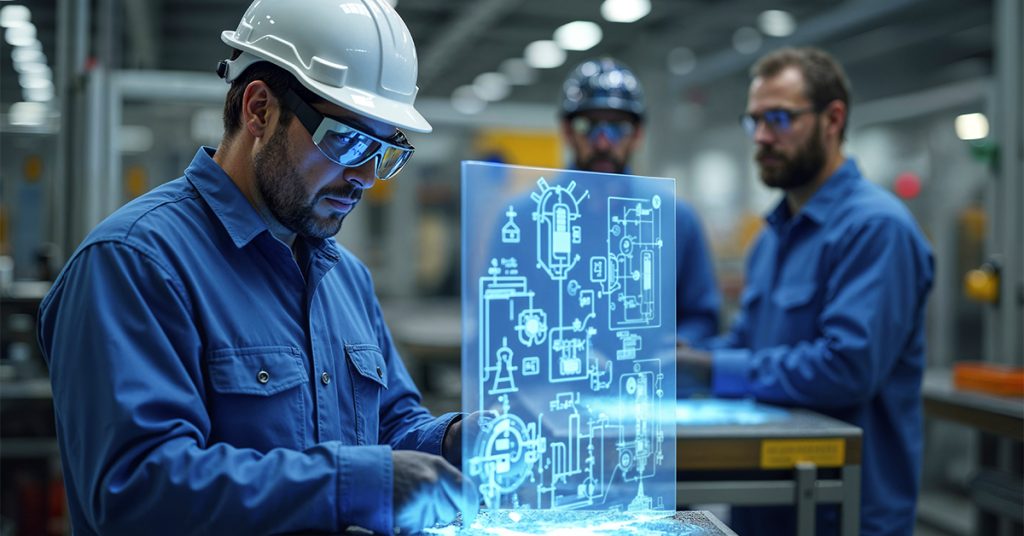
Think of a digital twin as a high-tech mirror of a physical cement plant – everything from kilns to crushers gets duplicated in the digital world. By feeding real-time sensor data into this virtual replica, plant managers in India can instantly see how things are running versus how they should run.
This isn’t just for tech bragging. It means when a kiln’s temperature spikes or a mill vibrates oddly, you spot it immediately. You’re not reacting to a breakdown, you’re stopping it before it happens. That’s real-time quality control in action, no guesswork involved.
Digital Twin Cement Plant India: Boosting Productivity
Big Indian players are using digital twins to tune up their entire operations. The result?
- Up to 15–20% better operational efficiency
- Much higher plant availability
- Clearer data, better decisions, fast.
It’s like giving your cement plant a brain and a memory, so it learns and improves over time.
Real-Time Quality Control & Cement Optimisations
Monitoring quality isn’t just a lab test; it’s live. Sensors track particle size, kiln gas, moisture, vibrations, energy use, and digital twins blend all that to detect tiny deviations from standards.
If mill quality dips or clinker proportions shift, the system flags it instantly. That allows engineers to tweak settings—grinding time, burner mix, airflow—without delays or data lags
It’s precise, proactive, and based on real data. No more waiting for lab reports—millions get saved in material, time, and consistency.
Predictive Maintenance: Saving Uptime & Money
Downtime in cement is expensive. Every hour a kiln halts can cost a fortune. With digital twins predicting problems, like an overheating kiln refractory or a noisy mill bearing, maintenance teams act before trouble strikes
Case studies show around 15–30% fewer unplanned shutdowns, and equipment life can stretch 20% longer. That’s not magic – it’s smart digital optimization with real results.
Cement Optimisations & Energy Savings
A cement plant is like a furnace: expensive to run. Digital twins crunch energy data across kilns, mills, fans, cooling towers, and compress every watt they can
Some plants report 10–15% lower energy use just from fine-tuning operations and reducing idle time. That cuts costs, emissions, and headaches all at once.
Big Data, AI & Cement Optimisations
With hundreds of variables, like limestone quality cement , coal blends, humidity, a human brain can’t manage them. But a digital twin can simulate thousands of scenarios, learning what works best.
AI and machine learning layered on the twin help it recommend settings autonomously like fuel ratio here, airflow there, to consistently hit quality and energy targets without micromanagement.
Challenges and How to Overcome Them
- Data integration: Sensors, SCADA, legacy systems—all feed into one hub. It’s hard, but doable with a strong data platform .
- Skill gap: Engineers need to learn data science and digital tools. Many Indian companies are training or partnering with tech experts .
- Setup costs: Sensors and software don’t come cheap. But when efficiency gains and preventive savings are factored in, ROI over 2–3 years is solid
- cementequipment.org
Putting It All Together
1. Start small: Pick a kiln or mill and create a digital replica.
2. Feed it data: Sensors measure temperature, vibration, load, emissions.
3. Monitor & simulate: Run scenarios—what if airflow is adjusted?
4. Act quickly: Use alerts for predicted failures or quality shifts.
5. Scale up: Once kiln success is proven, replicate across the plant or group.
The Road Ahead in India
The Indian cement industry is undergoing a quiet revolution—from manual operations to smart, data-driven plants. Some cement giants are already piloting or scaling digital twins for better quality, energy-saving cement optimisations, and sustainability.
Even smaller plants can benefit – many now retrofit IoT sensors and remote dashboards, making real-time monitoring accessible and affordable.
Why It Matters Beyond the Plant
Better cement means fewer repairs and safer buildings. Lower energy use means less CO₂ India’s cement sector is a big pollution player. Smarter plants reduce carbon footprints and align with national goals.
Digital twins turn cement manufacturing from a heavy industry into a smart, efficient landscape – safer, greener, and automated.
It’s like having a fitness tracker not just for yourself, but for your house. Sensors keep tabs on heartbeat (vibration), temperature (body heat), and diet (energy). When something’s off, you fix it before it causes a crisis. Every brick laid has quality, life, and energy efficiencies built into its DNA.
Digital twin cement plant India projects are about real‑time quality control, predictive maintenance, energy savings, and AI‑driven cement optimisations. They bring cement plants into the modern era: responsive, sustainable, and cost-effective. Yes, upfront costs and tech hurdles exist—but so do better cement, healthier budgets, and cleaner cities.
The twin isn’t just digital – it’s a smarter way to build our future.
FAQs
1. How does this improve cement quality?
Because you’re watching the whole process live, any dip in clinker quality or mill performance is spotted immediately. That means quicker tweaks, better consistency, and stronger cement—key goals of cement optimisations.
2. Does a digital twin actually save money?
Yes. Since it predicts and warns before unplanned shutdowns, it reduces shutdown time, improves fuel efficiency, and reduces waste. So even if you spend a bit on setup, it pays back in high-output plants across India.
3. Will this replace people on the shop floor?
Not at all. It is a supports system for them. It is operated by engineers to process faster and make quicker, more efficient decisions.
4. Can it predict failures before they happen?
That’s one of its biggest perks. If a bearing runs hot or a cooler slows down, the twin flags it early. Think of it as an early-warning system that helps you prevent expensive surprises.
5. Is it only for big cement companies?
It started with large players like ACC and Ambuja, but smaller plants in India are catching up. With cheaper sensors and cloud dashboards, even mid-size plants can use digital twins for cement optimisations.
6. How hard is it to set up a digital twin?
You don’t have to digitise the whole plant overnight. Start with one kiln or one line. Connect the sensors, feed in live data, and build from there—step by step. It’s about steady progress, not instant overhaul.