
Cement price in India is one of those things that keeps everyone guessing — homeowners, contractors, even big real estate folks. Walk into any hardware shop or open a building-material app and you’ll always find a bold “cement price today” flashing on top. And somehow, the number you saw last week… or yesterday… or even this morning seems to have shifted again.
If you’ve ever felt puzzled or mildly irritated seeing the cement bag price go up and down like a yo-yo, you’re not alone. The price genuinely behaves like it has a personality of its own. But here’s the truth: those fluctuations aren’t random.
Think of cement as the rice of the construction world — everyone needs it, everyone consumes it, and its rate depends on far more than just demand. The cement rate you get at your site is influenced by a whole ecosystem: how far it traveled, how the global fuel market behaved overnight, how competitive your local dealers are, and even what brand battle is happening in your district.
When you hear “JK Super cement price increased today,” “UltraTech rate dropped,” or “Ambuja is giving a bumper offer,” it’s basically the market reacting to dozens of moving parts behind the scenes. Let’s break this down in the simplest way possible — with real-life examples that make sense on the ground.
Demand & Supply: The Classic Push–Pull
Cement follows the same logic as seasonal fruits. During peak construction months — Diwali, Dussehra, wedding season — demand shoots up. More homes being built, more renovations happening, and suddenly everyone wants cement at the same time.
Result? Cement price today climbs.
When things slow down — heavy monsoon, extreme winter, or off-season periods — the cement bag price naturally cools down. It’s exactly like mangoes in summer. Peak season? Rates touch the sky. Off-season? Prices relax. Cement behaves the same way.
Raw Material Costs: The Foundation of Cement Pricing
Cement isn’t just “manufactured.” It’s made from limestone, gypsum, and clay — all of which need mining, processing, and transport.
- If the cost of limestone extraction rise
- If gypsum imports become expensive
- If shipping routes get blocked (like during the Suez Canal mess)
Every manufacturer — whether JK Super, ACC, or UltraTech — feels the pinch. And that pinch travels straight into the market price. So when raw material costs jump, cement prices almost always follow.
Fuel & Power: The Part Nobody Sees but Everyone Pays For
A cement plant is basically a massive furnace running 24/7. That heat comes from coal, petcoke, and electricity — all expensive and dependent on global price swings.
Here’s the simple version:
- If petcoke price increases internationally, cement price increases locally.
- If coal price spikes, cement rate spikes.
- If electricity tariffs rise, your cement bag price rises.
Fuel costs can make up more than half of what it takes to produce one bag. So even a small fluctuation in the global energy market can push the cement price today upward within days.
Transportation: The Cost of Moving Mountains
Cement is heavy. Really heavy. A truck carries only so much, and diesel isn’t kind to anyone. If your site is far from a cement plant, or located in a hard-to-reach area, the cement rate will naturally be higher than in a major city with better connectivity. That’s why Gurgaon and Noida — two places barely an hour apart — often show different cement bag prices on the same day. Freight is a silent, powerful factor.
Government Policies: GST, Taxes & Regulatory Decisions
Even a small change in GST, import duties, or mining policy can change cement price overnight. GST on cement is currently 18%, which is among the higher brackets. Any tweak here — or new regulations for fuel, emissions, or mining — gets reflected in the cement rate across India almost instantly. Policies may sound far fetched and something that doesn’t affect us on paper but it does and it shows on the printed on the bills.
Brand & Quality: The Trust Factor
JK Super, UltraTech, ACC — known brands come with known quality. Consistent strength, better packaging, fewer chances of moisture damage, and tighter quality checks. Naturally, these brands may command a slightly higher cement price today compared to smaller regional brands.
- Think of it like buying chocolate: you know why a premium brand costs more.
- Local Competition: The Neighborhood Battle
If multiple dealers in your area are fighting for customers, cement prices tend to drop or at least stay negotiable. If only one or two players dominate a region, the cement price usually stays stiff. Local competition plays a surprisingly big role — sometimes more than national-level trends.
A Simple Real-Life Example
Let’s say you started building in May at ₹340 per bag. By August, it jumps to ₹400. Why?
Maybe fuel prices went up.
Maybe limestone mining paused because of rains.
Maybe your city’s demand surged post-monsoon.
Maybe dealers were low on stock.
It’s rarely one reason. Usually, it’s a combination — the same way vegetable prices rise due to weather, transport, and demand all at once.
Different Brands, Different Rates
Here’s what the market typically looks like:
- UltraTech Cement: ₹390–₹425
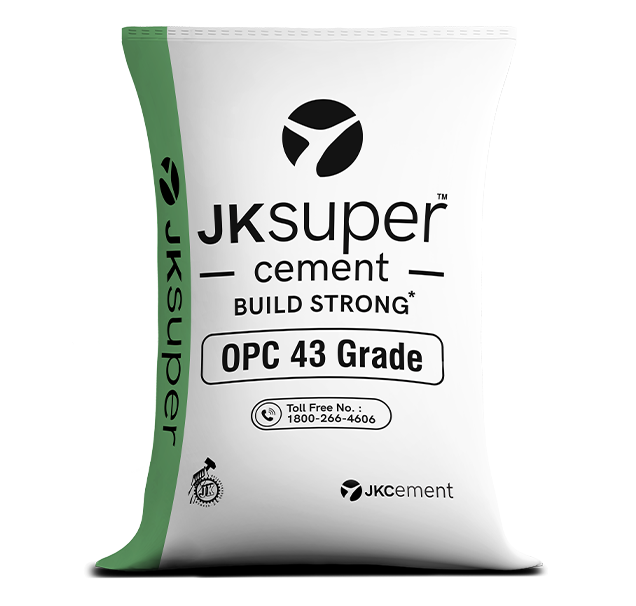
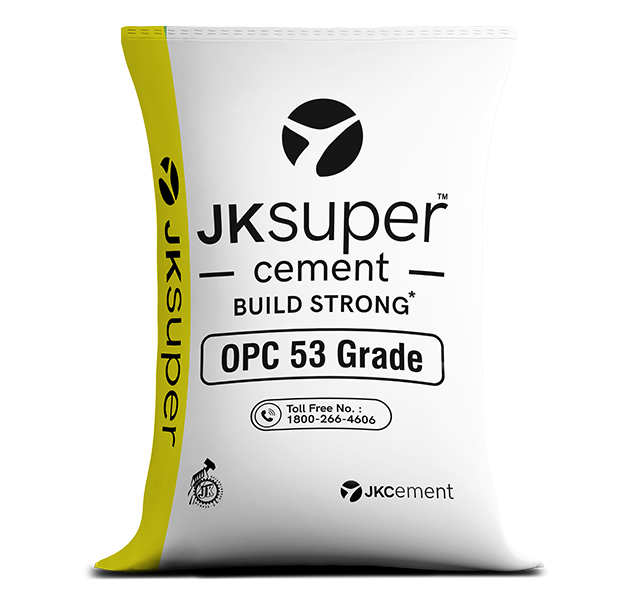
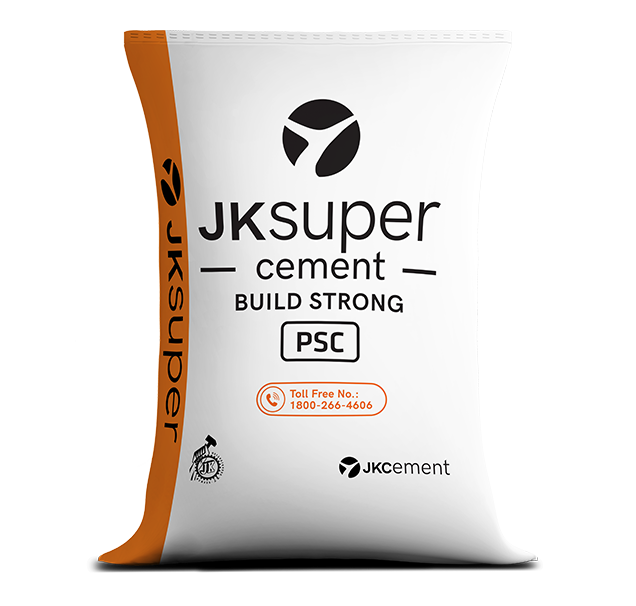
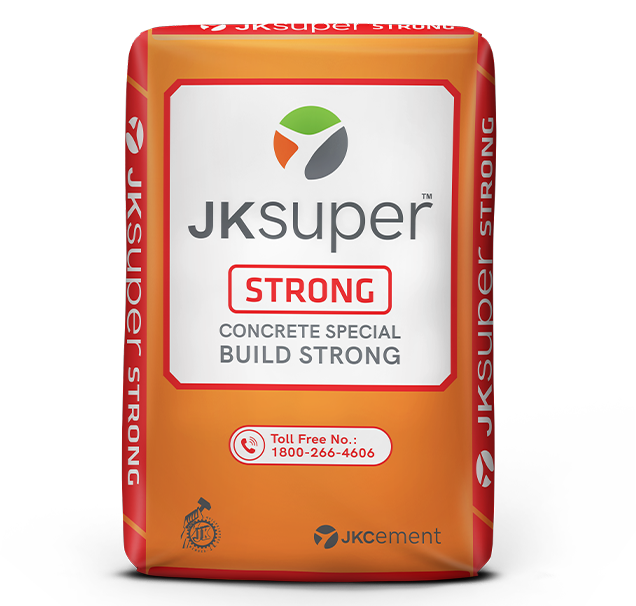
- JK Super Cement: ₹395–₹446
- ACC / Ambuja: Somewhere in that range depending on city and supply chain
Bulk orders? You can shave off a few rupees.
A big project? You might get freebies or better deals.
Buying 4–5 bags for repairs? You’ll likely pay the standard shop rate.
How to Get a Better Cement Rate
A few practical tips:
- Compare prices across shops and apps
- Try buying in larger batches
- Negotiate — dealers do adjust if they want to retain a customer
- Place orders during off-season if your project allows
- Track fuel prices; they often predict cement price swings
A little awareness can save you ₹5–₹10 per bag — which adds up fast for a whole home.
FAQs
1. Why does cement price fluctuate so much?
Because raw materials, fuel, transport, and demand keep changing constantly.
2. Why does the cement bag price change from city to city?
Transport distance and local competition make a huge difference.
3. Is there a fixed cement price in India?
No — cement is hyper-local. Every city has its own rate.
4. Do brands really affect the price?
Yes, brands do affect the price because of their premium quality and brand trust like JK super cement.
5. Can I negotiate cement rate?
Yes. Especially when buying in bulk or during a slow demand period.
6. Does GST matter?
Absolutely. Cement sits in the 18% GST slab
7. What is the latest JK Super cement price?
Typically somewhere between ₹395 and ₹446 per bag, depending on your city and order size.