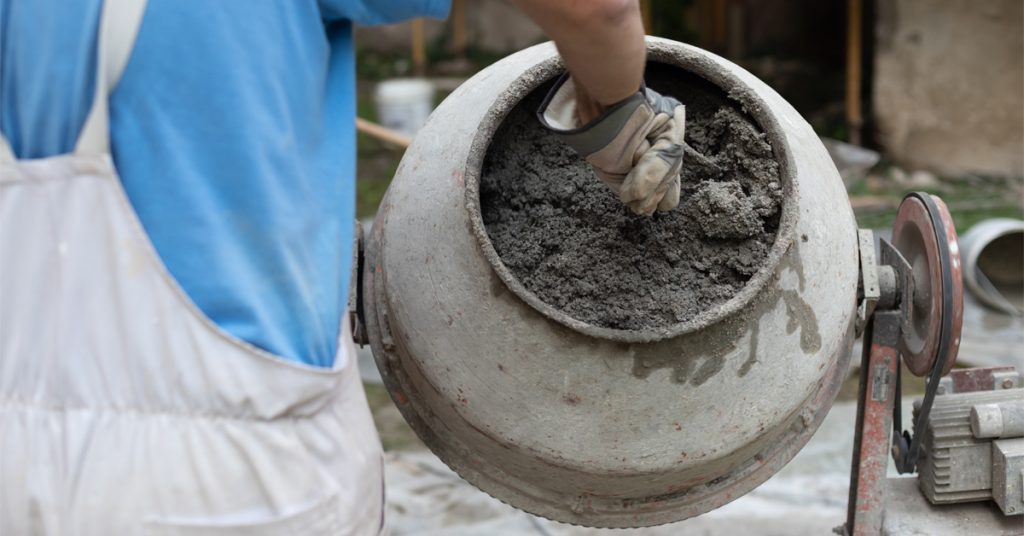
Mixing cement mortar might seem like a simple job —…


Slab Construction Process
The slab is a flat, horizontal structural component used to make floors, roofs and ceilings in a construction project. It comes in an array of forms, each with its own unique attributes, tailored to meet your specific needs.A slab can be either prefabricated or made on-site. It plays a vital role in construction, ensuring proper weight distribution across the foundation, providing a stable base for the structure, and supporting its vertical growth.
What is Slab Construction?
A slab construction is a flat, horizontal surface used in almost every construction project for a multitude of reasons. It acts as the foundational base upon which the entire structure is built. Furthermore, it facilitates the vertical expansion of the structure to the desired level. The roof of one floor acts as the base for the floor above.
The slab is typically made of concrete. This ensures that the slab can support the structure’s weight and withstand the stress it endures. It is reinforced with steel bars to enhance its strength and durability. Its shape remains consistent, but its thickness and dimensions can vary based on project requirements.
Types of Slabs
There are several types of slabs; some common ones are mentioned below:
-
Conventional Slab
It is a concrete slab supported by beams and columns. There are two types: one-way concrete slab and two-way concrete slab. One-way slabs are supported by beams on two sides. While the two-way slabs are supported by beams on all four sides.
-
Flat Slab
This flat slab is directly connected to the columns. Generally, the slabs are thicker at the points where they connect to the columns. Beams do not support these slabs. Given this, they provide the flexibility to create free spaces within a building.
-
Hollow-Core Slab
This concrete slab construction is hollow from the inside. Their hollow design makes them lightweight and easily adaptable for structures, without compromising structural strength. They are commonly used as service ducts in buildings.
-
Waffle Slab
Due to its distinctive waffle-like pattern, the slab is named after it. More specifically, the slab structure forms as its ribs run in two opposite directions, creating a series of voids between them. It has achieved an ideal balance of weight and strength, maximising its capabilities.
-
Bubble-Deck Slab
Typically, slabs are fully concrete-filled, but in a bubble-deck slab, the centre is filled with polyethylene plastic balls. This reduces the slab’s overall weight, making it versatile for a wide range of applications.
What is The Slab Construction Process?
Following is the slab construction process on-site:
- Clear the site of all dirt and debris to ensure a clean, level surface for slab construction.
- Position the formwork at the designated location for slab construction.
- Place the steel reinforcements, such as rebar or welded wire mesh, within the formwork.
- Incorporate steel reinforcement as per the slab’s strength requirements.
- Pour concrete into the formwork.
- Ensure the pour is evenly distributed and built up to the desired thickness.
- Compact the concrete for removing the air voids in the concrete and to avoid honeycombing
- Finish the poured concrete to ensure a smooth, precise surface.
- Leave the concrete to cure for a period under specific conditions.
- On curing, remove the formwork, as the slab is now self-sustaining.
If time or resources for on-site slab construction are limited, premanufactured slabs are a practical alternative. These slabs are fabricated in accordance with standard specifications and are ready for seamless installation on-site.
Key Considerations for Concrete Slab Construction
-
Weather Conditions
All types of construction are subject to harsh weather conditions. This exposure is inevitable, so it is crucial to prepare your structure to withstand it. Appropriate material selection can help your slab and other structural components become capable of withstanding harsh weather.
-
Load-Bearing Capacity
Load-bearing capacity is the maximum weight or load that a slab can support without being damaged or failing. It plays a crucial role in ensuring the slab functions effectively and safely. Evaluate your project’s load-bearing requirements and design a slab to meet them.
-
Thickness and Reinforcement
A slab’s thickness and reinforcement directly affect its strength and durability. Therefore, assess your project’s requirements and preferences to design slabs with the appropriate thickness. Furthermore, based on the requirement, you can reinforce the slabs with steel bars or mesh.
-
Expansion and Contraction
As a slab cures naturally, it is influenced by various external factors. The influence of these external factors on the slab is beyond control, which can lead to expansion and contraction in the concrete. This could be to crack development in the slab, and you need to be mindful of this.
-
Compliance with Standards
Given the substantial investment and safety concerns, structures are regulated by rules and regulations set forth by government authorities. Ensure your slab construction complies with regulations to maintain integrity and compliance.
Why Choose JK Cement For Slab Construction?
Top three reasons to choose JK Cement for slab construction:
-
High-Quality Cement
Slabs are created from concrete, which is primarily made of cement. Therefore, the quality of cement affects the concrete mix, which directly influences the slab’s strength and durability. High-quality cement enhances the adhesive properties of the concrete mix, strengthening the slab and ensuring a more reliable structure. So, choose JK Cement for superior results.
-
Professional Guidance and Assistance
In addition to the quality of the building materials, the construction technique also plays a crucial role in the project’s success. Hence, you should get the best professionals on board. JK Cement offers practical home-building tools, such as a “Find a Construction Professional” and “On-site assistance”, enabling you to build a strong team for greater project success.
-
Cost-Effective Solutions with Exceptional Value
While working within a budget for your construction project, you still aim for the best building materials and resources. This is where JK Cement bridges the gap between high-quality products and competitive pricing. All JK Cement offerings are fairly priced and deliver exceptional value for money. This ensures you get the most value from your budget and resources.
Essential Slab Test And Checks

Silt Test (Sand)

pH Test (Water)

Concrete Temperature Test

Site Technical Assitance & Consultation

Sieve Test - Basic (Sand)

Instant Mix Design On Site

Basic Reinforcement Check (RCC Structure)

Strength Check by Rebound Hammer (NDT)

Shuttering and Scaffolding Check

Slump Cone Test (Workability of Concrete)

Onsite Supervision during Concrete Application

Curing Techniques Advice
Related Tools



Find A Construction Professional
Find a professional nearby to help you with construction planning

On-Site Assistance
Access a wide-range of construction services to help you get your project on track

Related Blogs

GET EXPERT GUIDANCE FROM FOUNDATION TO FINISH
FILL THE FORM FOR A FREE CONSULTATION
Unlock Build Xpert’s
Onsite Assistance
Silt Test
pH Test

Brick Test
Slump Cone
Test
Frequently Asked Questions
The ideal concrete mix ratio varies based on the desired strength of the slab.
The minimum thickness required for a concrete slab is typically 4 inches (100 mm), depending on the load and use.
JK Cement ensures slab durability with high-quality cement, the appropriate grade of cement, and the right construction techniques.