
Most people don’t wake up thinking about architecture terms. But…


Post Slab Tips & Techniques
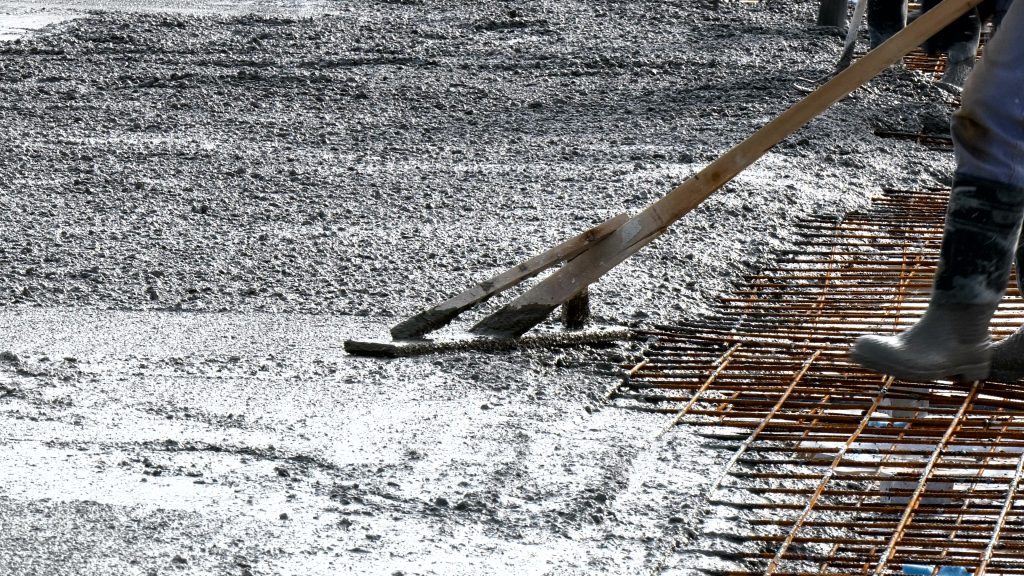
Once the concrete slab is poured, the post-slab stage begins—a critical phase that ensures structural strength, durability, and readiness for the next construction steps. Proper curing, reinforcement, and quality checks during this stage play a vital role in preventing future structural issues. This guide explores post-slab construction techniques, challenges, and essential quality tests.
What is Post-Slab?
The post-slab phase refers to all activities that take place after the slab is poured. This includes curing, formwork removal, structural reinforcement, and preparing the slab for further construction. Ensuring proper curing and conducting quality tests help enhance the slab’s strength and longevity while preventing cracks and settlement issues.
Construction Techniques for the Post-Slab Stage
Once the slab is poured, several key construction techniques are implemented to ensure the structure’s stability and readiness for further work. These techniques focus on curing, strengthening and preparing the slab for subsequent construction phases.
1. Curing the Slab
Curing is a critical process that ensures the concrete gains the required strength and durability. Moisture retention is maintained for 7 to 28 days through various curing methods, such as:
-
Ponding or Water Curing:
Keeping the slab surface continuously wet by creating small water ponds.
-
Membrane Curing:
Applying curing compounds or plastic sheets to prevent moisture loss.
-
Steam Curing:
Used in cold weather or precast structures to accelerate hydration.
2. Formwork Removal
Once the slab reaches the desired strength, the formwork (shuttering) is carefully removed to avoid damaging the concrete. The timing of formwork removal depends on factors like slab thickness, curing conditions and concrete mix strength.
3. Utility Installation in wall
Before walls and flooring are finalised, key utility installations are completed, including:
-
Plumbing Work
Laying pipes for water supply, drainage and waste disposal.
-
Electrical Wiring
Embedding conduits and junction boxes for safe electrical connections.
-
Waterproofing:
Applying coatings or membranes to prevent moisture seepage, especially in bathrooms, kitchens and basements.
4. Surface Preparation
Once reinforcement and utility installations are complete, the slab surface is prepared for finishing:
-
Levelling and Grinding
Ensuring a smooth, even surface for flooring.
-
Flooring Installation
Tiling, marble, or wooden flooring is laid based on project requirements.
-
Crack and Void Inspection
Any surface imperfections are identified and filled to enhance durability.
What are the Challenges of Post-Slab Construction?
Despite careful planning, post-slab construction comes with challenges such as:
-
Cracking and Shrinkage
Improper curing or excessive load can lead to cracks.
-
Weak Concrete Strength
Poor material quality or incorrect mix ratios can affect durability.
-
Settlement Issues
If the subgrade is not well compacted, the structure may experience uneven settling.
-
Moisture Retention
Inadequate waterproofing can lead to seepage issues.
Essential Checks and Tests for post slab casting

Strength Check by Rebound Hammer (NDT)

Brick Test (All Field Test)
Related Tools



Find A Construction Professional
Find a professional nearby to help you with construction planning

On-Site Assistance
Access a wide-range of construction services to help you get your project on track

Related Blogs
GET EXPERT GUIDANCE FROM FOUNDATION TO FINISH
FILL THE FORM FOR A FREE CONSULTATION
Unlock Build Xpert’s
Onsite Assistance

Silt Test

pH Test
Brick Test

Slump Cone
Test
Frequently Asked Questions
Post-curing of the slab is crucial to ensure it gains the strength and durability needed to withstand the heavy loads it will be exposed to