Step-by-Step Guide to Building a House in India

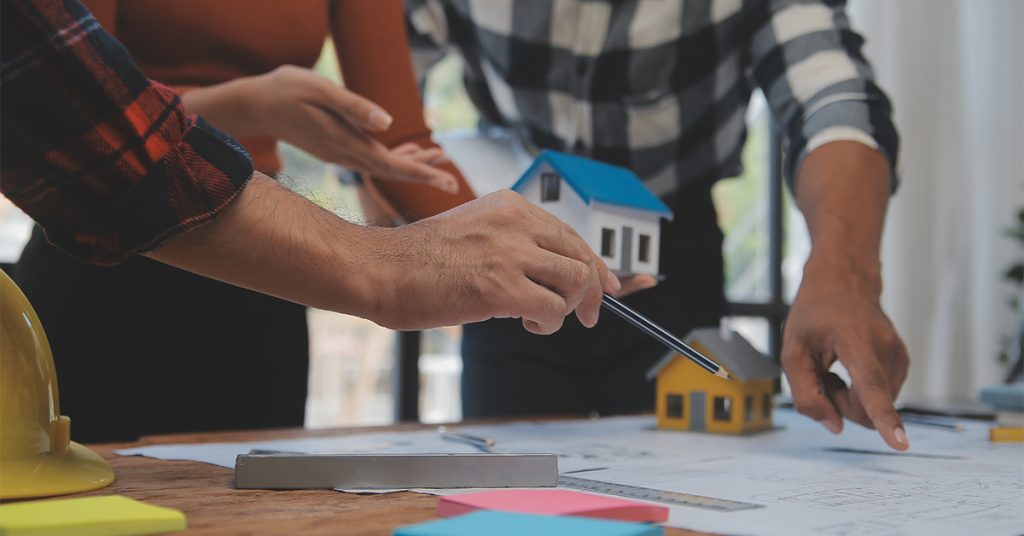
For most people in India, building a home is more than a construction project. It’s a life goal. Whether it’s a modest two-bedroom apartment in a small town or a house on ancestral land, every home speaks of a dream, savings, and countless years of decisions.
If you’ve been planning to build a home, one question that arises is “Where do I start?”. From young professionals to returning NRIs to retired government officers, the journey often begins with that very question.
Here’s a breakdown of a practical, step-by-step guide to building a house in India.
Step 1: Start with the Land
Prior to planning the layout, the first step is to ensure all your necessary documents are ready and clear. The following documents must be in place :
- Title deed and ownership proof
- Land use classification (residential vs agricultural)
- Approved layout and road access
- Mutation and property tax status
Visit your local municipal office or panchayat to clarify the zoning rules, road approvals, and the Floor Area Ratio (FAR) allowed.
Step 2: Plan for the Future, Not Just the Floor
Everyone wants a nice floor plan. But a good design is more than just room sizes.
Ask yourself:
- Who will live here now and in 10 years?
- Is this home for living, renting, or both?
- What’s your actual budget — not just the home loan sanction?
Talk to a licensed architect or structural engineer early. They’ll help with airflow, natural light, drainage, and staircase placement — decisions that matter far more in the long run than paint colours or ceiling fans.
Step 3: Get the Approvals In Place
Paperwork can seem tedious, but legal clearance is essential before you start any form of construction. Skipping this can cause undue delays later- during selling, insuring or registering the property.
You’ll usually need:
- Title deed and ownership records
- Land tax receipt
- Sanctioned site plan
- Structural drawings, if required
- Approval from the municipal authority or local planning body
Step 4: Laying the Foundation
Once all documents and permissions are in place, its time for the construction to begin on the ground. This involves-
- Site clearing and excavation
- Soil testing to assess load-bearing strength
- Foundation type selection (pile, raft, or isolated footing based on soil)
In areas with weak soil, coastal zones and flood-prone land, it is important to build the right type of foundation to ensure durability of your home. Consult your engineer or contractor for the correct cement type to be used. JK Super Cement has a range of cement suited for all types of construction and weather conditions.
Step 5: Building the Structure
This is a crucial stage as this is where your house takes shape and where patience and time must be given. The construction in this step involves-
- Installing RCC framework for columns, beams, and slabs
- Laying the brickwork or AAC blocks for walls (lighter and energy-efficient)
- Slab casting, with proper curing time (at least 7–10 days)
Step 6: Electrical, Plumbing, and Waterproofing
Before the final finishing touches are given, ensure that all electrical wiring and plumbing components are planned and installed, as this is what will affect your comfort and the functionality of your home. Waterproofing is another part that most people overlook till water seepage takes place later on. Things you should plan at this stage are-
- Switchboard locations
- Water tank and sump positioning
- Drainage slopes
- Pipe routing for future-proofing
- Rainwater harvesting systems
Step 7: Doors, Windows, and Finishing Touches
This is the exciting bit, but must be planned carefully as every placement matters.
- Windows: Larger windows improve ventilation and light, but plan the direction in a way that your home is well-lit but not over-heated, especially in hot regions.
- Flooring: You can choose between many options- Vitrified tiles, ceramic, or traditional options like Kota stone. Choose what fits your budget and lifestyle.
- Plastering: Good quality external and internal plastering ensures wall durability.
- Paintwork and cabinetry typically begin now, along with grills and balcony rails.
Step 8: Final Fixtures, Checks, and Handover
At this stage, you’re almost done.
Here’s what to look out for:
- Install and test fans, geysers, lights, and switches
- Run every tap and flush, and check drainage slopes
- Do pest control and termite treatment if needed
- Remove debris and do a full-site cleanup
- Walk through the house with your engineer or contractor — make a list of pending work before final payments
Things to Keep in Mind
- Costs usually go 10–15% above budget. Keep a buffer.
- Neighbours will offer advice. Some helpful, some not — smile and filter.
- Your mason matters. Pay attention to the ground team — they’re the ones actually building your home.
- Small errors will happen. Don’t stress. Most can be fixed or lived with.
FAQs –
1. How long does it take to build a house in India?
On paper, a simple home can take 6 to 9 months. But with monsoon delays, Diwali shutdowns, or just late sand delivery, it often stretches to 12 months or more. Always keep some buffer.
2. What’s the first thing I should do before starting house construction?
Before you even think about cement bags or bricks, get your land documents and approvals in place. A good house construction guide will always start with legal clearance and a soil report – that’s your foundation, literally and figuratively.
3. Is it cheaper to build than buy a ready-made house?
It depends on the location, the area of construction and the features you include. If you’re building on your own land, it could be economical, giving you the freedom to build it your way. But with smart planning and local sourcing, you can save a good 15–20% over a builder’s flat, and you’ll likely get better quality too.
4. What kind of cement should I use? Does it matter?
Yes, the kind of cement used makes all the difference. Using the right grade for the right job will ensure the strength, safety and longevity of your home.
For high-rises and heavy construction, JK Super PPC or PSC are ideal, while for simple residential construction, OPC grade 43 and 53 are great options.
5. Can I manage construction myself, or do I need a contractor?
Construction of your home requires precision, time and knowledge. It is advisable to have a contractor or an engineer on the site to supervise. Even then, you must visit the site often to check.
On paper, a simple home can take 6 to 9 months. But with monsoon delays, Diwali shutdowns, or just late sand delivery, it often stretches to 12 months or more. Always keep some buffer.
Before you even think about cement bags or bricks, get your land documents and approvals in place. A good house construction guide will always start with legal clearance and a soil report – that’s your foundation, literally and figuratively.
It depends on the location, the area of construction and the features you include. If you’re building on your own land, it could be economical, giving you the freedom to build it your way. But with smart planning and local sourcing, you can save a good 15–20% over a builder’s flat, and you’ll likely get better quality too.
Yes, the kind of cement used makes all the difference. Using the right grade for the right job will ensure the strength, safety and longevity of your home.
For high-rises and heavy construction, JK Super PPC or PSC are ideal, while for simple residential construction, OPC grade 43 and 53 are great options.
Construction of your home requires precision, time and knowledge. It is advisable to have a contractor or an engineer on the site to supervise. Even then, you must visit the site often to check.