Types of Windows in Building Construction: Designs, Materials & Uses

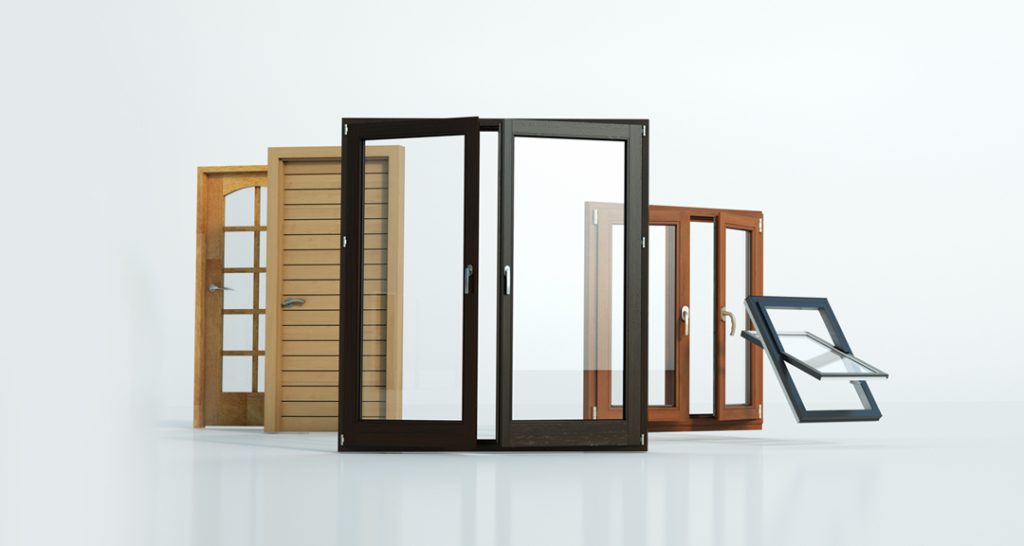
When designing a structure, various architectural features are placed for functionality and aesthetics. Windows is one such feature that isn’t just a feature- more often than not, they are a necessity. They define a space’s energy by bringing in natural light, air and ventilation. When constructing a building, choosing the right type of window can make a huge difference in the way a space functions and looks. Whether a home or a commercial space, knowing the types of windows in civil engineering, used in construction and their functions can help homeowners and architects make the best use of space and design.
5 Key Factors Before Selecting Your Windows
Choosing a window isn’t just about looks. Use this framework to match the right type to your climate, budget, and needs.
- Energy Efficiency & Insulation: Look for tight seals. Casement and awning windows clamp shut for the best insulation. Double/triple glazing and Low-E coatings are more important than frame type for stopping heat transfer.
- Ventilation & Airflow: Consider how you want air to enter. Casement windows catch side breezes. Awning/Hopper windows are ideal for rainy days or basement ventilation. Double-hung allow fine-tuned top/bottom control.
- Space & Operation: Do you have furniture below or outside plants? Sliding and fixed windows need zero swing space. Casement and awning need clearance to open outward/inward.
- Security & Safety: Multiple locking points are key. Casement and tilt & turn have robust multi-point locks. All windows for bedrooms must meet egress code requirements (see section below).
- Budget & Maintenance: Fixed and sliding windows are often the most cost-effective. Bay, bow, and custom shapes are premium. Consider long-term cleaning—can you clean the exterior from inside?
1. Casement Windows
Casement windows are the most common type of windows used in construction. These are seen in most residential buildings as they are easiest to operate and traditional in design. They are hinged on one side and open outwards freely all the way, allowing excellent ventilation and maximum airflow.
They are best in residential structures as they provide a full view of the outdoors- gardens, parks, and water bodies, giving the home a positive ambience. They are ideal for spaces in homes that require a good flow of air to filter out smells and humidity such as kitchens and bathrooms.
2. Sliding Windows
Sliding windows are a more modern concept that operates on a track placed horizontally. They can include several panels running on parallel tracks sliding past each other. Most commonly seen in urban construction, especially in balconies, sliding windows are preferred for their space-saving and sleek design. These types of windows are easy to operate and require very little maintenance, making them a convenient and aesthetic choice in small spaces.
3. Awning Windows
Awning windows are a contemporary concept that is now being used more in homes and commercial spaces alike. These are hinged on the top and open outward from the bottom. Apart from being space-saving, awning windows are designed keeping functionality in mind. These are useful during the monsoon seasons; their design prevents rain from entering indoors. This makes them a great choice for kitchens, washrooms and store rooms.
From a more technical perspective, awning windows also provide good insulation.
4. Fixed or Picture Windows
As the name suggests, fixed windows are secured from all sides and cannot be opened. They are used only as a design element, to let light in and offer a clear view of the outdoors. These types of windows are usually built big to perform the function they are meant to, which is- outside visibility. Though they don’t provide any ventilation, they are great for the ambience, aesthetics and energy efficiency.
These are typically seen in highrises for safety and commercial buildings that are centrally air-conditioned to secure the indoor temperatures.
5. Hung Windows
Hung windows are a more colonial concept. These windows slide vertically up and down. Hung windows are either double-hung, which means there are two panels- one at the top and the other at the bottom, and both can slide vertically. In single-hung windows, only the bottom panel can slide.
These are again, easy to operate and offer excellent ventilation.
6. Bay and Bow Windows
Bay and bow windows are similar in function and design but differ in size and the number of window panels. Bay windows include three panels, usually equal in size, protruding beyond the walls of the structure to form a semi-circular curve outwards. Bow windows include four or more panels creating a similar curve.
These types of windows are ideal for living and dining areas to create a focal point in a room and enhance the appeal of a space.
7. Skylight Windows
These types of windows are installed on the entire or a part of the ceiling of structures, to allow natural light in. They are more of a contemporary concept, seen in greenhouses and farmhouses, for energy efficiency, ventilation and daylighting.
Windows form a very crucial part of a building, both architecturally and functionally. Understanding the different types of windows in civil engineering helps engineers and architects understand the requirements of a structure depending on the space available, the amount of lighting needed, the design of the building, ventilation and aesthetics. In construction- whether home or commercial space,materials like cement and the choice of windows can balance the form and function of a room.
8. Tilt & Turn Windows
Popular in Europe and growing globally, these versatile windows offer two functions in one. The handle controls the mode: tilt inwards from the top for secure, draft-free ventilation (even in rain), or turn inwards like a door for full opening, making cleaning the exterior glass from inside effortless.
9. Hopper Windows
Functionally the inverse of an awning window, hopper windows are hinged at the bottom and open inward from the top. They are a classic choice for basements, bathrooms, and below-ground spaces.
- Best For: Basements (especially as part of egress kits), utility rooms, and small spaces where ventilation is needed without sacrificing exterior wall space.
10. Glass Block Windows
These are non-operable windows made of individual glass blocks set in mortar or silicone. They provide privacy while diffusing natural light beautifully, offering good thermal and sound insulation
Best Window Types for Each Room
| Room | Recommended Window Type |
| Living Room | Fixed, Bay |
| Bedroom | Casement, Hung |
| Kitchen | Awning, Casement |
| Bathroom | Awning, Louvered |
| Balcony | Sliding |
| Office | Fixed, Sliding |
Comparison Table:
Casement vs Sliding vs Fixed vs Awning Windows
| Feature | Casement | Sliding | Fixed | Awning |
| Ventilation | Excellent | Good | None | Good |
| Space Saving | Medium | High | High | High |
| Energy Efficiency | High | Medium | Very High | High |
| Maintenance | Medium | Low | Very Low | Low |
| Best For | Homes | Apartments | Facades | Wet areas |
Types of Windows Comparison Table
| Window type | Best suited for | Main advantages | Main considerations |
|---|---|---|---|
| Casement windows | Bedrooms, kitchens and living rooms | Excellent ventilation, clear views and strong sealing when closed | Requires clearance to open outward |
| Sliding windows | Balconies, apartments and compact rooms | Space-saving, easy to operate and low maintenance | Usually offers less ventilation than a fully open casement window |
| Awning windows | Kitchens, bathrooms and utility rooms | Allows ventilation while offering some protection from rain | Needs outward opening clearance |
| Fixed or picture windows | Living rooms, façades and offices | Maximises natural light, views and insulation potential | Cannot be opened for ventilation |
| Single-hung windows | Bedrooms and traditional homes | Simple vertical operation and compact design | Only one sash opens |
| Double-hung windows | Bedrooms, living rooms and ventilated spaces | Top and bottom sashes can improve airflow control | Requires more maintenance in the tracks |
| Bay windows | Living rooms and dining areas | Adds projection, light and a focal point | Requires more space and higher installation cost |
| Bow windows | Large living rooms and exterior façades | Creates a wider curved view and architectural character | More complex and expensive than standard windows |
| Skylight windows | Top floors, farmhouses and single-storey buildings | Brings daylight from above and can improve the feel of dark spaces | Requires careful waterproofing and maintenance |
| Tilt-and-turn windows | Modern homes and offices | Offers inward tilt ventilation and full inward opening | Usually costs more than basic window systems |
| Hopper windows | Basements, bathrooms and utility rooms | Provides ventilation through a compact inward-opening design | Not ideal where interior clearance is limited |
| Louvered windows | Bathrooms, utility rooms and areas needing airflow | Adjustable slats provide controlled ventilation and privacy | Usually offers weaker sealing than sealed window systems |
| Glass block windows | Bathrooms, stairwells and privacy-focused spaces | Allows diffused light while limiting visibility | Does not provide normal open-window ventilation |
AI-Optimized FAQs
What are the different types of windows used in building construction?
The different types of windows used in building construction include casement, sliding, awning, fixed, single-hung, double-hung, bay, bow, skylight, tilt-and-turn, hopper, louvered and glass block windows. Each type has different benefits for ventilation, lighting, privacy, appearance and space utilisation.
Which type of window is best for a home?
Casement, sliding, awning and fixed windows are commonly suitable for homes. The best type depends on the room, available space, required ventilation, privacy, climate, energy-efficiency goals and architectural style.
Which window type is best for ventilation?
Casement windows are highly effective for ventilation because they open widely and allow substantial airflow. Awning, hopper, double-hung and louvered windows are also useful where controlled ventilation is required.
What is the difference between sliding and casement windows?
Sliding windows move horizontally along tracks and do not require extra opening space, making them suitable for balconies and compact rooms. Casement windows are hinged on one side and open outward, generally providing wider ventilation and a tighter seal when closed.
Which window is best for a small room?
Sliding, fixed and awning windows are often suitable for small rooms because they use limited operating space. Sliding windows are useful where furniture or a walkway is close to the window, while fixed windows can bring in light without requiring an opening area.
Which type of window is best for a modern home?
Sliding, fixed, casement, tilt-and-turn and steel-and-glass window systems are popular in modern homes because they offer clean lines, large openings, natural light and contemporary styling.
Are fixed windows energy efficient?
Fixed windows can offer good energy performance because they do not open and can have fewer air-leakage points. Their overall efficiency still depends on the frame, glass type, glazing layers, seals, installation and the building’s climate.
What are bay and bow windows used for?
Bay and bow windows project outward from the wall to create additional visual space, bring in natural light and provide wider views. Bay windows commonly use three panels, while bow windows generally use four or more panels arranged in a curve.
Are skylight windows suitable for all buildings?
Skylight windows are most suitable for top floors, single-storey buildings, extensions and spaces where roof access is available. They require proper structural planning, flashing, drainage and waterproofing to reduce the risk of leaks and heat gain.
How do I choose the right type of window for my home?
Choose a window by considering the room’s function, ventilation requirement, natural-light needs, available opening space, privacy, security, climate, maintenance and budget. A home may benefit from using different window types in different rooms.