Small Room Interior Hacks That Really Work

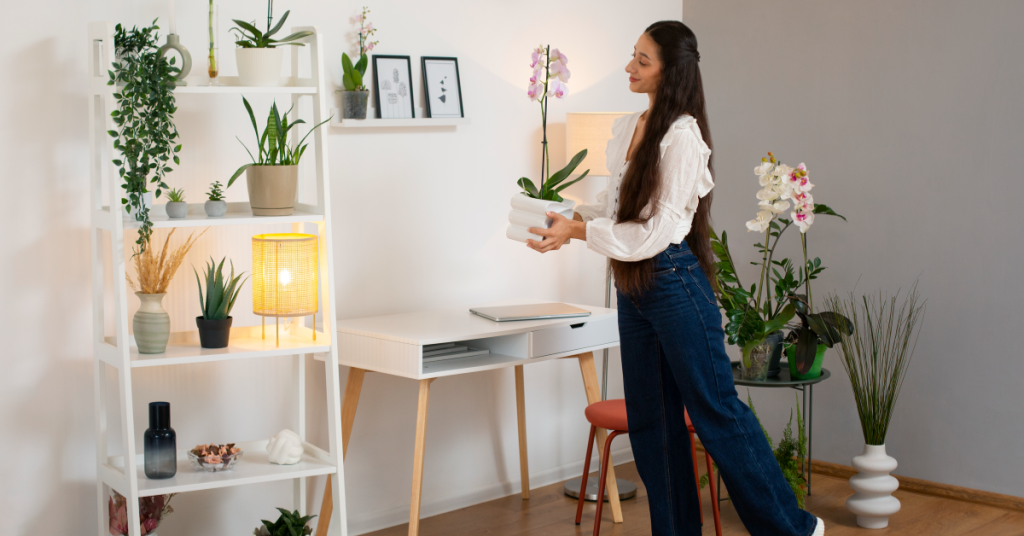
Living in a compact home has its quirks — some tricky, some charming. A small room can feel like it’s closing in on you if you don’t plan it right. But with a few thoughtful touches, it can also feel warm, airy, and surprisingly generous.
I’ve walked through matchbox apartments in Mumbai where you can touch opposite walls just by stretching your arms. I’ve also seen century-old homes in Jaipur where the rooms are tiny but never feel suffocating. That’s when it hit me: size itself isn’t the problem. The magic is in how you use the space. And no, you don’t need to break walls or burn through your savings. Sometimes a new coat of paint or moving a lamp is all it takes to change the mood.
The Colour Game: Stretching Space with Paint
Here’s something that never fails — colour can play tricks on the eye. Light tones like ivory, misty blue, pastel green, or even a plain soft beige make the walls visually push back. Suddenly, the room breathes.
One hack I picked up on a project in Gurugram: paint the ceiling just a shade lighter than the walls. It’s like giving the room a higher roof without touching the structure.
And don’t ignore the finish. A smooth, even wall reflects light so much better than a patchy one. Honestly, a good wall putty like JK WallMaxX does half the heavy lifting before you even think about colour.
Lighting: Forget the Tube, Layer It Up
If you’re still relying on that single harsh tube light stuck in the middle of the ceiling… time to retire it.
Small rooms look best when light comes from different directions.
Think of it as layers:
- A soft glow from overhead (ambient).
- Focused lamps or pendants for reading or working (task).
- And finally, something to create drama — maybe an LED strip under a shelf, or a wall sconce that highlights your favourite artwork (accent).
Warm white works best. Cool white, in a small space, can make the walls feel like hospital corridors.
Mirrors: Old Trick, Still Gold
It’s a cliché for a reason. Mirrors double your visual space, and they bounce around whatever natural light you have.
A big one opposite a window? Perfect.
In a narrow passage, go vertical to “stretch” the space.
And in living rooms, mirrored panels behind the sofa add depth — without shouting for attention.
Furniture: Less of It, But Smarter
Here’s the truth: bulky, single-use furniture is the enemy of small rooms. A bed with drawers underneath is worth three plain ones. Nesting coffee tables slide away when you don’t need them. A folding desk mounted on the wall can vanish after work hours.
And here’s my golden rule: keep some floor visible. Furniture with slim legs makes the room feel lighter than blocky, low-sitting pieces. Even five inches of visible floor can change the perception of space.
Storage: Hide It, Don’t Flaunt It
Good storage is like good editing in films — you don’t notice it, but it makes everything else shine.
Stack up vertically, right to the ceiling if you can.
Sneak in shelves above doorways.
Use hooks behind doors.
Pull-out racks in kitchens save you from cluttered counters.
And in bathrooms, mirrored cabinets are a lifesaver — they hide the mess and add depth.
The less “stuff” you see, the larger your room will feel. Simple as that.
Room-Specific Quick Wins
Now, not all hacks are universal. Here’s what works room by room (based on too many site visits and homeowner experiments):
- Living Room → A rug that actually tucks under furniture (not a tiny one floating in the middle). Curtains that blend with wall colour. Wall-mount the TV.
- Bedroom → Skip those chunky headboards. Try a painted wall design or fabric panel. Wall sconces free up space on your tiny bedside tables. And in awkward square rooms, place the bed diagonally — it opens up flow.
- Kitchen → Lighter cabinets look bigger. Glass shutters on a few uppers create depth. Rods on walls for utensils free up counters.
- Bathroom → Fewer tile breaks with large-format tiles. A clear glass partition (not frosted) instantly makes it feel roomier. Floating vanities let more floor show, and that floor space visually counts.
Mistakes I See All the Time
- Stuffing the room with décor. Pick a few bold pieces instead of scattering dozens of knick-knacks.
- Heavy velvet curtains in small spaces — they eat light. Go airy, go light.
- Ignoring height. Vertical shelves or pendant lights pull the eye up.
- Going too dark everywhere. Dark-on-dark looks dramatic in magazines, but unless your room gets tons of sunlight, it’ll feel like a shoebox.
Start with the Canvas
Here’s the part nobody likes to hear: none of these hacks will matter if your walls are cracked, damp, or uneven. People will notice the flaws first, not your clever storage.
That’s why starting with a strong base is non-negotiable. A reliable cement like JK Super Strong for the structure and a high-quality putty like JK WallMaxX for the finish give you that smooth, durable backdrop. Once the canvas is right, every design trick you layer on top shines brighter.
Final Word
Small rooms aren’t about compromise. They’re about clarity. The less you cram in, the more they give back. And honestly, some of the most inviting homes I’ve walked into were no bigger than a one-bedroom flat — but every inch was intentional.
So, before you complain about square footage, look around. Chances are, your room doesn’t need to be bigger. It just needs to be smarter.
FAQs: Small Room Design & Space Hacks
1. How do I make a small room look more spacious without renovations?
Stick to light paint shades, use mirrors, add layered lighting, and choose furniture with legs instead of bulky block bases. These tricks create an airy feel without breaking walls.
2. Which colours work best in small rooms?
Ivory, beige, pastel greens, misty blues, and warm off-whites are great choices. They bounce natural light and visually expand the space.
3. Are mirrors really useful for small spaces?
Yes — they double the perceived depth of a room and reflect natural light. A large mirror opposite a window is the most effective trick.
4. What furniture should I buy for a compact home?
Look for multi-purpose furniture like storage beds, nesting tables, wall-mounted folding desks, or sofas with hidden storage.
5. Can dark colours ever work in a small room?
They can, but only as accents. A deep green wall behind the bed or a navy armchair can add character, as long as the rest of the room stays light.
6. How can I create storage in a tiny bedroom?
Use under-bed drawers, tall wardrobes that reach the ceiling, wall-mounted shelves, and hooks behind doors. Keep surfaces clear so the room feels open.
7. What lighting setup is best for small interiors?
Layered lighting — soft ceiling lights, table or pendant lamps for tasks, and accent lights like LED strips under shelves. Avoid harsh single tube lights.
8. What flooring is good for small rooms?
Light-toned flooring (wood, matte tiles, or even cement) reflects light better. Large-format tiles reduce visual breaks, making the room feel larger.
9. Do ceiling colours really change room perception?
Yes. A lighter ceiling shade than the walls makes the room feel taller. Pendant lights or vertical stripes also draw the eye upward.
10. How important is wall finish in small room design?
Very important. Smooth, even walls reflect light and feel premium. A good base with JK WallMaxX wall putty or JK Super Strong cement ensures design hacks shine through.