Kitchen Layout Ideas for Indian Homes That Actually Work

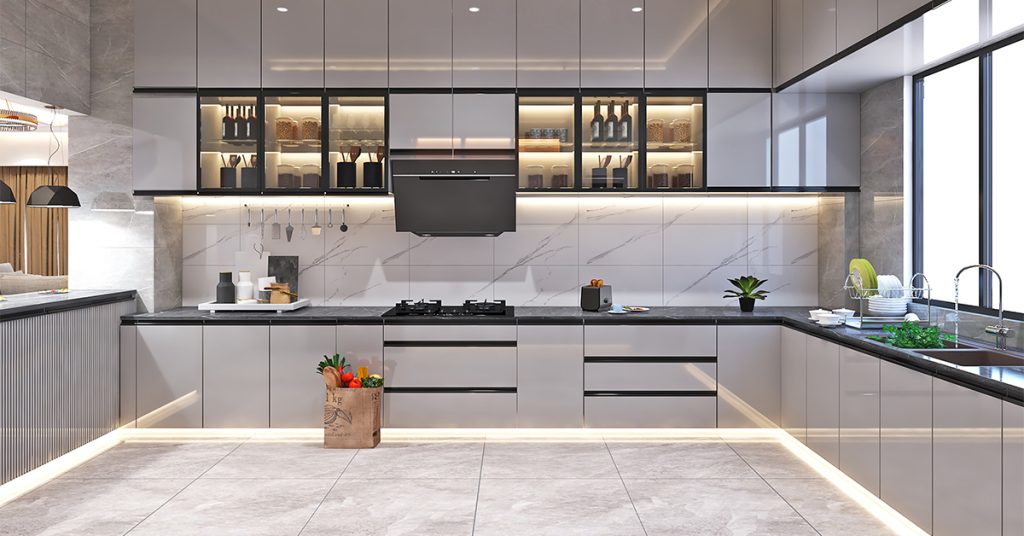
Designing a kitchen in an Indian home isn’t just about good looks—it’s about practicality, family habits, and, let’s be real, how fast you can get that tadka done during the morning rush.
Whether you’re building your dream home or redoing an old kitchen that’s been through one too many masala stains, here’s a no-fluff guide to kitchen layout ideas for Indian homes that work in the real world.
Start With the Basics: What’s Your Cooking Style?
Before we get into the actual kitchen layout design ideas, take a pause and think—how do you use your kitchen?
Ask yourself these questions-
- Do you cook all meals at home (with help or solo)?
- Do you have a house help doing most of the heavy lifting?
- Do you host big family gatherings often?
Your answers will impact your layout more than Pinterest ever will. Indian homes aren’t one-size-fits-all, and your kitchen shouldn’t be either.
The Most Popular Kitchen Layout Ideas for Indian Homes
Let’s explore layouts that not only fit Indian cooking but also make your life easier.
1. L-Shaped Kitchen: The Classic Indian Favourite
You’ll find the L-shaped layout in most middle-class and upper-middle-class Indian homes—and for good reason.
Why it works:
- Great use of corner space.
- Easy triangle movement between the stove, sink, and fridge.
- Perfect for small to medium-sized homes.
Keep in mind: If you have space, add a small breakfast counter or a movable island. It makes the kitchen feel open without a full renovation.
2. U-Shaped Kitchen: For Big Families & Heavy Cooking
If your kitchen is the heart of the home and you’re constantly cooking for 5+ people, this is gold.
Why it works:
- Tons of counter space.
- You get distinct zones for prep, cooking, and cleaning.
- More lower and upper cabinet storage.
Keep in mind: It can feel cramped if your kitchen is small. Keep at least 4 feet of walking space in the middle.
3. Parallel or Galley Kitchen: Compact and Efficient
Got a narrow kitchen space? This layout—two counters facing each other—is ideal for flats and older homes with smaller rooms.
Why it works:
- Efficient use of space.
- Keeps cooking and cleaning zones separate.
- You can designate one counter for dry work (chopping, prepping) and one for wet (washing, cooking).
Keep in mind: Avoid cluttering the walkway. Even a microwave tray sticking out can make moving around annoying.
4. Island Kitchen: Modern, Stylish, and Social
This is the Instagram dream—open layout, central island, hanging lights, the whole vibe. But does it work in Indian homes? It can.
Why it works:
- Great for open kitchens and modular designs.
- Encourages family interaction—kids can do homework while you cook.
- Offers extra storage and prep space.
Keep in mind: You need a decent-sized kitchen. Also, keep the chimney powerful—Indian tadka can fill an open layout in seconds.
5. Straight Kitchen: For Studios & Super-Tight Spaces
Just one type of wall with everything on it—cabinets, hob, chimney, and sink. It’s minimal and makes sense if you’ve got a 1BHK or a rental apartment.
Why it works:
- Simple, functional, easy to maintain.
- Ideal for one-person usage or minimal cooking.
Keep in mind: Add overhead cabinets to make the most of vertical space.
Must-Have Elements in Every Indian Kitchen Layout
No matter which layout you go for, certain things are non-negotiable in Indian homes.
- Ventilation is key. A window + chimney combo is the bare minimum. No one wants lingering smells of mustard seeds and hing for three days.
- A separate utility or wet area—even if it’s just a small corner for washing and drying.
- Pull-out spice drawers and tall pantry units—you’ll thank yourself later.
- Durable countertops like granite or quartz. Anything fancy that can’t handle turmeric stains? Hard pass.
- Electrical points in the right places. Mixie, OTG, microwave, air fryer…you get it.
Design Tips That Keep It Real
- Don’t chase trends blindly. Matte black cabinets or open shelves might look cool but aren’t always practical for Indian cooking.
- Use materials that are easy to clean. Laminates > Acrylics if you’re budget-conscious and want durability.
- Plan for helpers. If you have a maid or cook, make sure the layout isn’t overly complicated or high-maintenance.
We all want a kitchen that looks modern and stylish, but if it doesn’t support your daily cooking needs, it’ll become a headache. The best kitchen layout design ideas are the ones that blend functionality with your lifestyle.
So don’t just copy a layout from a magazine. Think about how you move in the kitchen, who else uses it, how much storage you need, and how much cleaning you’re willing to do. Then pick or tweak the layout that works best.
And remember- a good kitchen doesn’t just feed the body, it feeds the home.
FAQs
1. What’s the best kitchen layout for Indian cooking?
No single answer — but generally, a parallel or L-shaped layout works best. Indian kitchens need space for chopping, tadka, storing masalas, and often two people working together. So, you want enough counter length, not just a fancy island.
2. What’s this “work triangle” everyone talks about?
It’s a simple idea: your sink, stove, and fridge should form a triangle. That way, you’re not zigzagging across the room every time you cook. In Indian kitchens, also make sure your masala drawer and dustbin are within easy reach of this triangle.
3. Are open kitchens good for Indian homes?
Open kitchens look modern, but let’s be honest — tadka and fish fry smells can travel. If you love hosting or have a dining space nearby, open kitchens are great. Just add a good chimney and maybe a glass partition to control the chaos when needed.
4. My kitchen is really small. What layout should I go for?
For compact spaces, a single-wall or galley (parallel) layout works best. Keep things vertical — use wall-mounted racks, hanging baskets, and tall pantry cabinets. And skip that chunky microwave stand — build it into the shelf or chimney box.
5. Should I go for a U-shaped kitchen?
Only if you have enough space. A U-shaped layout gives you loads of counter and storage, but can feel cramped if your kitchen’s less than 8 feet wide. It’s great for big joint families or serious home cooks who love to multitask.
6. What layout works if I want both a pooja shelf and my gas stove in the same space?
Try an L-shaped kitchen, and place the stove and pooja unit on adjacent, not opposite, walls. Keep a small buffer zone between them — even 1.5 ft is enough — to maintain comfort and vaastu peace.
7. How do I future-proof my kitchen layout?
Keep it flexible. Leave room for upgrades — maybe a dishwasher later, or an extra shelf near the stove. Go for drawers over cabinets, soft-close hardware, and hidden plug points. Most of all? Build for how you cook, not what looks good on Pinterest.
No single answer — but generally, a parallel or L-shaped layout works best. Indian kitchens need space for chopping, tadka, storing masalas, and often two people working together. So, you want enough counter length, not just a fancy island.
It’s a simple idea: your sink, stove, and fridge should form a triangle. That way, you’re not zigzagging across the room every time you cook. In Indian kitchens, also make sure your masala drawer and dustbin are within easy reach of this triangle.
Open kitchens look modern, but let’s be honest — tadka and fish fry smells can travel. If you love hosting or have a dining space nearby, open kitchens are great. Just add a good chimney and maybe a glass partition to control the chaos when needed.
For compact spaces, a single-wall or galley (parallel) layout works best. Keep things vertical — use wall-mounted racks, hanging baskets, and tall pantry cabinets. And skip that chunky microwave stand — build it into the shelf or chimney box.
Only if you have enough space. A U-shaped layout gives you loads of counter and storage, but can feel cramped if your kitchen’s less than 8 feet wide. It’s great for big joint families or serious home cooks who love to multitask.
Try an L-shaped kitchen, and place the stove and pooja unit on adjacent, not opposite, walls. Keep a small buffer zone between them — even 1.5 ft is enough — to maintain comfort and vaastu peace.
Keep it flexible. Leave room for upgrades — maybe a dishwasher later, or an extra shelf near the stove. Go for drawers over cabinets, soft-close hardware, and hidden plug points. Most of all? Build for how you cook, not what looks good on Pinterest.