What is HVAC System?

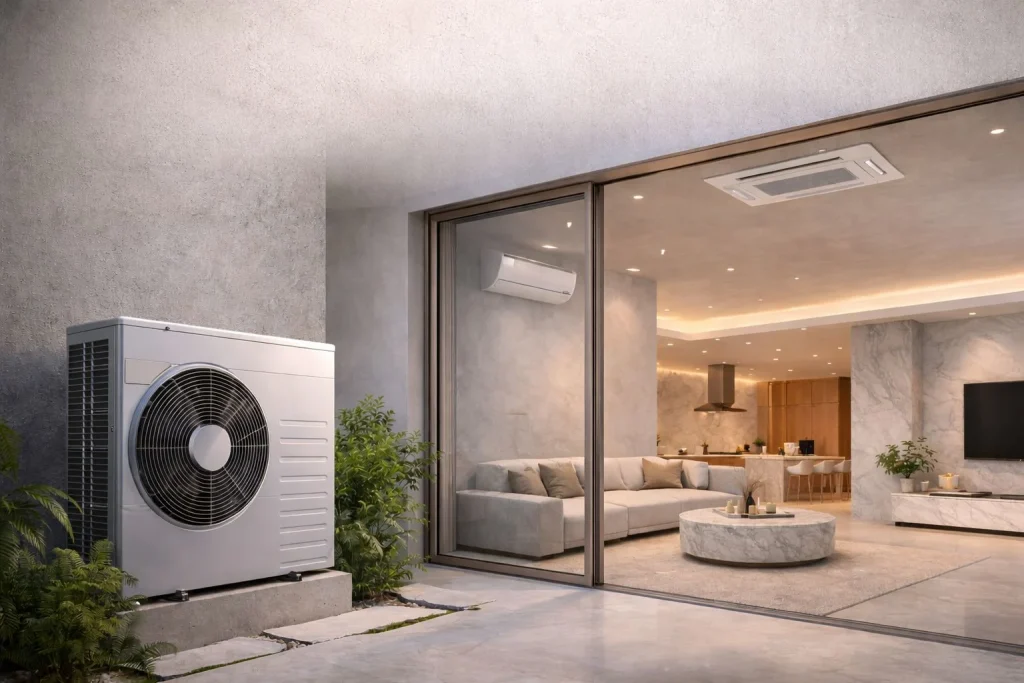
You walk into a room after spending time outside in the peak summer heat. Within minutes, the space feels cooler, fresher, and more comfortable. That comfort is possible because of an HVAC system.
HVAC systems have become an essential part of modern homes, offices, hospitals, malls, hotels, and industrial buildings. They help maintain indoor temperature, improve air quality, control humidity, and create a healthier living environment throughout the year.
In this guide, you’ll learn what an HVAC system is, how it works, its major components, types, benefits, and why it plays a crucial role in modern building design.
What Is HVAC?
HVAC stands for Heating, Ventilation, and Air Conditioning.
It is a complete climate control system designed to regulate:
- Indoor temperature
- Air circulation
- Ventilation
- Humidity levels
- Indoor air quality
Whether it is keeping a home cool during summer or maintaining warmth during winter, HVAC systems ensure a comfortable indoor environment regardless of outdoor weather conditions.
HVAC Full Form Explained
H – Heating
The heating component keeps indoor spaces warm during colder months using furnaces, boilers, heat pumps, or electric heating systems.
V – Ventilation
Ventilation ensures continuous airflow by removing stale indoor air and replacing it with fresh outdoor air. It helps eliminate pollutants, moisture, dust, and odors.
AC – Air Conditioning
Air conditioning cools indoor spaces by removing excess heat and controlling humidity levels, creating a comfortable atmosphere.
How Does an HVAC System Work?
An HVAC system operates through a combination of heating, cooling, and ventilation equipment.
The process typically follows these steps:
- The thermostat detects the indoor temperature.
- The system receives signals to heat or cool the space.
- Air is filtered and conditioned.
- Conditioned air is distributed through ducts or air handlers.
- Ventilation systems remove stale air and introduce fresh air.
- Humidity levels are maintained for improved comfort.
The entire process works continuously to maintain the desired indoor climate.
Main Components of an HVAC System
Thermostat
Acts as the control center of the system and allows users to set desired temperatures.
Air Conditioner
Removes heat from indoor air and transfers it outdoors.
Furnace or Heater
Generates heat during colder weather.
Heat Pump
Provides both heating and cooling functions while offering higher energy efficiency.
Air Handler
Circulates conditioned air throughout the building.
Ductwork
Carries heated or cooled air to different rooms.
Air Filters
Capture dust, allergens, and airborne pollutants to improve indoor air quality.
Ventilation Units
Ensure a constant supply of fresh air while removing contaminants.
Types of HVAC Systems
Split HVAC System
The most common HVAC setup found in residential buildings.
Features:
- Indoor and outdoor units
- Energy-efficient operation
- Suitable for homes and apartments
Packaged HVAC System
All heating and cooling components are housed within a single unit.
Ideal for:
- Small homes
- Commercial buildings
- Limited installation space
Ductless Mini-Split System
Uses individual indoor units without extensive ductwork.
Benefits:
- Easy installation
- Zone-wise temperature control
- Lower energy consumption
Hybrid HVAC System
Combines a heat pump with a traditional furnace.
Advantages:
- Reduced energy bills
- Improved efficiency
- Flexible heating and cooling options
Smart HVAC System
Integrated with smart thermostats and automation controls.
Features:
- Remote monitoring
- Mobile app controls
- AI-based temperature optimization
- Better energy management
Benefits of Installing an HVAC System
Improved Indoor Comfort
Maintains consistent temperatures throughout the year.
Better Air Quality
Filters dust, pollen, allergens, and pollutants from indoor air.
Humidity Control
Prevents excessive moisture and creates a healthier environment.
Energy Efficiency
Modern HVAC systems consume less power while delivering better performance.
Enhanced Property Value
Homes equipped with efficient HVAC systems often attract higher resale value.
Healthier Living Environment
Proper ventilation reduces airborne contaminants and supports healthier indoor conditions.
HVAC System Applications
HVAC systems are widely used in:
- Residential homes
- Apartments
- Office buildings
- Hospitals
- Hotels
- Shopping malls
- Educational institutions
- Manufacturing facilities
- Warehouses
Signs Your HVAC System Needs Maintenance
Watch for these common warning signs:
- Uneven cooling or heating
- Increased electricity bills
- Poor airflow
- Unusual noises
- Excessive humidity indoors
- Frequent system breakdowns
- Unpleasant odors from vents
Regular servicing helps improve efficiency and extend equipment life.
Tips to Improve HVAC Efficiency
- Clean air filters regularly.
- Schedule annual maintenance.
- Seal duct leaks.
- Use programmable thermostats.
- Ensure proper insulation.
- Keep outdoor units free from debris.
- Upgrade older systems to energy-efficient models.
Why HVAC Planning Matters During Construction
Many homeowners focus on interiors and finishes while overlooking ventilation and climate control planning. However, HVAC design directly impacts comfort, energy consumption, and indoor air quality.
Proper structural planning, insulation, durable construction materials, and efficient ventilation systems work together to create long-lasting, energy-efficient buildings. High-quality construction materials and strong building foundations help HVAC systems perform more effectively while reducing long-term maintenance requirements.
Conclusion
An HVAC system is much more than just an air conditioner. It is a complete climate management solution that regulates temperature, airflow, humidity, and indoor air quality. Whether for homes, commercial spaces, or industrial buildings, an efficient HVAC system improves comfort, supports healthier living conditions, and contributes to long-term energy savings.
As modern construction increasingly focuses on sustainability and occupant comfort, HVAC systems continue to play a critical role in creating smarter, healthier, and more energy-efficient home spaces.
Frequently Asked Questions (FAQs)
1. What is the full form of HVAC?
HVAC stands for Heating, Ventilation, and Air Conditioning.
2. What is the purpose of an HVAC system?
An HVAC system controls temperature, airflow, humidity, and indoor air quality within a building.
3. Which HVAC system is best for homes?
Split HVAC systems and ductless mini-split systems are among the most popular options for residential properties.
4. How long does an HVAC system last?
Most HVAC systems have a lifespan of 10–20 years depending on maintenance and usage.
5. Does HVAC improve indoor air quality?
Yes. HVAC systems use filters and ventilation mechanisms to remove pollutants, allergens, and dust particles from indoor air.
6. Is HVAC energy efficient?
Modern HVAC systems with smart controls and high-efficiency ratings can significantly reduce energy consumption compared to older systems.