Planning Home Security & Entryway Features

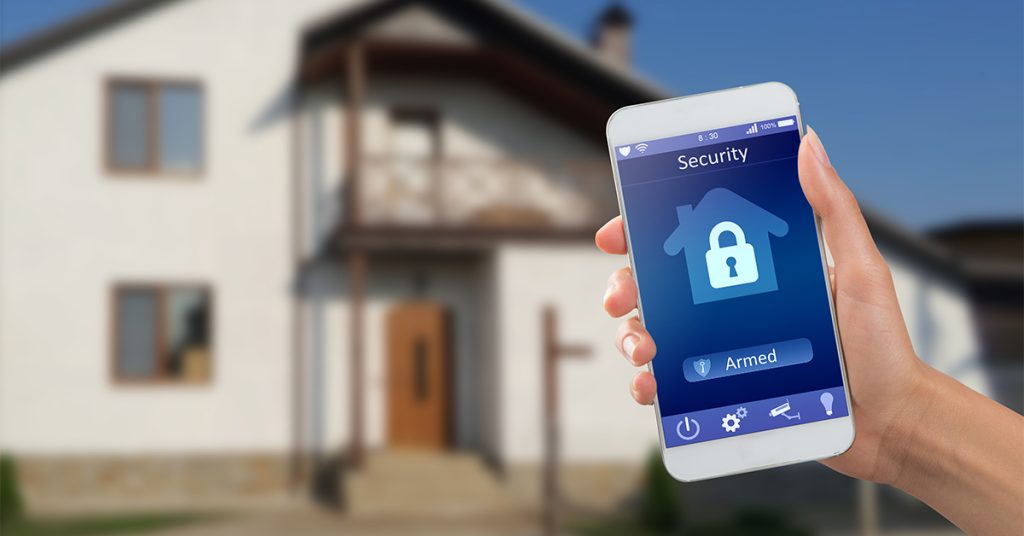
There’s a certain comfort in locking your door at night and knowing it’s enough. That your gate is firm, your walls won’t give way to the first attempt, and the path to your home is as welcoming to guests as it is discouraging to strangers with bad intentions.
In India, this balance is delicate. We like our homes open to neighbours, couriers, and visiting relatives, yet we also know the value of quiet security. And that balance begins long before you fit a lock — it starts at the planning table.
Security in Layers: A Filter, Not a Fortress
When you think about home safety, it helps to see it in layers. Not as a single barricade, but a series of gentle but effective hurdles.
The first layer is the outer edge — your boundary wall, your main gate, the way your plot opens to the street. In a busy lane, this could be a tall wall with a well-secured metal gate. In a quieter colony, it might be a lower wall but with a lockable, sturdy gate. Either way, this isn’t just about height — it’s about making entry inconvenient without making the home look closed-off.
Then comes the middle layer — the entryway zone. This is where design and defence meet. A path that’s well-lit but not glaring, plants that soften the view but don’t hide someone’s presence, flooring that stays firm even during the slipperiest monsoon evening.
The final layer is the home itself. This is where structure matters more than most people realise. You can fit the best smart lock on a door, but if the wall it’s fixed into cracks or the frame warps in three years, the lock is just an ornament.
Designing an Entryway That Feels Safe Without Feeling Harsh
In many Indian homes, the entryway doubles as a handshake. It needs to be confident, steady, and warm all at once.
One thing to avoid is creating blind spots. A winding path might look charming, but if it creates dark corners out of sight from the house or street, you’ve traded charm for risk. Lighting helps here — not the harsh white tube lights of a stairwell, but warm, well-placed fixtures or even solar lamps along the path. Motion sensors can make them come alive when needed.
A canopy above the door isn’t just for looks; it protects wood from rain, keeps your visitors dry while they wait, and makes the entry usable in all seasons. Flooring here should be non-slip — stone like Kota or textured tiles that grip even when wet.
Materials — The Security You Don’t See Every Day
Ask any builder with a few decades under his belt, and he’ll tell you: homes don’t fail because of bad paint, they fail because the base was compromised.
Your entryway sees more use and more force than most parts of your house — heavy doors swinging daily, delivery trolleys rolling in, kids running in and out. That’s why the cement used here should be the kind that resists wear, doesn’t crack easily, and keeps the wall firm against the frame.
Using something like JK Super Strong for the main structural work, and finishing with a smooth, weather-resistant wall putty like JK WallMaxX, means you’re not patching up every second year. Strong walls also mean your heavy security door doesn’t loosen in its hinges over time.
Landscaping That Helps You Sleep Easier
We often think of plants as purely decorative, but they’re also silent security partners. Low hedges under windows remove hiding spots. Thorny bougainvillea along boundary edges looks beautiful in bloom but isn’t something an intruder wants to push through.
Even a raised planter box can make a side path less accessible without making it obvious that it’s a deterrent. And good landscaping can guide visitors naturally to the entry you want them to use, keeping other approaches less inviting.
Lighting That Works Hard but Looks Soft
Light is one of the easiest, most effective security tools — and it doubles as décor when planned right. Instead of blasting the gate with a harsh floodlight, layer softer lighting: warm LEDs on the pathway, uplights on feature trees or the façade, and a brighter source near the door.
In cities where power cuts are still a reality, solar-powered lights with battery backup can keep your entry visible even during outages.
Small Details, Big Impact
Sometimes, it’s the simplest additions that make the biggest difference:
- A door viewer or camera so you know who’s knocking.
- A small raised threshold to stop rainwater (and slow down anyone forcing the door).
- A lock system that combines traditional mechanical security with a digital code.
- Clearly visible house numbers that help both guests and emergency services find you quickly.
Why the Foundation is the First Line of Defence
Security gadgets can be replaced. Lights can be upgraded. But the core structure? That’s meant to last decades.
If your main gate is anchored in weak concrete, it won’t hold. If the lintel over your entry door cracks in a few years, it becomes a vulnerability. When the base materials are strong, every other security feature you add has a better chance of doing its job.
This is where building with the right cement and finishes from day one pays back — not just in safety, but in the comfort of knowing you won’t have to rebuild the most critical parts of your home when they should be protecting you.
A Homeowner’s Checklist for Secure & Welcoming Entryways
I’ve seen enough houses — my own, my friends’, clients’ — to know that the little things often make the biggest difference. If you’re about to build, or even just rework your entryway, here’s what I’d keep in mind:
- Walk the approach.
Literally walk from the street to your door at different times of day and night. You’ll spot any dark corners, slippery patches, or awkward turns you might have missed on paper. - Test your lighting on a rainy evening.
In the monsoon, you’ll see if the light pools where you need it or if it just glares into your eyes. Soft, wide lighting beats one blinding tube any day. - Choose flooring you trust barefoot.
Because you will step out barefoot to get the newspaper or water the plants. If it grips your feet when wet, it’s the right choice. - Think about the view from the inside out.
Standing at your main door, can you see your gate? Your boundary? If not, fix that — even a strategically placed mirror indoors can help. - Plant with purpose.
That bougainvillea or hibiscus? Beautiful, yes — but it’s also a gentle “keep out” if placed right. Avoid plants that give someone a perfect hiding spot. - Lock it, then live with it.
Use your main lock daily, not just when you leave town. You’ll know within a month if it’s comfortable, reliable, and secure. - Build like you won’t touch it for 20 years.
Because if you choose the right cement, the right finish, and the right door frame now, you won’t have to. Weak foundations are like leaky roofs — they only get more expensive with time.
FAQs
1. How do I design a secure home entryway?
Combine clear visibility, strong materials, good lighting, and a well-defined pathway.
2. What is a layered security approach?
Multiple protective measures — perimeter, entryway, and structural — working together.
3. Can landscaping improve home security?
Yes — low shrubs, thorny hedges, and strategic planting can deter intruders.
4. Which materials are best for a strong entryway?
High-quality cement, solid wood or steel doors, and tempered glass for windows.
5. What lighting works best for security?
Motion-sensor lights for efficiency and visibility, combined with pathway lighting.
6. How do I keep my entryway safe during monsoon?
Use non-slip flooring, covered porches, and proper drainage.
7. Are smart locks safe?
Yes, if paired with traditional locks and used with secure passwords.
8. How does cement quality affect home security?
Stronger cement ensures walls and structures resist damage, making forced entry harder.
9. Is a visible address important for security?
Yes — it helps emergency services reach you quickly.
10. Can an entryway be both beautiful and secure?
Absolutely — thoughtful design blends aesthetics with safety features seamlessly.