Eco-Friendly Home Layouts for Green Living

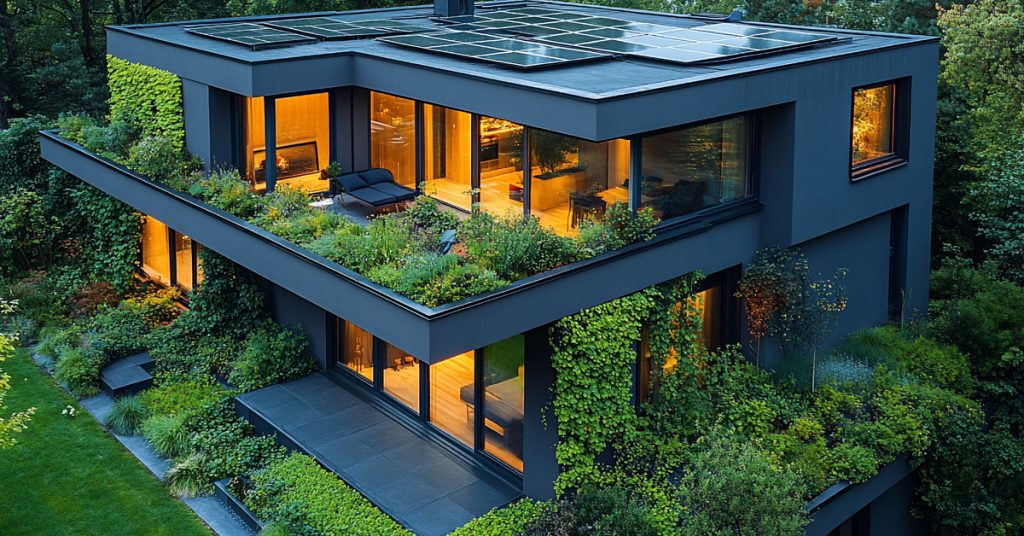
“The greenest home isn’t the one with the most trees and plants, it’s the one that uses what nature already gives for free.”
A few decades ago, “going green” in a home usually meant planting a few tulsi plants in the courtyard or making sure the windows let in some breeze. Today, with cities heating up, water tables dropping, and electricity bills climbing, eco-friendly home design in India has become a serious consideration—not just for the environmentally conscious, but for anyone who wants a comfortable, future-proof home.
The good news? Building a sustainable home layout isn’t about giving up modern comforts. It’s about designing spaces that work with nature instead of fighting it. And in India, with our varied climates and building traditions, we already have a head start if we tap into age-old wisdom and mix it with modern solutions.
Starting With Orientation – Let the Sun and Wind Work for You
One of the first decisions in a sustainable home layout isn’t about where to put the sofa- it’s about which way your home faces.
In most parts of India, placing the longer sides of the house to face north and south can reduce heat gain, because the harsh east and west sun is minimised. This means cooler interiors in summer without depending on the AC all day.
Courtyards and Verandahs – More Than Old-Fashioned Charm
Walk into an old haveli in Rajasthan or a Chettinad home in Tamil Nadu, and you’ll see a courtyard at the heart of the design. It’s not just beautiful – it’s smart climate control.
Courtyards help with cross-ventilation, letting hot air escape upwards and drawing in cooler air. Verandahs act like buffer zones, reducing direct heat on your main walls. In modern eco-friendly home design in India, even a small open-to-sky courtyard can make a big difference in temperature and light quality inside.
Room Placement – Matching Spaces With Nature
In a sustainable home layout, each room’s position matters:
- Bedrooms ideally go on the east side to catch the morning sun.
- Kitchens often work well in the southeast for natural light and ventilation.
- Utility areas can be placed in the west, where afternoon heat isn’t a big issue.
This isn’t just old Vastu advice– it’s a way to reduce artificial lighting and cooling needs.
Natural Ventilation – The Free Conditioning To Consider
Cross ventilation is the oldest form of air conditioning. By placing windows and vents opposite each other, you let the breeze flow through. In hot-humid regions like Kerala or Goa, high louvred vents can keep interiors cool even in monsoon humidity.
If the air is moving, you will feel 2–3°C cooler without touching the thermostat. That’s the magic of smart window placement.
Material Choices – Cool, Local, and Long-Lasting
Eco-friendly homes aren’t just about layout—they’re about what you build them with. In India, we have access to sustainable materials that work brilliantly for our climate:
- Fly ash bricks are lighter, stronger, and use industrial waste.
- Terracotta tiles are the coolest, literally – they keep floors cool underfoot in summer.
- Natural stone, such as kota or granite, is durable and low-maintenance.
- Using local materials not only supports the domestic economy but also reduces the cost of transportation.
Water Conservation – Designing for Sustainability
With underground water levels decreasing every year, eco-friendly home design in India must include water management right from the start.
- Rainwater harvesting tanks can be included under courtyards or parking areas.
- Greywater recycling systems can reuse water from sinks and showers for gardening.
- Sloping roofs can direct rainwater into collection points instead of letting it drain away.
Green Roofs and Walls – Healthy and Refreshing
A green roof not only insulates the home but also reduces the “heat island” effect in cities. Similarly, vertical gardens on west-facing walls can cut down heat absorption while adding a fresh, green view from the inside.
Even a modest kitchen garden on a terrace can lower indoor temperatures by 2-3°C while giving you fresh produce for your meals.
Energy Smartness – Integrating Solar and Daylighting
In many parts of India, solar panels now pay for themselves within 4-6 years. A sustainable home layout can be planned for them from the start- placing the roof at the right angle, leaving space for maintenance, and wiring the home to use solar energy efficiently.
Daylighting is another overlooked gem. By placing skylights or light tubes strategically, you can light up rooms during the day without switching on bulbs. One Bengaluru home uses a central skylight with reflective surfaces to light up the dining and kitchen areas naturally for most of the day.
Low-Maintenance Landscaping
An eco-friendly home isn’t just about the building- it’s also about what surrounds it. Planting native plants can be low maintenance as they thrive in local conditions with minimal care.
In dry areas, plants like bougainvillaea, aloe vera, and neem trees create shade and beauty without constant watering, adding a bit of wellness too.
Integrating Modern and Traditional
The most effective sustainable home layouts are a smooth blend of contemporary and traditional architecture. You can have a modern open-plan kitchen, but shade it with a deep verandah outside, or you can install energy-efficient appliances while also relying on natural ventilation.
Affordability – Going Green Without Breaking the Bank
A common misconception is that eco-friendly design is expensive. Yes, some elements like solar panels or green roofs can be an investment, but many sustainable practices like window orientation, cross ventilation, and local materials actually save money in construction and running costs.
Future-Proofing Your Home
An eco-friendly home about how it will perform in the next 20-30 years. With climate change bringing hotter summers and heavier monsoons, a sustainable home layout can be better prepared than a traditional one. India has had a tradition of architecture that is responsive to different climates
Green living isn’t about going scientific – it’s about creating a home that is comfortable, affordable, and mindful of the planet as well. In India, we’re lucky to have a long tradition of climate-responsive architecture to draw from.
Whether you’re building from scratch or renovating, build that extra window for cross ventilation, a rainwater tank for water storage, and plant more native trees. These choices add up. That’s the essence of eco-friendly home design in India—and the way forward for truly sustainable living.
FAQs
1. How can room placement make a difference to the temperature?
A sustainable home layout places bedrooms in a direction that catches the morning sun, kitchens where there’s an inflow of breeze, and utility areas that don’t heat up.
2. Are courtyards and verandahs still practical in cities?
Yes, they can be built even in smaller plots. A courtyard can be a small skylit cut-out that brings in light and air. Such modern eco-friendly home designs in India are now becoming popular.
3. Is rainwater harvesting worth the cost?
Absolutely. Integrating rainwater harvesting in your sustainable home layout from the start is far cheaper than adding it later. One good rainy season can fill up your tank and not have you be dependent on tankers for months.
4. Can solar power cover all my home’s needs?
In most cases, it does if your demand is sensible. A well-planned eco-friendly home design in India pairs solar power with energy-saving measures to carry most of the load.
5. Do green roofs and walls require a lot of upkeep?
Yes, they do need care, but no more than a regular garden. Choose low-maintenance native plants, drip irrigation, and seasonal checks – you get insulation, lower indoor temperatures, and fresh greens.
6. Is building green in India affordable?
Yes, it can be surprisingly budget-friendly. Features such as windows, cross ventilation, and local materials will cost less and save on electricity and water bills over time.