Step-by-Step Home Construction Process in India: Your Realistic Guide

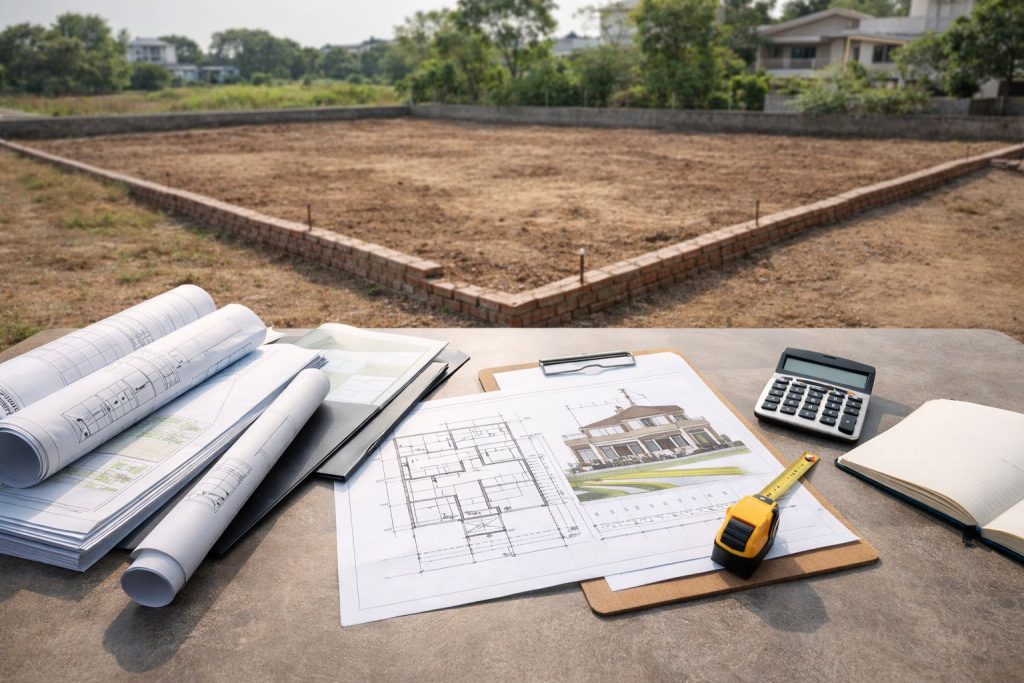
Are you standing at the edge of your own plot, ready to build a dream home—but unsure where to start? Maybe you’ve seen neighbors slog through endless paperwork, run-ins with contractors, and unexpected costs that keep creeping up. Navigating the home construction process in India can feel like a marathon, but with a well-laid roadmap, you can walk in confidently. In this guide, I’ll break down every step, reveal pro tips, and help you sidestep the common pitfalls I’ve witnessed time and again. You’ll get a clear, regionally grounded view, so whether you’re in Bangalore, Kochi, Gurugram, or Pune, you’re ready to build smart.
Let’s dive in. By the end, you’ll have a full, real-world picture of how to take your home from sketch to reality—without losing sleep or breaking the bank.
What Are the Real Phases in the Home Construction Process in India?
Building a home in India involves a series of phases, each with its own set of tasks, approvals, and timelines. Here’s how it unfolds on the ground—what I’ve seen myself, walking sites from Mumbai to Coimbatore:
- Pre-construction (3–8 months): Site selection, design, planning, budget estimation, securing building permits. Without this, chaos reigns later.
- Construction (8–18 months for most homes): From excavation to structure to finishing—each stage depends on smooth coordination and the weather gods.
- Post-construction (1–3 months): Inspections, finishing touches, official handover.
Here’s a quick table for reference:
| Phase | Typical Duration | Critical Activities |
| Pre-construction | 3–8 months | Plot, architect, approvals, budget |
| Construction | 8–18 months | Foundation to finishing |
| Post-construction | 1–3 months | Inspections, occupancy, handover |
Export to Sheets
Word to the wise? Pad your timeline by 15–20% for unavoidable delays—especially if you build during monsoon.
How Do You Get Your Home Construction Plans Approved?
Before a single brick is laid, you’ll need to clear the paperwork. India’s construction approvals can be labyrinthine—each city, sometimes each suburb, has its own twists.
- Municipal Corporation or Local Panchayat: This is your go-to for most urban and rural areas—think BBMP in Bangalore, MCGM in Mumbai.
- Development Authorities: For new layouts (like HMDA in Hyderabad, DTCP in Chennai).
Required Approvals:
- Title clearance (proof you own the land)
- Land use conversion (agricultural to non-agricultural, if needed)
- Building plan sanction (your architect submits certified drawings)
- Environmental and fire safety clearances for larger builds
- NOCs from various authorities (pollution, utilities, airport, etc.)
Tip: In some states like Karnataka and Tamil Nadu, you can track approvals online. In others, it’s still old-school paperwork.
What’s Involved in Site Preparation and Foundation Work?
Once approvals are in hand, the ground work begins—literally.
What happens here:
- Site survey and soil test: Ensures your foundation won’t crack in six months. (Don’t skip—I’ve seen houses tilt.)
- Site clearing and leveling
- Marking boundaries and plotting the layout
- Excavation and foundation laying: Depending on soil, you’ll use isolated footings, raft, or pile foundations—refer to BIS standards for safety.
Good contractors test groundwater levels and plan for drainage; if they shrug it off, walk away.
What Happens in the Structural and Masonry Phase?
Here’s where the skeleton of your house rises. It’s the stage everyone gets excited about—you see progress, fast.
- Frame construction: RCC columns, beams, slabs—done as per IS 456 code (critical for earthquake zones; mandatory in North India’s seismic areas).
- Brick or blockwork: Building walls—most metros now prefer AAC blocks for their insulation and eco-friendliness.
- Roofing: Flat slab or pitched roof, depending on your region (flat is popular in urban North, sloped in heavy rainfall South).
- Lintels and chajjas: Protect doors and windows from rain.
Industry tip: Reputed contractors use ready-mix concrete in bigger cities for consistency; in smaller towns, site-mix is still common.
How Do Plumbing, Electrical, and Other Key Utilities Get Installed?
MEP—Mechanical, Electrical, and Plumbing—work can make or break your home’s comfort. The devil’s in the details.
- Plumbing lines: Laid for bathrooms, kitchen, external drains. Use ISI-certified pipes for longevity.
- Electrical conduits: Integrated into walls before plastering—never as an afterthought.
- AC ducting, solar wiring (if needed)
- Waterproofing: Especially for bathrooms, terrace, kitchen—use BIS-certified materials.
- Utility connections: Municipal water, borewell (where municipal supply is patchy), electricity meter, sewage hookups.
Don’t rely solely on the contractor—bring in certified specialists for MEP if possible.
What Is the Finishing Phase and How Does It Affect Quality?
This stage transforms a ‘construction site’ into a home.
- Plastering and flooring: Granite and vitrified tiles are more common in South and West India, marble in North.
- Doors and windows: Teak and UPVC are leading choices—check CPWD guidelines for durability.
- Painting and polish: Weatherproof paints are a must in humid zones; don’t skimp.
- Fixtures installation: Modular kitchen, bathroom essentials, lighting.
- Site cleanup and landscaping: Final touch, often rushed—don’t let them.
Pro tip: Quality depends on the finishing team. In metros, dedicated contractors specialize in interiors; in smaller towns, civil teams handle multiple roles.
How Can You Manage Timelines, Costs, and Contractors?
Building is as much about people as it is about materials.
- Hire experienced, locally trusted contractors—ask for references, licenses, financial stability. In Bangalore, Mumbai, and Delhi, online platforms can make vetting easier.
- Use milestone-based payment schedules—tie payments to completion of foundation, frame, and finishing.
- Insist on a detailed contract—scope, materials, penalties for delay.
- Expect some delay and budget slippage—factor 10–20% buffer.
- Communication is key: Weekly site visits or digital updates help you stay in control.
I’ve seen faces light up when homeowners realize they’re not at the mercy of contractors, they’re partners. That’s the real win.
Troubleshooting: What Are Common Pitfalls and Solutions?
Even with the best planning, things go wrong. Here’s how to spot and solve them:
- Delays during monsoon: Plan critical work (foundation, roof) outside rainy seasons—October to March is optimal almost everywhere.
- Unexpected cost overruns: Track expenses regularly; hidden costs include utility connections, boundary walls, and change orders.
- Material shortages: Pre-order critical items; check vendor reliability locally. In North India, festival season spikes demand.
- Construction errors: Regular site inspections and independent audits at key stages (foundation, structure, finishing).
- Poor labor quality: Hire skilled, certified teams (not just the cheapest available).
Want smooth sailing? Prioritize communication and maintain good records from day one.
FAQs
1. How long does it realistically take to build a house in India from start to finish?
For most homeowners, the journey runs 12–24 months. A compact single-floor house (around 1,000–1,500 sq ft) can be ready in 12–15 months, while multi-storey homes and villas often stretch to 18–24 months. Don’t forget: pre-construction steps like design approvals and permits alone take 3–6 months before work begins on-site.
2. What legal approvals are compulsory before starting house construction in India?
The core approvals include a clear title deed, land use conversion (if agricultural), and a building plan sanction from your municipal body. Depending on location, you may also need NOCs for water, electricity, fire safety, and even airport authority clearance. Skipping approvals can trigger stop-work notices, penalties, and resale complications later.
3. How much does home construction cost per square foot in India in 2025?
For standard-quality construction, expect ₹1,500–2,500 per sq ft. Premium or luxury homes with imported finishes, advanced MEP, and smart systems can range ₹3,000–4,500+ per sq ft. Local labor and material rates, city regulations, and design complexity heavily influence the final cost.
4. What is the best season to start house construction in India to avoid delays?
The safest window is October to March across most regions. Monsoon months (June–September) are risky since waterlogging and constant rain slow down foundation work, masonry, and curing. Summers are workable but require extra curing to prevent cracks.
5. Should I hire a contractor directly, or is it better to work through an architect?
For smaller builds, a reliable contractor may suffice. But for medium to large projects, the architect–contractor combo works best. Architects ensure design compliance and quality, while contractors execute the actual work. Many disputes happen when homeowners skip architects and rely only on contractors.
6. Do I really need soil testing before starting the foundation?
Yes—soil tests aren’t optional. They reveal soil bearing capacity, groundwater levels, and help engineers design the right type of foundation (isolated footing, raft, or piles). Skipping it can lead to cracks, settlement issues, or even structural failure years later.
7. Which construction phase usually takes the longest time in India?
The superstructure and masonry phase often consumes 3–6 months, depending on size. This includes columns, beams, slabs, and wall construction. Interior finishing (flooring, plastering, painting, and fixtures) is another phase that often runs longer than expected due to detail work and custom choices.
8. What hidden costs should I expect during the home construction process?
Beyond the quoted construction cost, homeowners often face expenses for utility connections, compound walls, approvals, landscaping, interior fittings, and statutory fees. On average, these extras can add 15–25% to your budget. Keeping a buffer fund is essential.
9. How can I make sure my project stays on schedule and within budget?
Lock your design before starting, tie contractor payments to milestones, pre-order materials prone to shortages (tiles, fixtures), and do weekly site check-ins. Hiring a project manager or independent engineer for key stage audits also prevents costly rework.
10. Is it worth hiring a project manager for a home build in India?
For complex, multi-storey, or luxury builds, yes. A project manager coordinates contractors, monitors costs, and ensures quality checks—saving you both stress and delays. For smaller homes, a strong architect–contractor partnership and active homeowner involvement may be enough.
Conclusion
Building a home in India isn’t just about bricks and mortar—it’s about timing, trust, and tenacity. Armed with the steps, regional insights, and plainspoken wisdom shared here, you’re not just getting a house. You’re building peace of mind. Want help finding vetted contractors, tracking costs, or learning more? Explore our guides and solutions—write in with your toughest questions, and we’ll tackle them together.
Ready to take the next step on your journey? Dig deeper into our expert resources, compare costs by city, or connect with local professionals. The home you want is closer than you think.