Common Mistakes to Avoid During Home Construction in India: A Practical Walkthrough

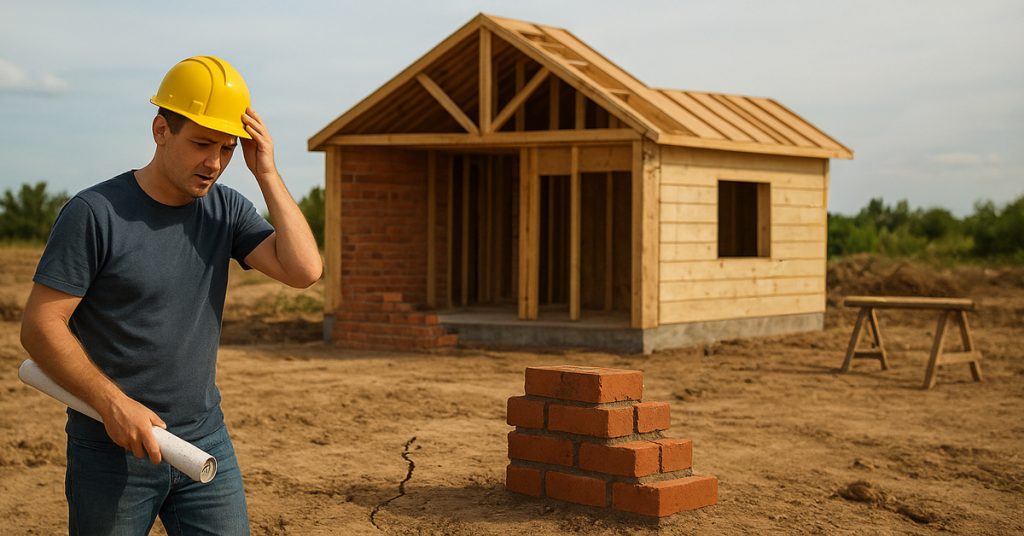
Building your own home is one of those once-in-a-lifetime experiences. It’s exciting, no doubt, but I’ve also seen it turn into a nightmare for families who didn’t know what to watch out for. Most of the problems aren’t about money—they’re about small oversights that snowball into delays, extra bills, or even legal trouble.
If you’re about to start, or you’ve already bought your plot, let me walk you through the home construction mistakes I see most often in India. Some of these I’ve seen play out in Delhi, some in Bengaluru, others in small towns where rules work differently—but the lessons are the same everywhere.
Why bother avoiding mistakes?
Think about it like this: every mistake you avoid is money in your pocket and months saved off your timeline. Miss something early—like soil testing or getting approvals—and you’ll feel the impact ten times harder later. I’ve had homeowners call me when half their structure was up, only to realize they didn’t have a commencement certificate. Trust me, you don’t want to be in that position.
The mistakes I see over and over again
1. Starting without a clear plan or budget
This is the big one. Families get excited, rush into hiring a contractor, and start digging without knowing the real numbers. Later, when costs go 25% over what they imagined, panic sets in. Always sit down with your architect and contractor, list every expense (even “small” ones like approvals and interiors), and keep at least 15% as a buffer.
2. Skipping soil testing
In North India, I’ve seen entire foundations crack within two years because someone thought soil testing was a waste of money. A basic geotechnical test tells you if your land can take the load. It costs peanuts compared to fixing a failed foundation.
3. Picking the wrong contractor
Lowest bid? Always tempting. But nine out of ten times, that contractor either cuts corners or abandons the project mid-way. Go with someone who’s done similar-scale homes, check their past projects, and talk to at least two of their previous clients. A good contractor is half the battle won.
4. Ignoring legal approvals
I know approvals feel like red tape, but they’re non-negotiable. If your plan isn’t sanctioned or your land use isn’t clear, you’ll spend years fighting notices instead of enjoying your home. In Mumbai, one of my clients had to pause construction for six months just because they skipped a simple fire NOC.
5. Saving money with cheap materials
Sure, you can buy “budget” cement or thin TMT bars. But in five years, when dampness shows up in every wall or cracks appear in your slab, you’ll regret it. Always buy from trusted suppliers—even if it means stretching your budget a little now.
6. Building at the wrong time of year
Trying to pour concrete in the middle of monsoon? Bad idea. In Chennai and Kerala, rains stall projects for weeks. In peak Delhi summer, labor productivity drops, and curing becomes a challenge. Best window: post-monsoon till early summer (Oct–March).
7. Not visiting the site often
Many homeowners assume the contractor will “handle everything.” Reality check: if you’re not watching, shortcuts creep in. Make it a point to visit weekly, or at least get photo/video updates. A 20-minute visit can save lakhs in rework.
8. Constant design changes
Every extra room, shifted wall, or upgraded finish you decide on mid-way throws off timelines and costs. Plan thoroughly at the start. If you want a larger balcony, decide before the foundation is poured—not after.
How to stay on top of things
- Finalize your drawings and budget before a single brick is laid.
- Hire a contractor you trust, not just the cheapest.
- Keep all legal approvals in hand. Don’t skip this step.
- Visit your site regularly—don’t outsource oversight entirely.
- Plan construction in the right season.
FAQs
1. How often should I visit my home construction site to avoid mistakes?
At least once a week. Regular visits help you spot issues early, confirm progress, and keep contractors accountable.
2. What are the three most important walkthroughs during construction?
Framing, pre-plastering (before walls are closed), and final finishing. Missing these can hide errors that are costly to fix later.
3. Should I ask questions during site visits, or leave it to the contractor?
Always ask questions. Clear communication avoids misunderstandings and keeps your contractor alert.
4. Can I take photos or videos of the site?
Yes. Documenting work with photos helps track progress and gives you proof in case of disputes later.
5. Is it worth asking my builder for a weekly schedule?
Absolutely. A weekly schedule keeps expectations clear and prevents delays from creeping in.
6. What are the most common hidden costs in home construction?
Boundary walls, utility connections, and last-minute design changes. Always keep a 10–15% buffer.
7. Do legal approvals really matter if I already own the land?
Yes. Without sanctioned plans and permits, you risk stop-work notices, penalties, or resale problems later.
8. Can I trust the lowest-bid contractor to save money?
Not always. Cheap contractors often cut corners on materials or abandon projects. Verify their past work before hiring.
9. What should I check during site visits to confirm quality?
Concrete mix, alignment of columns/walls, waterproofing, and material brands. Use a checklist or hire an independent engineer.
10. What’s the ideal season to start house construction in India?
October to March is best. Avoid monsoon months (June–September), when delays and material damage are common.
Final word
Building a home is a marathon, not a sprint. The good news? Most home construction mistakes are preventable. Plan ahead, choose your team wisely, and stay involved. Do that, and you won’t just build a house—you’ll build a stress-free home that stands strong for decades.