How Smart Tech & AI Are Revolutionising Cement Plants in India

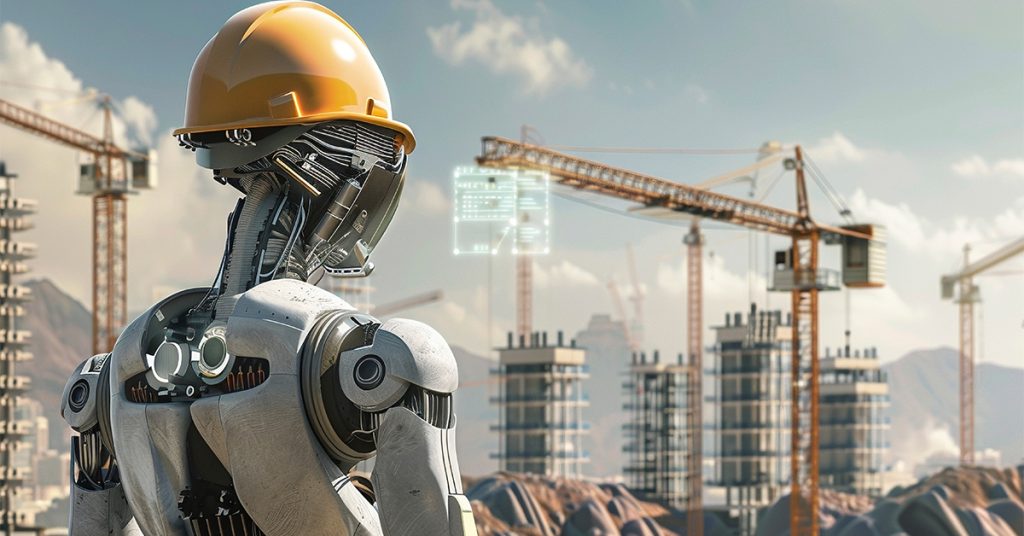
Imagine stepping into a cement plant today- not the dusty, noisy place you might recall from childhood visits, but a space humming with intelligent systems, remote monitors, and AI‑driven insights. It’s a big shift from the old-school grind. These days, smart cement plants are transforming how we build- quicker, cleaner, and more precisely than ever before.
From Sweat to Screen: A New Kind of Control Room
Back in the day, the command room meant a bunch of analogue gauges, walkie‑talkies, and a supervisor shouting across the shop floor. Today? Rows of screens display real‑time data. Sensors track kiln temperatures to the decimal, moisture levels, and even wear on conveyor belts. And it’s all accessible from laptops or tablets— sometimes even from home.
That’s AI in cement manufacturing at work. When the kiln overheats even slightly, the AI system flags it before things spiral out of control. No more waiting for gauges to lag or alarms to go off. One Indian plant reported a 10% drop in energy wastage within months of enabling predictive alerts.
The Predictive Advantage: Fix It Before It Breaks
In traditional setups, an unexpected breakdown can mean days of lost production. The old fix‑when‑it‑breaks routine costs time, money, and can disrupt supply, even hitting construction project schedules downstream. Now, AI models provide early warnings for your motor bearings heating up.
Optimising Quality Batch by Batch
Consistency is king in cement. Mix slightly too much clinker or eccentric heat patterns, and the quality dips. And honestly, no one wants calls from customers pointing out weak mortar or flaky plaster.
AI systems monitor real‑time input- raw material types, moisture levels, and fuel composition, and help maintain mix ratios precisely. Plants have reported a 3% improvement in cement strength consistency just by fine-tuning the mix using AI dashboards. The good news is that fewer chemical additives are needed, and easier compliance with standards like IS 269 and IS 1489.
Energy and Emissions: Burning Less, Polluting Less
Let’s talk footprint. Cement plants are traditionally heavy energy users. Smart cement plants now use AI to optimise combustion processes- adjusting oxygen flow, fuel mix, and kiln speed. The result? Lower fuel bills, less CO₂ release, and fewer polluting microparticles.
India is part of the global drive toward Net Zero, and plant managers say AI gives them a real shot. One northern plant reported a 7% drop in fuel consumption- thanks to smarter temperature control loops and burner timing, all guided by machine learning.
Safety First: Human-Centric Tech
Safety isn’t just about helmets and signage anymore. Wearable trackers alert if someone enters a hot zone. Vision systems detect if gloves, goggles, or masks are missing. Even ground‑level gas sensors are networked, with AI analysing patterns to predict danger zones.
Plants that integrated AI with CCTV feeds, learnt about safe zones around heavy machinery and can avert potential accidents.
Training, Not Replacements
AI isn’t here to fire people. It’s here to help. Today’s mill operators are getting dashboards instead of scroll clocks. They’re learning to trust AI alerts-or override them with good judgment.
For instance, when AI suggested a kiln downshift, the on‑site engineer took a quick look at weather‑forecast data (drier conditions were incoming) and paused the suggestion temporarily. Combining human insight with AI smarts- the sweet spot.
The Digital Twin: A Virtual Cement Plant
Some leading Indian players are experimenting with digital twins- a virtual replica of the plant that mirrors operations in real time. Operators can simulate schedule changes, maintenance blocks, or raw material substitutions to see outcomes before making real-world tweaks.
The Ripple Effect: Faster Projects, Better Plasters
When smart systems reduce breakdowns, limit waste, and maintain consistent quality, the ripple is felt beyond plant walls. Builders get a reliable supply, homeowners get smooth plaster finishes, and landmarks stand the test of time. A cement bag might still cost ₹300–₹450, but with smart plants, that bag becomes a bag of promise- no surprises at the site.
Small Steps, Big Wins
Not every plant is fully smart yet. Upgrades are often stepwise:
- Basic sensors on motors
- Threshold alerts on key machinery
- AI-driven predictive maintenance modules
- Full digital twin simulation
Each step is a win. You don’t have to go full AI overnight. And it’s smart to adapt depending on region, fuel type, or production scale. That’s what makes the idea of smart cement plants feel grounded- day‑by‑day evolution, not overnight disruption.
But is it Expensive?
There’s an upfront investment, sure. Still, payback at many plants happens in 12–18 months, through energy savings, reduced downtimes, or better product quality. And once the AI layer is added, scaling to other lines or similar facilities becomes far cheaper.
The Human Side of High Tech
“Is AI taking our jobs?” In reality, operators are shifting roles- becoming interpreters, decision-makers, and AI partners. There’s pride in discovering a fault early or fine-tuning a process to save fuel.
Earlier, supervisors would walk the machine room every few hours. Now they look at the tablet dashboards and go only when AI flags something. When they do, they already know why they’re going.
What’s Next?
We’ll see more clusters of plants sharing data, centralised control hubs, AI-enhanced logistics (predicting demand, timing shipments), and even drones inspecting chimneys and dust collectors. We might soon get push notifications on our phones about emissions spikes or raw meal composition, like alerts about our own health.
From spinning kilns to data streams, India’s cement industry is stepping into a smarter era. AI in cement manufacturing isn’t just a buzzword- it’s becoming a quiet revolution- one that brings safer plants, better quality cement, and a ripple of benefits down to construction, homes and infrastructure.
So yes: smart tech might be changing an age‑old industry. But the heart of it remains the same- helping builders, families, and communities trust what’s in their walls.
FAQs
1. Is this tech only for the big, corporate plants?
Not anymore. While it started with larger integrated units, even mid-size grinding units are catching up, thanks to modular automation systems. Places like JK Cement’s units in Rajasthan and Madhya Pradesh have steadily introduced smart systems in phases.
2. Will smart cement plants lead to job losses?
That’s a big fear — and a valid one. But here’s the thing: most plants aren’t cutting people, they’re reskilling them. Operators are learning to read dashboards instead of gauges. Maintenance crews are being trained to use AI tools that flag issues before something breaks. So yes, the nature of jobs is changing — but not disappearing. It’s about combining experience with data.
3. What kind of data do these plants collect?
Everything — and we mean it. From how long a motor runs to the chemical composition of limestone. Sensors track vibrations, emissions, fuel input, ambient temperature… even minor anomalies. AI systems then use this to make calls, whether to adjust feed rates or flag a possible failure. It’s not just about big data, it’s about useful data.
4. Can AI improve sustainability in cement manufacturing?
Yes, absolutely. One of the biggest benefits of smart cement plants is lower emissions. At many units, AI is being used to reduce the clinker factor and increase the use of blended cement. This means using less limestone and energy, which directly cuts down on CO₂ output. The systems can optimise the use of alternative fuels, improving thermal substitution rate