Vastu Tips for Good Health at Home

There’s something deeply comforting about walking into a home that just feels right—you breathe easier, your mind feels quieter, and somehow your chest unlocks. Often, that feel-good vibe begins with balance: how the rooms are laid out, how light moves through, the corners we choose for our beds or stove. That’s where Vastu for health quietly steps in—not as superstition, but as thoughtful, everyday care.
From old family homes to small city flats, every place has its quirks. Applying Vastu for health doesn’t mean flipping walls or rituals—it’s about subtle shifts. Let’s explore how simple choices around orientation, air, light, and materials can uplift the well-being of everyone under your roof.
1. East-Facing Entrance: A Breath of Fresh Start
No architecture degree needed—just the awareness that morning sunlight is natural medicine. If your main door faces east or northeast, open it gently at sunrise. The soft amber starts your day calmly. In a Mumbai flat or a Delhi home, even a small east tilt helps. Sunlight brings vitamin D, clears stale air, and freshens the spirit.
Tip: Don’t block that pathway with tall shoe racks or heavy draperies. Let the first light in unhindered—it warms the floors and you, too.
2. Light, Air, and Clean Flow
We’ve all stayed in rooms where the stale smell sticks, even with a fan running. That’s poor airflow. In Vastu for health, cross‑ventilation is everything. Windows or vents ideally go in the east, north, or northeast walls.
Tip: Try placing a flagstone or coaster near vents to show airflow. No flutter, no breeze? Shift furniture, or use longer curtains that flow lightly in the breeze. That airflow isn’t just air—it feels like breathing space for your lungs and mind.
3. Kitchen Focus: Nourishment From the Core (Southeast)
The kitchen is also your home’s metabolic heart. Vastu suggests placing cooking stoves in the southeast corner—think “Agni,” the fire element. That spot becomes a mindful cooking zone, stirring balance into your meals.
Tip: Place your masala box or pots at the left, so you move right-to-left in the cooking zone—intuitive, efficient, and comfortably aligned with this fire corner.
4. Bedroom Positioning: Rest, Recharge, Repeat
A restful bedroom is non-negotiable for health. For Vastu, your bed should ideally face south, so when you sleep, your head is toward the south or east. Many elders will advise you to sleep with your head south – this isn’t just tradition: it’s grounding.
Tip: Keep the bedroom neat, pale-coloured, and avoid mirrors facing the bed. Those reflections disrupt calm, especially at night.
5. Avoid the Central Chaos (The Brahmasthan)
Think of your house’s centre as the heart’s chamber—keep it clear of clutter, pillars, or toilets. That central space should feel airy, like your chest opening into a truthful moment.
Tip: In a small flat, make it visually open. Use rugs with a circular centre unbroken by tables, or keep furniture pushed along walls. This visual flow subtly supports mental peace and physical ease.
6. Study Corners & Work Zones: Elemental Alignment
If someone studies or works late, their desk belongs in the northeast, where Vastu for health meets clarity and focus. If that’s not possible, the east-facing wall works too.
Tip: Face the light, not your back to it. Open blinds or windows so you can see the day’s brightness. Nothing strains your eyes more than sitting in dim, artificial light when the sun waits just outside.
7. Smart Placements: Plants, Water Features, Natural Textures
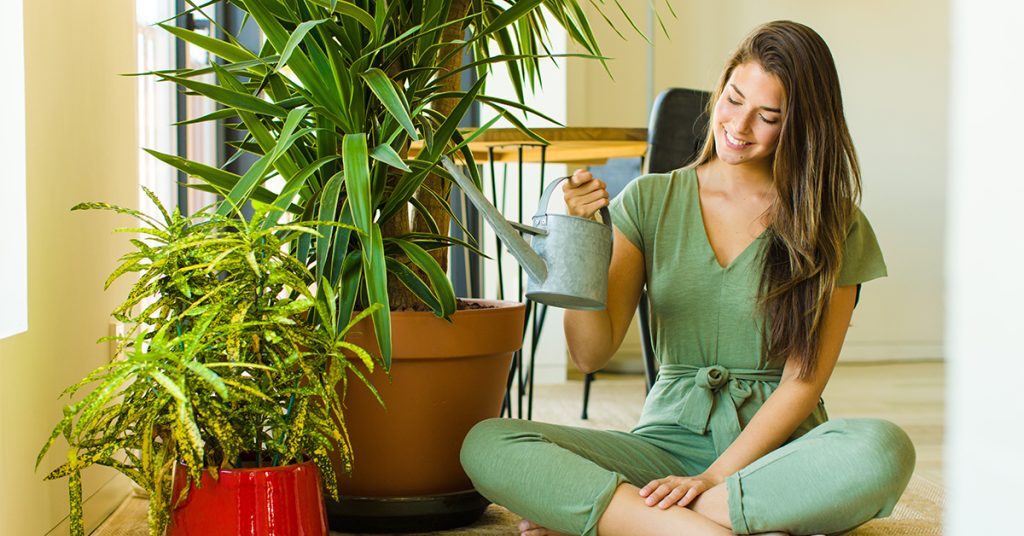
A money plant in the northeast or a peace lily near the living room entrance isn’t just pretty – it improves air quality. The gentle greenery reminds your senses to calm.
Tip: Place a bowl of stones in the southeast (if it’s your kitchen or fire zone) to balance excess heat, or a small wooden stool or mat in the northeast to let in morning brightness.
8. Choose Materials Thoughtfully
Ceramic tiles might look cool, but in shady north corridors, they stay damp. Vastu for health reminds us: use warm, breathable materials like teak or bamboo flooring, especially in bedrooms or south-facing rooms.
Tip: A cotton rug underfoot feels soothing and warms the environment; marble or granite can make morning feet feel cold and reluctant.
9. Mirrors & Lighting: Reflect, But Carefully
Mirrors facing windows are good – they reflect light. But mirrors reflecting the bed directly? Not so much. Soft lighting that doesn’t flicker is key.
Tip: Use warm LED lamps with bulbs below 3000 K. Add fairy lights in corners—work fine for quiet nights or reading without glare. That gentle lighting softens the day’s edges.
10. Declutter & Clean Daily: Simple Care, Simple Health
Clutter isn’t just messy—it blocks energy and your line of sight. A clear home means a clear mind and body.
Tip: Sweep or mop warm, soak a cotton rag in fresh lemon water to wipe tables, and empty garbage before it smells. That’s more than clean—it’s daily renewal. Vastu for health starts from surfaces that shine, not just floors that sparkle.
Bringing It All Home
Vastu health tips aren’t rituals—they’re daily habits we live into, not checkboxes we tick. Whether your entry isn’t east-facing or your kitchen is cramped, small fixes matter: shift a cooktop, light a corner lamp, slide your bed south, grow one plant. Taken together, these choices transform your home’s energy and ease.
Next time someone enters your house, they’ll sense that something’s just right. A freshness, a lightness, even a calm that seems to live in the walls. That’s Vastu for health: our headspace, breath, and heart come home.
Health is more than medicine—it’s the spaces we breathe, move, and rest in. By applying approachable Vastu tips, your home helps support your wellness. It’s the everyday embracing of your breath, your needs, your light. Little shifts, lasting comfort.
Your home isn’t just a place—it’s a living tool for your health.
FAQs
1. Which direction should we sleep in for better health?
South is the most commonly followed direction — even our grandparents used to insist on it. It’s believed to help with deeper, more restful sleep. East-facing works well too, especially for students or people with early routines. Just avoid sleeping with your head to the north — people say it causes disturbed sleep or headaches.
2. If there’s hardly any sunlight in the house, is that a Vastu concern?
Yes, especially if your northeast side is blocked. Morning sunlight is considered very healing in Vastu — it lifts the mood and kills germs too. If your flat doesn’t get it naturally, try keeping that side clear of clutter, use mirrors to reflect what little light you get, or even add a small lamp there to balance things out.
3. Are there any plants that help with health as per Vastu?
Definitely. Tulsi is number one — most Indian homes have it in the northeast for a reason. You can also keep aloe vera, money plant, or even a bamboo shoot in water. Just avoid cactus or very spiky plants in the living space. Those are said to bring sharpness or tension.
4. Is it okay to keep a mirror in the bedroom?
You can, but not in front of the bed. In Vastu, they say a mirror facing the bed can disturb sleep or reflect health issues. If there’s already one, just hang a cloth or curtain over it at night. It’s a small fix that brings peace of mind.
5. Does kitchen direction affect our health?
Yes, especially if it’s in the wrong zone. Ideally, your stove should be in the southeast corner — that’s the Agni (fire) direction. If it’s not possible, just avoid cooking facing west or under beams. And always keep your gas area clean — old oil and dust hold negative energy.
6. How important is air and ventilation in Vastu?
It’s huge. Fresh air keeps both mind and body fresh. If you can, open your windows every morning, especially on the east side. If not, indoor plants or natural incense (like loban or dhoop) can help purify the air and energy.
7. If the home is small and full, can Vastu for health still be followed?
Of course. Even small homes can feel healthy and happy. Just keep the centre of your house clear — even a tiny patch without furniture makes a difference. And keep things clean. Dust, unused objects, and clutter block energy, no matter the size of your home.